Anguilla argues over how to spend its windfall, not whether it has one
The opposition called a EC$39.38 million supplementary budget increase astronomical, as the territory debates what to do with the money pouring in from its .ai internet domain.
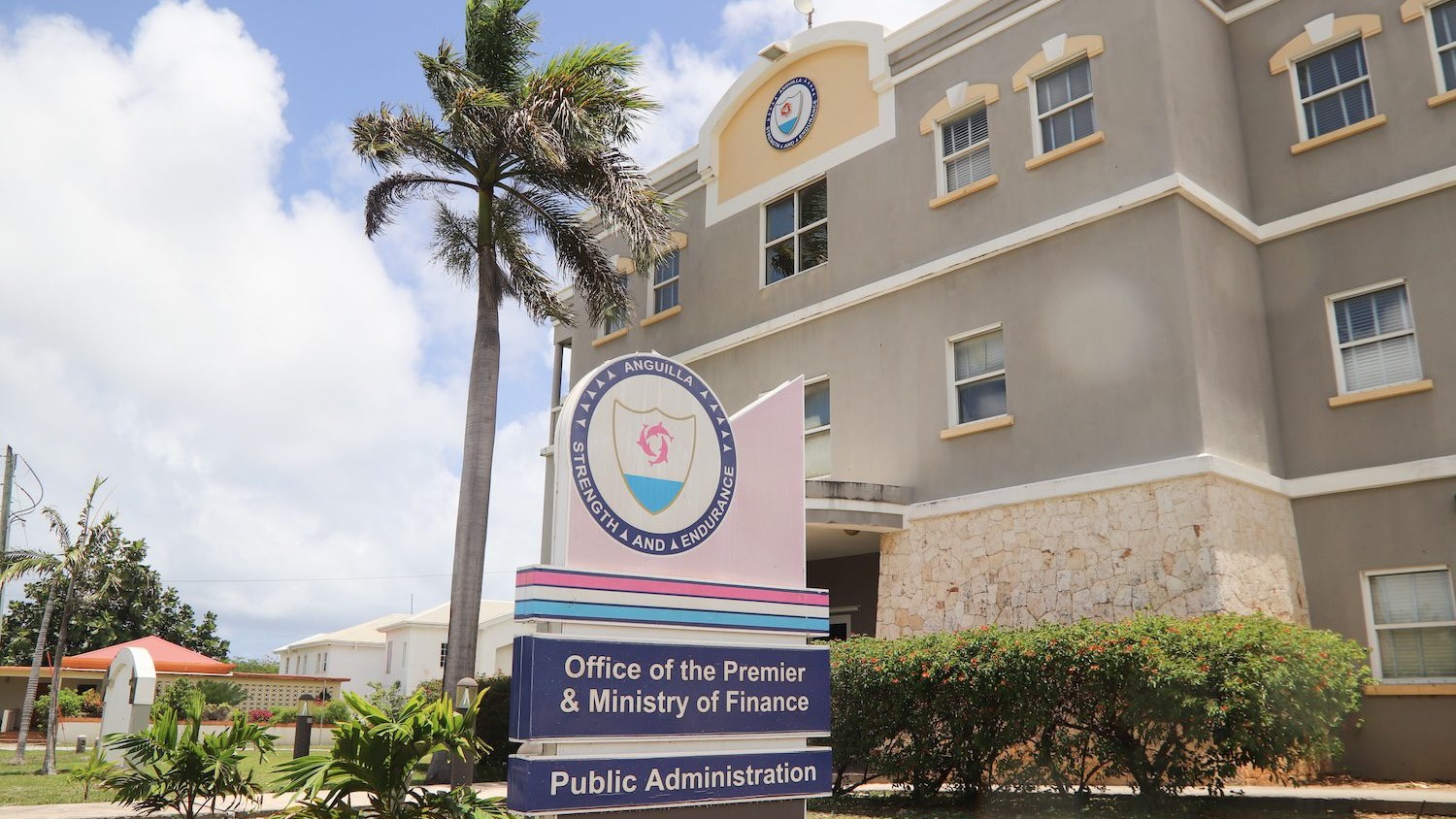
Anguilla is having the kind of political argument that only a territory with money can afford, which is a measure of how far its fortunes have turned. Opposition leader Ellis Webster described a EC$39.38 million supplementary budget increase as astronomical, according to Anguilla Focus on October 20, 2026, as the House debated how to allocate a surge of revenue that has made the small British Overseas Territory an unlikely fiscal standout.
The supplementary appropriation would raise revised 2026 expenditure from EC$657.63 million to roughly EC$697.01 million, the Anguilla Focus report said. The breakdown included EC$9.18 million for fuel surcharge relief, EC$2.4 million for overseas medical treatment, EC$16 million to buy the Cinnamon Reef property at Little Harbour from the investment arm of the Social Security Board, and EC$11.8 million toward permanent premises for a London office, to be known as Anguilla House, subject to due diligence. The House debate was held on October 13, 2026.
Where the money is coming from
The backdrop is the extraordinary revenue Anguilla now earns from its .ai internet domain, whose two-letter code happens to be the global shorthand for artificial intelligence. The territory earned EC$230 million, about $85.3 million, from .ai registrations in 2025, according to figures cited by Anguilla Focus. Separately, the Jamaica Gleaner reported on October 9, 2026 that .ai fees brought in EC$217 million, roughly $80 million, between January and July 2026, amounting to about 47.5% of all government revenue, with full-year domain fees projected at EC$253 million.

The government has moved to widen the franchise further. Anguilla approved 32 new internationalized .ai domain formats, in scripts including Arabic and Japanese, announced at a press conference on October 12, 2026 by Information Technology Minister Jose Vanterpool and reported by Anguilla Focus on October 15. By approving 32 different languages or typesets, Vanterpool said, the territory had expanded to 32 different markets. The domain has been managed by Identity Digital under a five-year agreement dating from October 2024.
Webster's objection
Webster was careful to say what he supported and what he did not. I cannot support this bill as it is written and presented, he said, according to Anguilla Focus. He backed the fuel-relief and overseas-medical lines but opposed the Cinnamon Reef purchase and the London-office spending, which he put at a combined EC$27.8 million, arguing the priorities were wrong. A state-of-the-art hospital and access to more medical services should be a higher priority, he said, adding that this is not the type of money that can be spent from the public purse overseas when there is so much need at home. Premier and Finance Minister Cora Richardson Hodge defended the bill.
Underneath the clash is a question that the Anguilla Focus reporting notes the budget document itself does not settle: what a territory should do when nearly half its revenue depends on a single, globally fashionable two-letter string. A local editorial on October 17, 2026 carried the headline that Anguilla must plan for a future beyond its .ai success, and the government has said a sovereign wealth fund, developed with IMF assistance, is in legislative drafting. For now, the debate is the healthy one. Anguilla is not arguing about scarcity. It is arguing about stewardship, which is the better problem to have, provided the island resolves it before the fashion that created the windfall moves on.
Read more at The Caribbean Ledger ›