Barbados says slower growth is a sign of strength, not weakness
Central Bank Governor Kevin Greenidge responded to an Afreximbank assessment by arguing the island is meeting economic risks from a far stronger position than in the past.
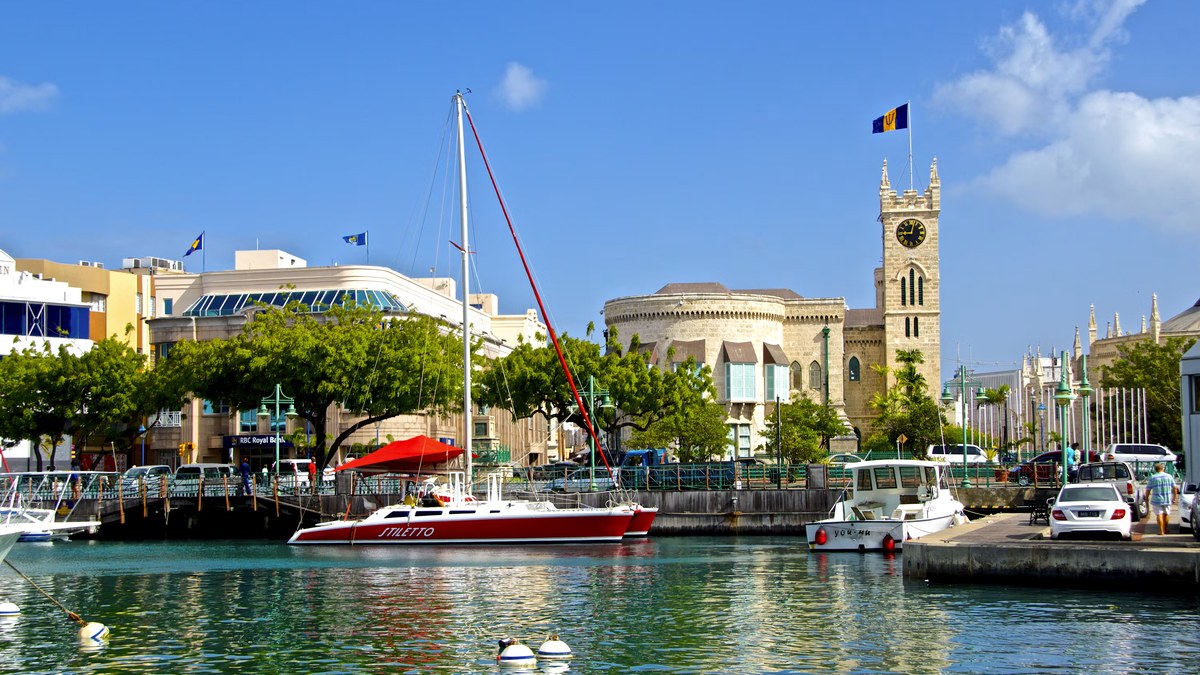
Barbados used a sober external assessment of its economy this week to make an unusual argument, which is that slowing growth should be read as resilience rather than trouble. Central Bank Governor Dr. Kevin Greenidge responded to Afreximbank's latest country assessment of the island, telling Barbados Today in a report published October 20, 2026 that Barbados is approaching economic risks from a much stronger position than in the past.
The numbers he was addressing are real enough. Growth is slowing to about 2% for 2026, with Afreximbank putting it at 1.9% and the Central Bank at roughly 2%, after the economy grew 1.4% in the first half of the year, according to Barbados Today. Public debt stood at 96% of gross domestic product at the end of March on Afreximbank's figure, with a more recent estimate of 93.7% at the end of June. Growth of around 2% should not be read as economic weakness or contraction, Greenidge said.

A program the island now owns
The governor's confidence rests on a fiscal framework that Barbados has been running for several years and has lately made its own. The current program targets a primary surplus of 3.5% of gross domestic product for the 2026/27 and 2027/28 fiscal years, rising toward 4.1%, with a goal of bringing debt down to 60% of gross domestic product by the 2035/36 fiscal year, Barbados Today reported. The island concluded an earlier IMF program successfully and describes its current effort, sometimes called BERT 2026, as a home-grown plan rather than one imposed from outside.
There is also a new insurance policy. Barbados has a $257 million IMF Stand-By Arrangement that Greenidge described as precautionary, a buffer rather than a lifeline. International reserves stood at about $3.1 billion. The reserves and the standby together are the cushion that lets a government argue that 2% growth is a controlled descent from a faster pace rather than a stall.
The tourism wrinkle
The one number that complicates the story is tourism, the island's engine. Tourism earnings rose 3.7% year on year in the first quarter of 2026 but fell below 2025 levels between April and June, leaving a first-half gain of only $10.9 million, according to the figures Barbados Today reported. That pattern, a strong start fading into a softer spring, echoes the regional moderation the Caribbean Tourism Organization described in its October 13 data, and it is the part of the Barbadian economy least within a central bank governor's control.
Independent voices largely agreed with the official read. Dr. Ankie Scott Joseph, an economist at the University of the West Indies, said Afreximbank's assessment closely matched the Central Bank's own projections, per Barbados Today. That alignment is itself part of Greenidge's point: when an external lender and the domestic monetary authority see the same path, the uncertainty premium falls, and a small open economy that has spent years rebuilding credibility gets to borrow and plan on better terms. Barbados is not claiming the risks have gone away. Afreximbank named them clearly. The claim is narrower and, on this week's evidence, defensible, which is that the island is better placed to absorb them than it has been in a long time, and that a 2% year reached on purpose is not the same as a 2% year suffered by accident.
Read more at The Caribbean Ledger ›