Guadeloupe is blocked and simmering, with Paris calling for calm
Road blockades over the cost of living have overlapped with a weeks-old high-school revolt, and the Overseas Minister has linked the unrest to Martinique's in an appeal for calm across the French Antilles.
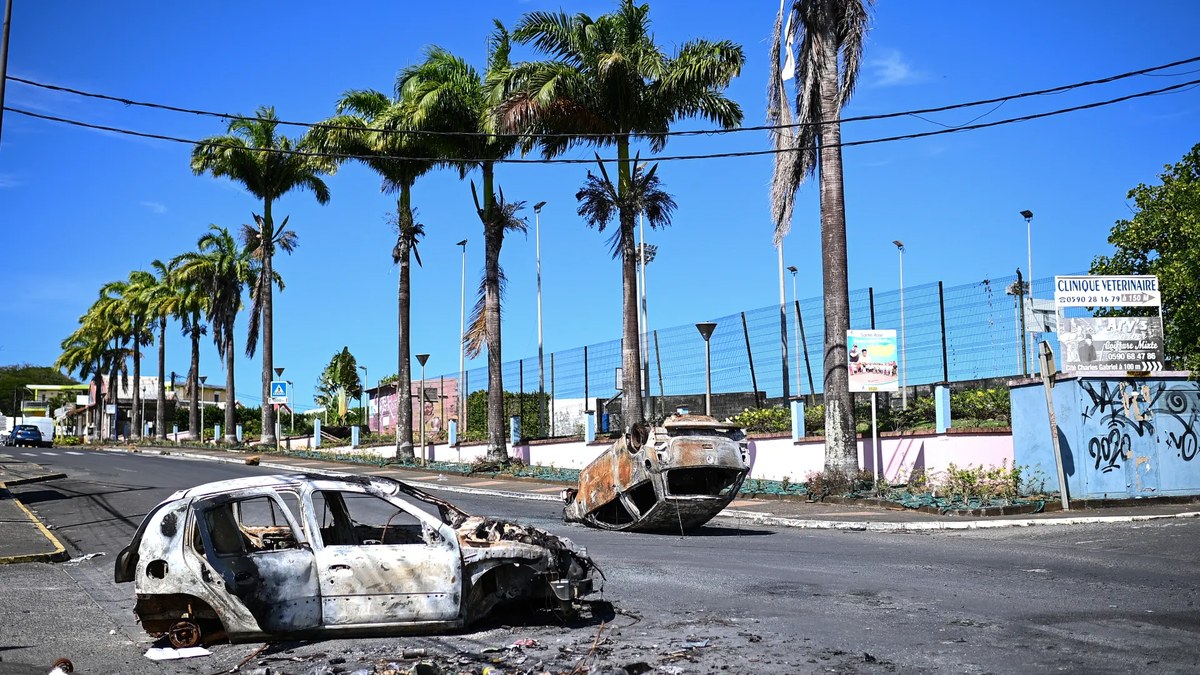
Guadeloupe spent the past week in a state of overlapping protest, with roadblocks over the cost of living running alongside a student revolt that has been building since the start of October. The combination has produced arrests, a prefect refusing to negotiate, and an appeal for calm from Paris that explicitly tied Guadeloupe's unrest to Martinique's.
The blockades are the work of a collective called Nou Las Palé, which translates roughly as we are tired of talking. On Wednesday, October 14, 2026, and in the days after, its members blocked roads across the territory, including rubble dumped to cut access to the Jarry industrial zone, the economic heart of Guadeloupe, according to Outremers360 on October 15, 2026. Prefect Thierry Devimeux refused to recognize the collective. One cannot accept that a minority of people block the economy of Guadeloupe, he said, adding that he did not recognize the legitimacy of the collective. A member of the group, Rudy Teissier, replied that the only response from the prefect is repression.
A relative calm, and a running count
By October 20, 2026, the situation had cooled somewhat. Thirteen people were arrested overnight on October 19 and 20 amid what RCI Guadeloupe described as relative calm, and a blockade at Moudong Nord on the RN1 highway was lifted, according to items on the broadcaster's site dated October 20. Overseas Minister Naima Moutchou issued a call for calm, citing the strong current tensions in Guadeloupe and in Martinique and drawing the two French Caribbean territories into a single frame.

Running beneath the blockades is a separate movement in the schools. A high-school revolt began on October 1, 2026 at the Lycee Gerville Reache in Les Abymes and spread within days to schools in Les Abymes, Sainte-Anne, Morne-a-l'Eau, and Petit-Bourg, according to cap-infos.fr on October 6, 2026. The grievances are physical and specific: classrooms reaching 30 degrees Celsius with no fans or air-conditioning, dilapidated buildings left unrenovated, and school days running from 7:00 in the morning to 5:00 in the evening. It is 30 degrees every day, one student told RCI. There are no fans, no air-conditioning. Teaching unions affiliated with the FSU cited staff shortages and overcrowding and filed a national strike notice.
The oversight questions
The student movement has drawn national scrutiny of how the authorities have responded. France's Defenseur des droits, the national rights ombudsman, had received 46 complaints tied to the student mobilization, including more than 12 linked to alleged police violence over October 17 and 18, and the national police inspectorate opened six investigations into that weekend, according to RCI Guadeloupe on October 20, 2026. That is the kind of accounting that turns a protest into a longer political problem, because it shifts the argument from the students' demands to the state's conduct.

The deeper grievance is the one Guadeloupe shares with Martinique and has aired for years: that life in the French Antilles simply costs too much, that shipping and distribution margins inflate the price of ordinary goods, and that promises of reform arrive and fade. Region president Ary Chalus and Department president Guy Losbar were reported to have jointly sought an urgent meeting with the prefect, a sign that the elected leadership wants a seat between the collective and the state. The chronic water crisis, long a symbol of institutional failure on the island, remains a live backdrop even though it was not this week's flashpoint. For now Guadeloupe is quieter than it was, but quiet secured by 13 arrests and a ministerial appeal is not the same as a grievance resolved, and the island's autumn is not over.
Read more at The Caribbean Ledger ›