The Dominican Republic banks its boom, and a milestone on hunger
Record investment and exports, a sharp fall in poverty, and formal recognition that the country has met its zero-hunger goal early. The boom now has to reach everyone.
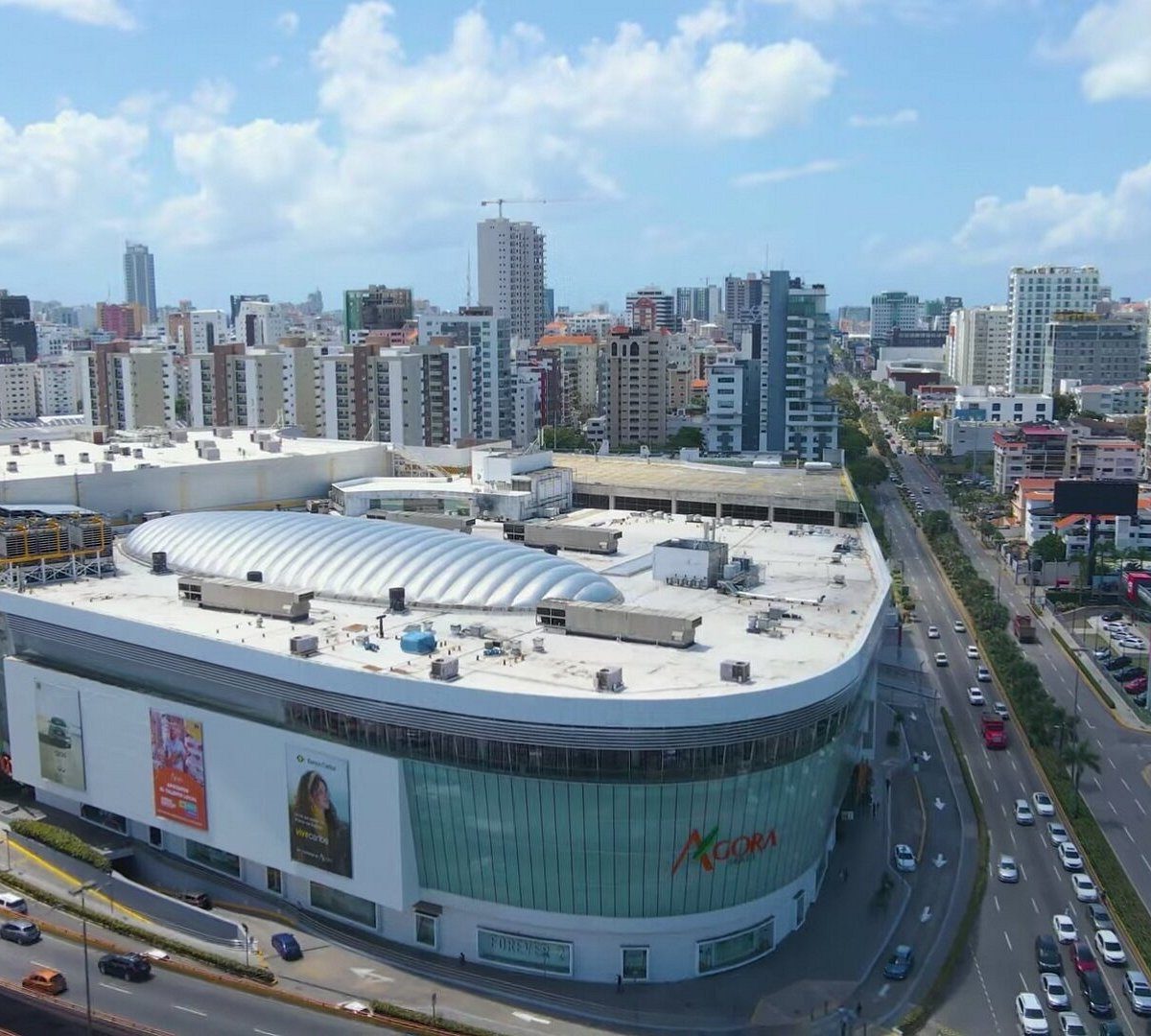
SANTO DOMINGO. The Dominican Republic has spent the autumn collecting evidence that its long economic run is reaching ordinary households, and in July it added an international seal to the claim. The Food and Agriculture Organization announced on July 21, 2026, at the Palacio Nacional in Santo Domingo, tied to its SOFI 2026 report, that the country had reached its zero-hunger target ahead of the 2028 goal set by the government of President Luis Abinader. A September 2025 FAO article had projected the goal “within two years.” President Luis Abinader cited the country's record in his address to the 81st United Nations General Assembly on September 23, 2026, as reported by Dominican Today.
The numbers behind the celebration describe a genuine expansion. Monetary poverty fell from around 26% in 2019 to 14.58% in the first half of 2026, according to Deputy Finance Minister Alexis Cruz. Foreign direct investment reached 5.03 billion US dollars in 2025, and ProDominicana calls 2025 the “fourth consecutive annual record.” ProDominicana reports record exports of 7.89 billion US dollars for the first half of 2026, up 14.8% from a year earlier. Tourism is projected to exceed 12 million visitors in 2026. These are the figures of a country that has turned stability into scale.
The hunger milestone is the one with the most human weight. Reaching a zero-hunger target two years ahead of the government's 2028 goal, and having it recognized by the FAO, is the kind of result that is easy to announce and hard to achieve.
The caution behind the celebration is distribution. A poverty rate that has fallen to 14.6% is a large achievement and still means roughly one in seven Dominicans below the line, and a tourism-and-investment boom concentrated on the coasts and the capital does not automatically reach the border provinces or the cane belt. The government's own framing, record exports and record investment alongside falling poverty, is an argument that the two are moving together. Whether they continue to is the test of the next phase, not the last one.

The engine under these numbers is diversification. The Dominican Republic has built its economy around tourism, free zones and manufacturing, which is why record arrivals and record exports can be announced in the same breath. The risk in any such run is that national averages outpace the provinces left behind, and the zero-hunger milestone is, in part, an answer to that charge. The next test is the border regions and the cane belt, where the averages mean least.
The Dominican Republic is also in talks with Venezuela over the region's fuel supply. The Dominican presidency confirms the Rome meeting of October 12, 2026, on direct purchases of LPG and AC-30 fuel. Those talks run alongside the Global Lens coverage in this edition. The task ahead is making the record reach the people whose names are not on it.
Sources: FAO, SOFI 2026 announcement at the Palacio Nacional, Santo Domingo (July 21, 2026), as reported by Diario Libre; Acento, FAO projection (September 2025); President Luis Abinader, address to the UN General Assembly (September 23, 2026), as reported by Dominican Today; Deputy Finance Minister Alexis Cruz, on monetary poverty (first half 2026); ProDominicana, exports for the first half of 2026 (July 14, 2026) and FDI for 2025; Acento, tourism projection (July 2, 2026); Dominican Republic presidency, account of the Rome meeting (October 12, 2026).
Read more at The Caribbean Ledger ›