Dominica opens the World Creole Music Festival, and braces for the crowds
The 27th edition brings Ne-Yo, Machel Montano and a star-studded lineup to Roseau, with police managing traffic and health officers watching the food stalls.
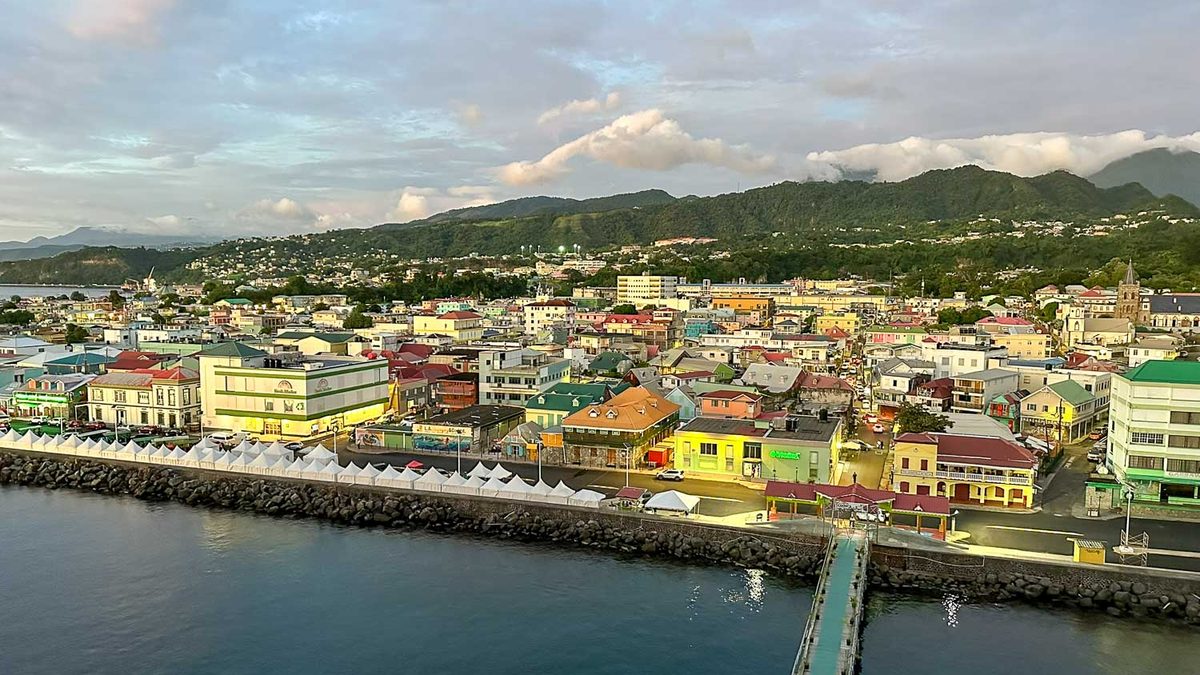
ROSEAU. Dominica turns itself over to music this weekend. The 27th World Creole Music Festival opens today, October 23, 2026, and runs through October 25 at Windsor Park Sports Stadium in Roseau, with a lineup that reaches well beyond the Creole heartland. The announced headliners include Ne-Yo, Machel Montano, Maxi Priest, Alkaline, Skillibeng, Uncle Waffles, Capleton and Fridayy, a roster that mixes North American rhythm and blues, Trinidadian soca, Jamaican dancehall and reggae, and Afrobeats, per the festival's August lineup announcement carried by Caribbean National Weekly.
For the small mountainous nation, the festival is the anchor of the tourism calendar, the three nights that fill hotels, guesthouses and flights and put Dominica's name in front of a regional audience. It is also three nights of logistics, and the authorities spent the final days before the gates opened preparing for the crowd rather than the concert.
The Commonwealth of Dominica Police Force issued a traffic advisory for the event, Dominica News Online reported on October 22, urging motorists to plan their journeys around the stadium. "Plan their journeys, observe traffic signs, follow the directions of police officers," the force's public relations officer, Pedrina Dupigny, advised drivers heading into Roseau for the three nights.
Environmental health officers, meanwhile, will inspect the vendors who feed the crowds, checking hygiene, food protection, temperature control, handwashing facilities, waste management and valid food-handler certification, Dominica News Online reported the same day. The senior environmental health officer, Calma Louis, put the responsibility on sellers and buyers alike. "Food safety is not simply a requirement of inspection; it is a shared responsibility," she said, adding a plain instruction for festivalgoers: "If food does not look or appear to have been handled safely, make the safe choice."
The caution is the part worth noticing. A festival on this scale is a public-health exercise as much as a cultural one, with thousands of people, open-air kitchens and long nights in a tropical climate. That the police are managing the roads and the health officers are checking the stalls days in advance is the sign of an event that has grown into a serious piece of national infrastructure, one Dominica has learned to run rather than simply host.

The reach of the lineup is part of the strategy. By pairing Creole and reggae traditions with globally streamed names in rhythm and blues, dancehall and Afrobeats, the festival casts a wider net than its name implies, drawing a younger regional and diaspora audience to an island better known for its rainforest than its nightlife. For a destination that competes with far larger neighbors for the same visitor, that programming is a marketing decision as much as a cultural one.
The payoff is the point. For an island still rebuilding resilience against the hurricanes that define its risk profile, a flagship festival that reliably draws visitors, diaspora and regional press is an economic asset, not merely a party. The music starts tonight in Roseau. The work of making sure the roads move and the food is safe started well before the first act took the stage, and that, as much as the lineup, is why the festival has reached its 27th year.
