Jamaica's market makes room: a resort group lines up to list as others head for the door
Margaritaville Caribbean plans a public share offering before year end, a vote of confidence in the Jamaica Stock Exchange even as larger names weigh leaving it.
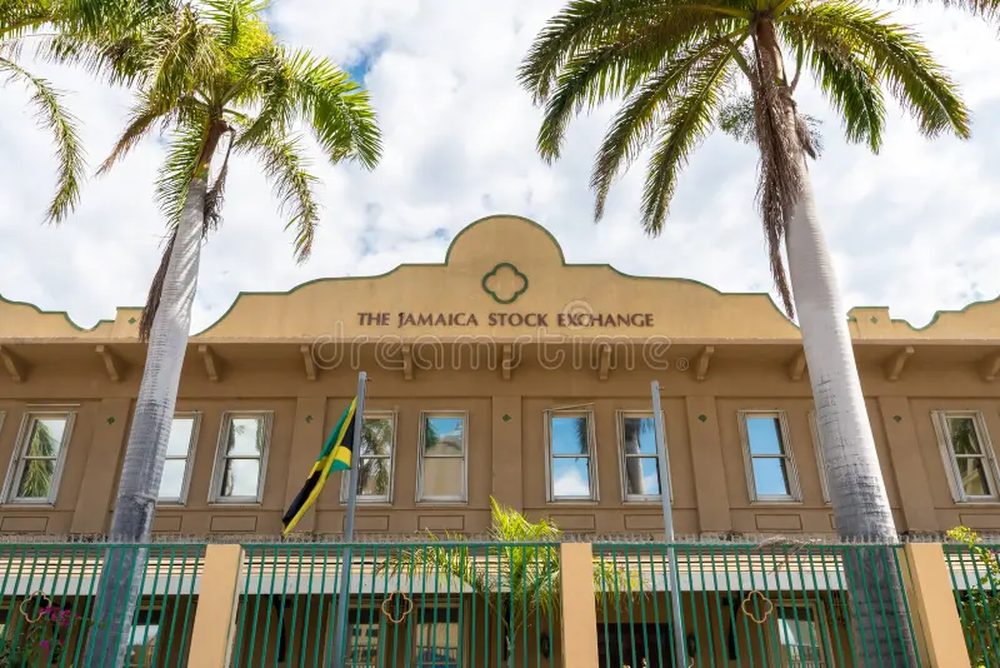
KINGSTON. The company that runs Jamaica's best-known beach bars wants the public to own a piece of them. Margaritaville Caribbean Group, operator of the Margaritaville venues at Montego Bay, Negril and Ocho Rios and of the Marguerites Seafood restaurant, plans a public share offering within roughly 90 days, the Jamaica Gleaner reported on October 20, 2026.
The size of the offer, the valuation it implies and the exchange on which the shares will trade were not disclosed, and the company said those details will appear in the prospectus. Mayberry Investments and JMMB Investments are advising on the transaction.
"We are especially pleased at the prospect of giving the public an opportunity" to become shareholders, the group's chairman, Ian Dear, told the Gleaner. The sentiment is familiar in Kingston, where a long run of initial public offerings has turned the Jamaica Stock Exchange into one of the region's more active small markets. A related company, Margaritaville Turks, has traded on the exchange since 2014, so the group knows the route it is proposing to take.

A listing in a market that cuts both ways
The timing is the interesting part. A resort and hospitality group choosing to list now is making a bet that Jamaican investors still have appetite for new paper, and that the tourism economy, battered a year ago by Hurricane Melissa and still rebuilding rooms, has a clear enough runway to sell. It is a bet on confidence, and confidence is the commodity a stock exchange actually trades.
It arrives, though, in a market that is also losing names. On October 14, 2026, minority holders of Scotia Group Jamaica voted to support a delisting, part of a pattern across the region of large, foreign-parented financial institutions choosing the privacy of a parent balance sheet over the scrutiny of a public float. An exchange is healthy not when nobody leaves, but when more arrive than depart, and when the arrivals are varied. A hospitality group listing while a bank delists is the ordinary churn of a functioning market, not a verdict on it.
The earnings underneath the headline
Beneath the listing news, the companies already on the exchange are reporting the kind of numbers that make new investors pay attention. Caribbean Cream, the maker of the Kremi ice cream brand, swung from a loss to a sharp profit in its latest half year, the Gleaner reported on October 21, 2026. Net profit for the quarter ended in August reached 69.1 million Jamaican dollars, against 4.2 million a year earlier.

For the six months, the company earned 113.8 million dollars, reversing a 9.4 million dollar loss in the comparable period, with earnings per share of 30 cents against a 2 cent loss. Quarterly revenue rose 8% to 891 million dollars, and half-year revenue climbed 9% to 1.78 billion dollars.
The company credited an unlikely ally: the heat. "The summer heat didn't have much of an effect on business," the managing director and chief executive, Christopher Clarke, told the Gleaner, pointing to roughly 50 million dollars invested in a well for the firm's Kingston factory, which needs about 35,000 gallons of water a day. The Meteorological Service of Jamaica has said above-normal temperatures are expected from August 2026 through January 2027. An ice cream maker that solved its own water supply before a long, hot, dry stretch is the kind of operational detail that separates a good quarter from a lucky one.
The choice of advisers is itself a piece of information. Mayberry Investments and JMMB Investments are two of the Jamaican market's more active brokerage and investment houses, and their involvement signals a conventional, broker-led offering aimed at domestic retail and institutional money rather than an exotic structure. For a tourism and hospitality group, listing at home also ties the company's fortunes to the same Jamaican investing public that fills its restaurants, a neat alignment of customer and shareholder that Caribbean consumer brands have used before.

The wider test is the tourism economy the offering is betting on. A year after Hurricane Melissa, Jamaica is still counting rooms that have not reopened, and the pace of that recovery is the single biggest variable under a resort group's revenue. A company choosing to list into that uncertainty is, in effect, inviting the public to share both the upside of a rebound and the risk that it comes slowly. That is a fair bargain only if the prospectus is candid about the risk, which is one more reason the document, when it lands, will matter more than the announcement that preceded it.
Put the stories together and you have a portrait of a market doing its job. A hospitality group wants in. A bank is on its way out. An existing listed company is turning weather and capital spending into profit and telling shareholders how.
For the retail investor weighing the Margaritaville prospectus when it lands, the lesson is the one every market eventually teaches: read the numbers, not the brand. The brand sells the drink. The numbers decide the dividend.
Read more at The Caribbean Ledger ›