New York secures nearly $6 million from crypto promoters who targeted immigrant savers
Four promoters have agreed to settlements and permanent bans from the securities, commodities and cryptocurrency industries. The case shows how investment fraud travels through trusted community networks, and why the Caribbean diaspora should read it closely.
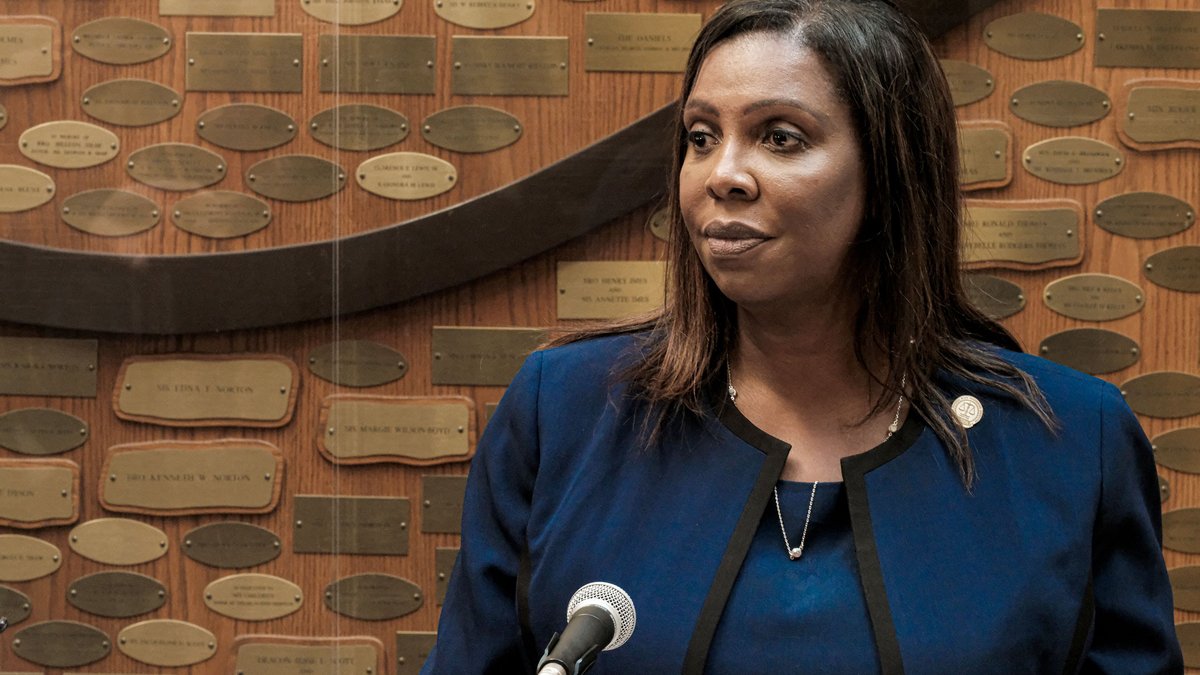
NEW YORK. New York Attorney General Letitia James has secured nearly $6 million in settlements from four promoters of cryptocurrency investment schemes that targeted Haitian and other immigrant communities, according to a report by The Haitian Times. As part of the agreements, the four individuals are permanently banned from working in the securities, commodities and cryptocurrency industries.
The settlements grow out of a 2024 lawsuit against two companies, NovaTechFx and AWS Mining. The Haitian Times reports that the fraudulent operations caused tens of millions of dollars in losses for more than 11,000 New Yorkers. When the attorney general filed that lawsuit in June 2024, the office put the alleged harm at more than $1 billion.
The pitch was built on trust. Reports on the lawsuit described schemes aimed at Haitian-Americans and at Christian immigrant communities, and a pyramid structure in which earlier investors are paid from the money of newer recruits.

Our read: investment fraud works best where people trust the messenger more than the product. A promoter who shares a language, a church, a social circle or a family network does not need a polished prospectus. He needs a credible story about returns and a few early payouts that appear to prove it.
For immigrant savers, who may have fewer chances to check a seller's license or ask an independent adviser, the risk is higher. That is not a failing of the victims. It is how these schemes are designed.
Why the Caribbean should care. Haiti is a Caribbean country, and its diaspora, like those from other islands, sends money home. Remittances from New York and other US cities support households, schools and small businesses across the region.

When a scheme takes savings from a diaspora community, the loss does not stay in New York. It reduces the money families at home rely on, and it erodes the trust that keeps remittance networks working.
What the settlement does and does not show. The bans are the clearest result: four people who sold these products are out of the market. The report does not say how the nearly $6 million will be divided, how much will reach victims, or how it compares with the losses the state alleged.

Those numbers matter. A settlement that returns a small share of alleged losses tells a different story from one that makes most people whole.
What a reader can do. Before putting money into any investment, check whether the seller and the product are registered with the relevant regulator, including the Securities and Exchange Commission, the Commodity Futures Trading Commission, and state regulators such as New York's Department of Financial Services. Be cautious of guaranteed returns, pressure to recruit others, and payouts that arrive quickly. This is general information, not personal financial advice.
What to watch. Watch whether the attorney general's office publishes its own release on the four settlements, whether the remaining defendants in the 2024 case settle, and whether restitution reaches the people who lost money. For Caribbean readers, the next question is how many savers in the region's own communities have been approached by similar pitches, and whether regulators at home are watching.
Read more at The Caribbean Ledger ›