The lights go out again on St. Thomas and St. John as a $250 million rescue is floated
A districtwide blackout, then a second after partial restoration, collided with the governor's bond plan to shore up the power utility, hospitals and waste.
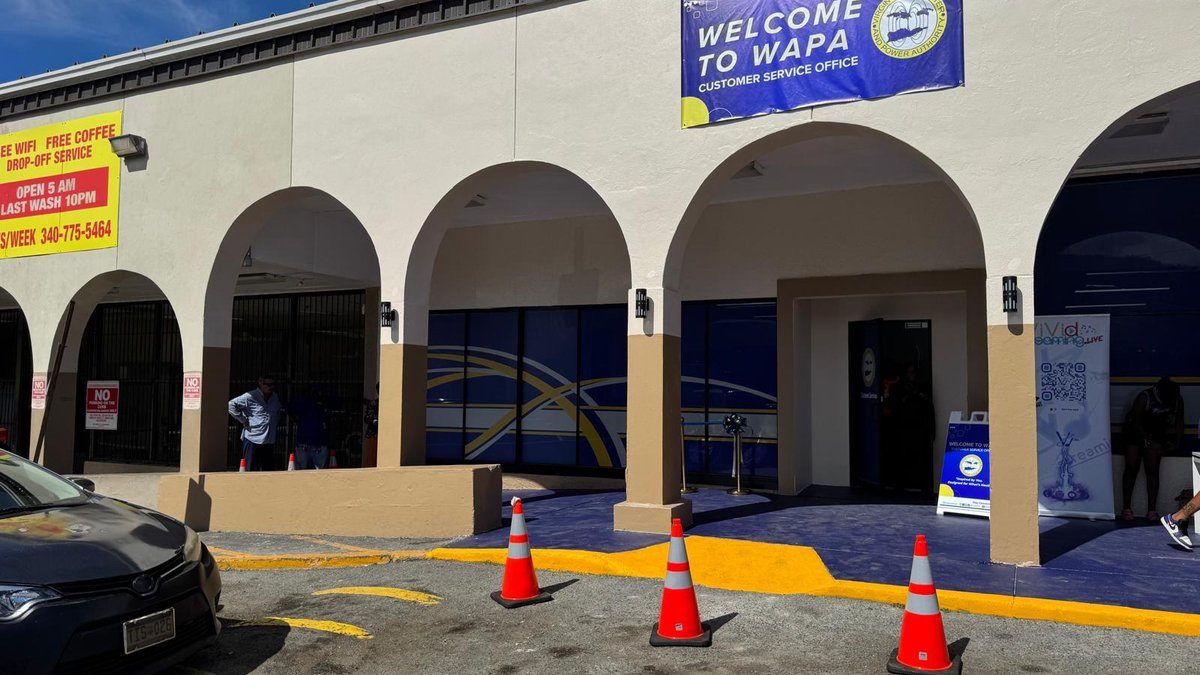
ST. THOMAS. The United States Virgin Islands spent another night in the dark this week, and the timing could hardly have been sharper. A districtwide blackout hit St. Thomas and St. John on the evening of Wednesday, October 21, 2026, the Virgin Islands Consortium reported, with the Water and Power Authority issuing its first alert at 7:43 p.m. and citing a loss of generation at the Randolph Harley Power Plant that affected all customers in the district.
The utility, known as WAPA, managed a partial recovery and then lost it. By 10:10 p.m. it had restored several feeders, serving parts of both islands, according to the Consortium. But at 2:21 a.m. on Thursday, October 22, a new alert reported that all customers on both islands were out again, with no cause and no restoration timeline given. The disruption rolled into the morning, delaying the opening of public schools and education offices on the two islands until 9 a.m.

"WAPA Plant Personnel are working to quickly and safely restore power to impacted customers," the utility said in its outage notice, as reported by the Consortium. No individual official was named. The language was the language of a utility that has issued many such notices, on islands where the reliability of electricity has become a chronic fact of life rather than an occasional failure. Days earlier, the Consortium reported, WAPA had warned that further rotations of power were possible as generator repairs stretch into 2027.
Into that pattern has come a rescue plan. Governor Albert Bryan Jr. has proposed a 250 million dollar bond package, the Consortium reported on October 19, with 40 million dollars directed to WAPA, 85 million to hospitals and 40 million to the Waste Management Authority, backed by gross-receipts tax revenue and conditioned on each entity producing a five-year sustainability plan. The structure is an admission as much as a remedy: the territory's essential public corporations, power, health and waste, are all in need of capital at once.
A bond is borrowing, and borrowing against future gross-receipts taxes to patch present failures is a bet that the five-year plans will actually turn these corporations around rather than simply buy time. For WAPA in particular, the deeper problem is generation that keeps failing, and 40 million dollars is a down payment against a rebuild, not the rebuild itself. The warning that repairs will run into 2027 suggests the blackouts are not nearly over.

For residents of St. Thomas and St. John, the policy debate is abstract next to a second blackout before dawn. The Consortium also reported this week that the territory's homicide count for 2026 had climbed to 42, a separate strain on a small jurisdiction already stretched. The lights, the hospitals, the waste and the crime rate are, in the end, the same story told in different ledgers: a territory whose basic systems need more money than it has, and a governor asking the bond market to bridge the gap. The power, for now, comes and goes.
Read more at The Caribbean Ledger ›