Grounded: Holness freezes official overseas travel until March as Melissa bills come due
A memorandum from the prime minister halts government overseas travel immediately and through March 31, 2027, citing the fiscal strain of Hurricane Melissa. The opposition wants to know whether it saves real money or buys good optics.
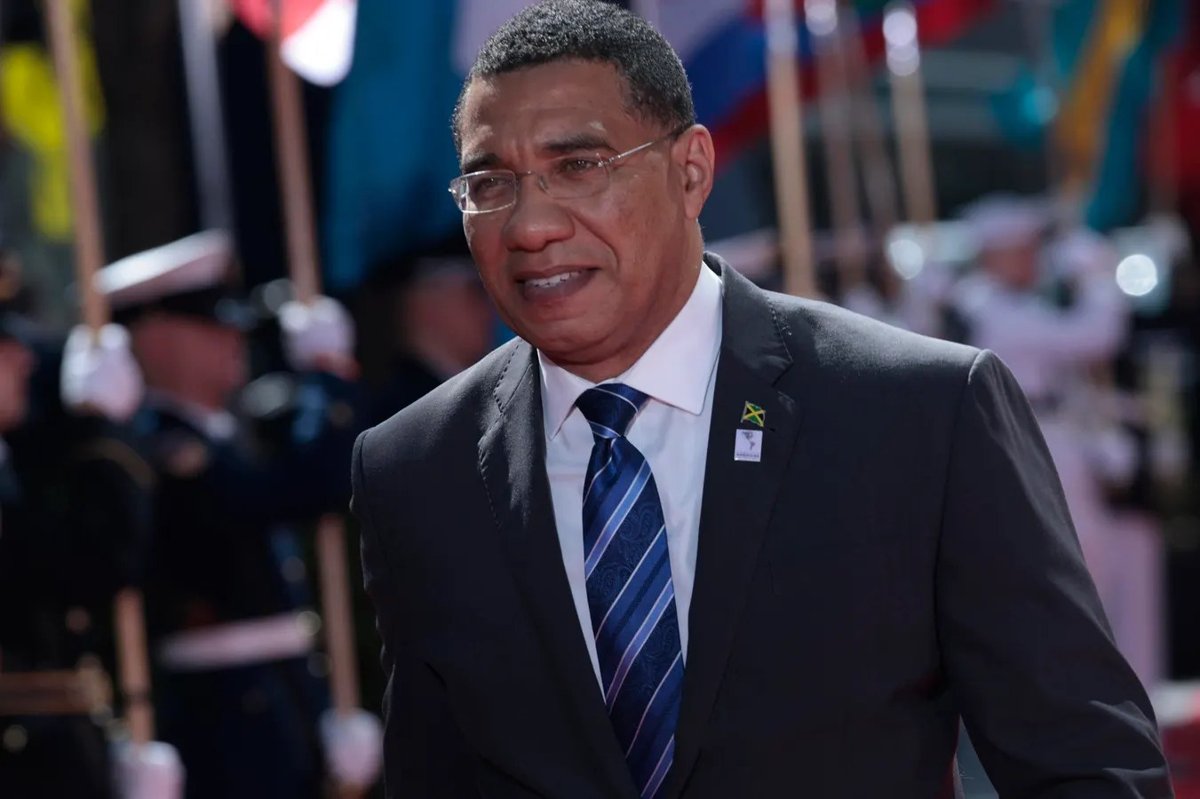
KINGSTON. Prime Minister Andrew Holness has grounded the Jamaican government. In a memorandum issued on October 21, 2026, and reported by the Jamaica Gleaner on October 24 under the one-word headline "Grounded" and by the Jamaica Observer a day earlier, Holness imposed a moratorium on official overseas travel that took effect immediately and runs until March 31, 2027. The order reaches well beyond the cabinet.
It covers ministers and ministers of state, permanent secretaries, heads of agencies, public-sector employees, and board members, and it applies even to trips funded by outside organizations. Previously approved travel must be reviewed.
The moratorium is not absolute. The memorandum allows limited exemptions for Hurricane Melissa reconstruction, national security, standing bilateral and multilateral engagements, essential tourism promotion, and emergencies. An official who wants to travel must submit a written justification that states the number of travelers, the estimated cost, and the expected outcome, and it must reach the Office of the Prime Minister at least seven business days before departure. Where a trip can be avoided altogether, the government is pushing officials toward virtual meetings instead.

The reason is the storm. "The unprecedented destruction caused by Hurricane Melissa has placed significant demands on Jamaica's fiscal resources," Holness said in the memorandum, calling it imperative that the government "exercises the highest degree of fiscal discipline" at this juncture. The Gleaner noted that millions of dollars have already been committed to the National Agency for Reconstruction and Resilience, the body standing up Jamaica's recovery, though the memorandum attached no projected savings figure to the travel freeze itself. For a country that spent a decade rebuilding its credibility on fiscal restraint and falling debt, a visible act of belt-tightening carries a message as much as a number.
The opposition is unconvinced that the message and the math line up. Julian Robinson, the People's National Party spokesman on finance, questioned whether the ban is a genuine cost-control measure or "whether it is more from a PR perspective," according to the Gleaner. He pressed for the expected savings to be disclosed and for a full accounting of the reconstruction agency's spending, including its office space and salaries, and he questioned the logic of restricting externally sponsored trips at a moment when Jamaica needs international recovery partners more than ever. The government, without a named spokesman in the Gleaner's account, dismissed the criticism late the previous day as "superficial, shallow and misguided." The Gleaner also reported, in a companion piece, that at least one minister was traveling even as the freeze took hold, the kind of early test that will decide whether the exemptions are a narrow door or a wide one.
The politics of austerity are always partly theater, and a travel ban is among the most legible gestures a government can make when it wants the public to see restraint. Whether it amounts to real savings depends on numbers Jamaica has not yet published and on how tightly the Office of the Prime Minister polices its own exemptions over the next five months. What is not in dispute is the pressure behind it. Melissa has handed Jamaica a reconstruction bill large enough that the government would rather its ministers be seen at home paying it than abroad explaining it.
