Lee-Chin's Portland JSX books its worst-ever loss as the fund runs past its own deadline
The listed private equity vehicle posted a US$9.4 million annual loss, its largest since inception, after steep write-downs. With its parent fund past its final contractual extension, what happens next is still undecided.
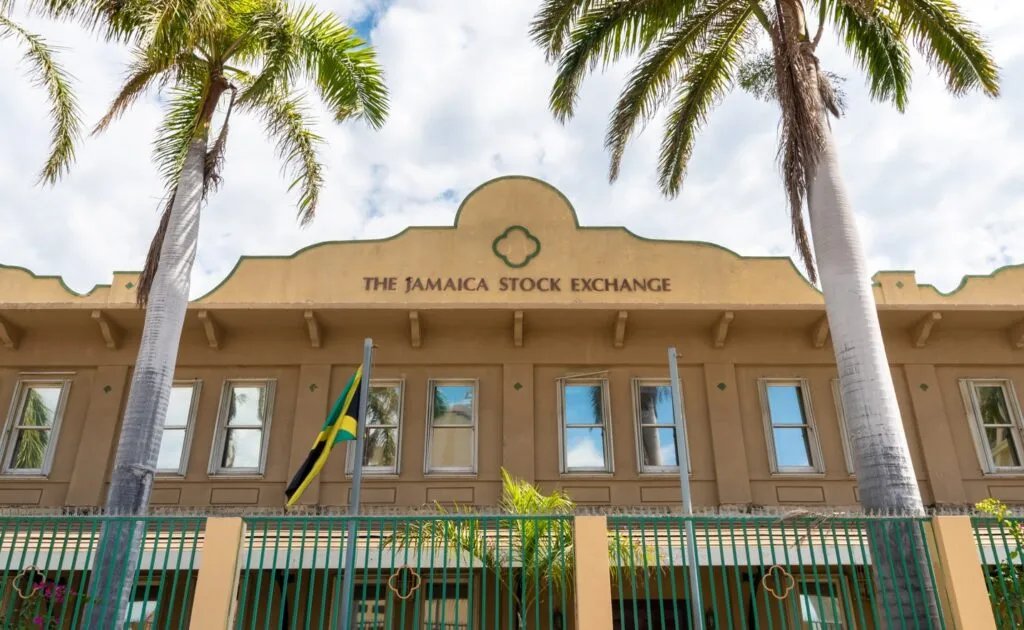
KINGSTON. Portland JSX Limited, the Jamaica Stock Exchange-listed private equity vehicle tied to businessman Michael Lee-Chin, has reported a net loss of US$9.4 million for its February year-end, the largest annual loss since the fund began, the Jamaica Gleaner reported on October 23, 2026. The figure, corroborated by the business outlet Billionaires.Africa the same day, was more than double the prior year's loss. "The valuation of assets reflects market and company-specific conditions at the time of the valuation of the fund," chairman Ricardo Hutchinson said, in remarks published by the Gleaner.
Portland JSX is an unusual instrument with an ordinary problem. Launched in 2015, it mirrors the larger Portland Caribbean Fund II, managed by Portland Private Equity, and it exists to give Jamaican pension funds and smaller investors a door into overseas private equity that pension rules would otherwise keep shut. That door now opens onto a portfolio marked down hard. Fair-value losses on the fund's financial investments reached US$8.3 million, up from US$3.2 million a year earlier, while interest income of about US$227,000 was little changed and operating expenses topped US$1 million.
Two holdings took the heaviest blows: Outsourcing Management, which trades as itel, and the Colombian grocery-delivery platform Merqueo were each written down to a single US dollar on the fund's books.

The backdrop is the same one squeezing private equity everywhere. Higher interest rates in the United States and the Caribbean have dulled the appeal of higher-risk, illiquid investments and pulled down the valuations of the private companies such funds hold. For a vehicle that sold Jamaican savers on access to that asset class, the reversal is a hard lesson in why the access was restricted in the first place.
The larger question is what happens to the fund at all. Portland Caribbean Fund II concluded its second one-year extension on July 14, 2026, and has now run past its final contractual extension period. Discussions between Portland Private Equity and Portland JSX about the fund's finality and the disposal of its remaining assets are ongoing, and, the Gleaner reported, "no final decision has been made at this time." Hutchinson said "all options are open," from further extensions to asset sales, distributions, or alternative structures. There has been some movement: since the year-end the fund sold an undisclosed holding and took a US$1.3 million cash distribution, received equity securities in kind, and bought about US$2.15 million more, while repaying J$200 million of bond principal to one bondholder and opening talks to extend the bond's maturity.
Last year Portland abandoned a planned third fund after raising roughly US$100 million, about a third of its target.
For the Ledger's readers the signal matters more than the single number. A loss in one fund is a loss in one fund. But Portland JSX was sold as a way for ordinary Jamaican capital to ride the returns of a celebrated financier's private-equity machine, and the machine has spent two years in reverse. The fund was suspended from trading earlier this year when its audited accounts ran months overdue, and it now reports its worst result while its parent vehicle sits past its own expiry date with no decision on wind-down.
Whether patient investors are rewarded or simply kept waiting is, for now, genuinely unclear, which is the one thing the fund and its critics agree on.
Read more at The Caribbean Ledger ›