Machado comes home, and the Caribbean's hardest year looks for an exit
The opposition leader's return and a halting reconciliation track hint at a political path in Caracas. For a region that absorbed the cost of the military one, the question is what peace next door would actually mean.
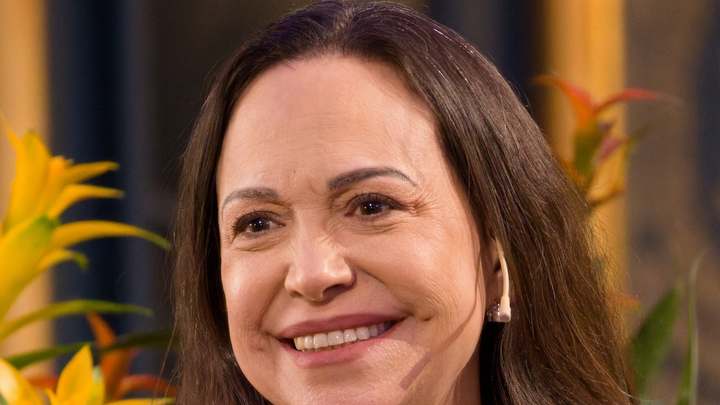
VENEZUELA. On October 25, 2026, María Corina Machado walked back into Venezuela after roughly ten months in exile, appearing at a church in Lara state and telling supporters, on social media, “I'm here with you,” as reported by The National and confirmed on the Associated Press wire carried by the Manila Times on October 26. For a figure who spent the past year as the symbol of Venezuela's thwarted opposition, the return was its own kind of statement. For the Caribbean, it is the clearest sign yet that the crisis next door may be entering a political phase, after a year defined by a military one.
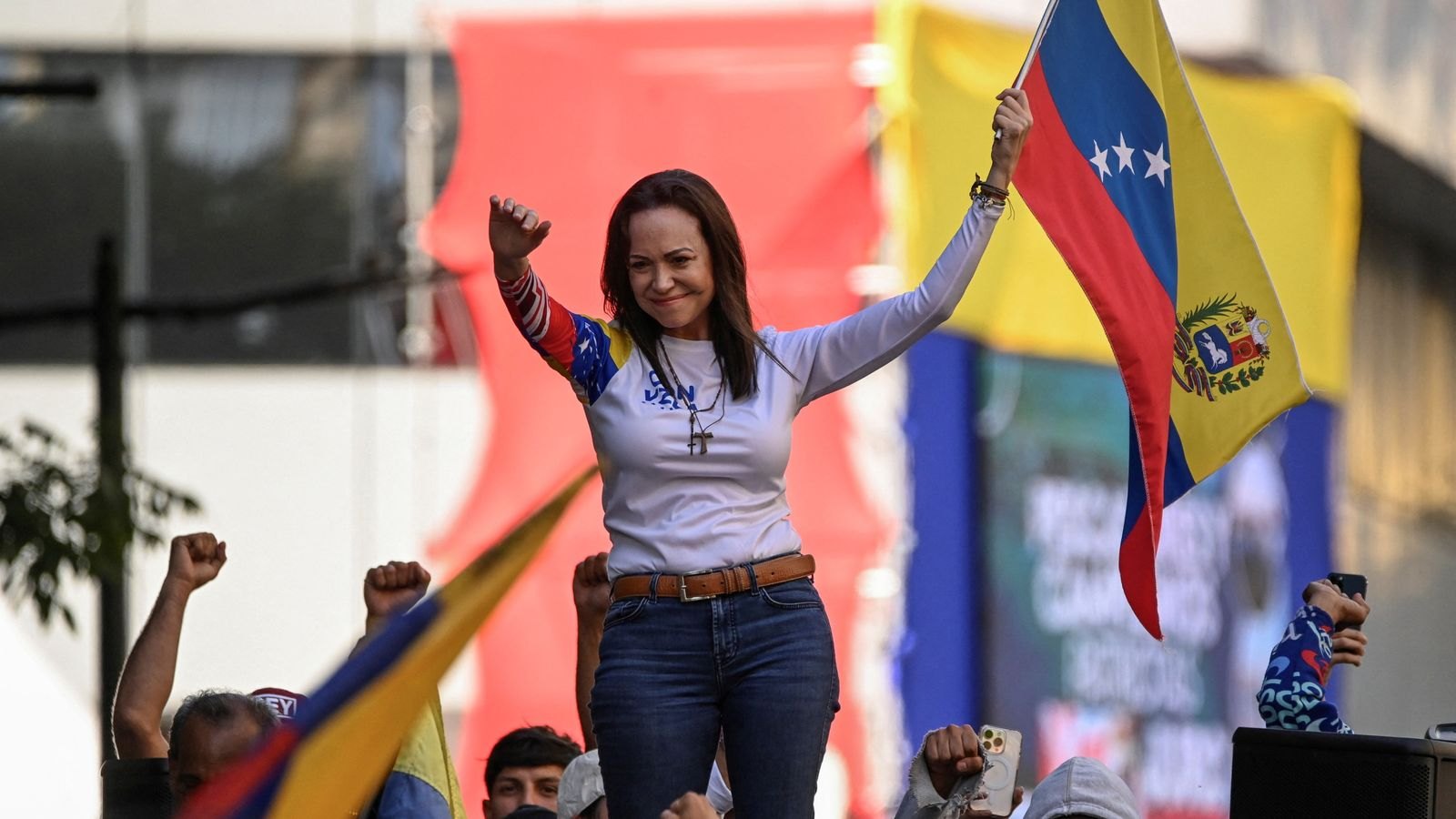
The backdrop is a reconciliation process that Washington has been quietly shepherding. The US State Department welcomed the conclusion of a third round of political reconciliation talks on October 22, with spokesman Thomas Pigott pointing to more than 1,000 political prisoners released since what the administration calls “Operation Absolute Resolve,” more than 70 blocked websites restored, and a meeting between Secretary of State Marco Rubio and opposition figure Dinorah Figuera on October 9. Thousands marched in Caracas and other cities on October 22 demanding elections and further releases, in what Reuters described as the first nationwide opposition protest in about two years, per TIME's October 23 account. No election date has been set.
Washington's tally of the reconciliation track is specific. The State Department pointed to the selection of 32 new Supreme Court judges under way and to Rubio's October 9 meeting with Figuera as evidence of movement, alongside the prisoner releases and restored websites. Caracas sent its own signals. Vice President Delcy Rodriguez, quoted by El Pais on October 23, said she recognized “the good Venezuelans who, through this dialogue, are promoting necessary changes.” Whether these are the first steps of a transition or the choreography of a government buying time is the question no dated fact can yet answer.
It is worth being precise about what has and has not happened. Machado's return and a set of confidence-building measures are real and dated. A settled transition, a timetable, a vote, is not. The region has learned to hold both thoughts at once, because it has paid for the alternative.
The bill the region already paid
This newspaper has spent the past year chronicling the cost of the military track: the sustained US strike campaign against alleged drug vessels in and around Caribbean waters, the death toll that climbed past 230 by the counts we have cited, the capture of Nicolas Maduro in January 2026, and the lawsuit brought in Boston by Trinidadian families who say their relatives were among the dead. Trinidad and Tobago, closest of all, spent the year caught between a patron in Washington and its own grief. The Zone of Peace, CARICOM's founding idea that the Caribbean should be kept free of great-power conflict, was tested to breaking.
A political path in Caracas, if it holds, would begin to change that calculus. The stated rationale for the pressure campaign has been drugs and a contested presidency. Genuine reconciliation and a credible vote would remove much of the argument for keeping warships off the region's coast, and for treating the southern Caribbean as a theater rather than a neighborhood. That is the first dividend the region would want: a quieter sea.
Three things the Caribbean is watching
The first is migration. Venezuela's collapse pushed hundreds of thousands of its citizens into Trinidad, Guyana, Curacao, Aruba, the Dominican Republic, and beyond, straining small labor markets and public services and testing the region's generosity. A stable Venezuela is the only durable answer to that pressure. A false dawn that sends people home too soon, into conditions that have not actually changed, would be its own cruelty.
The second is energy. The long-dormant promise of Venezuelan gas, the Dragon field that Trinidad has eyed for years to feed its underused LNG plants, becomes conceivable again only in a Venezuela that can sign contracts the world will honor. Guyana, meanwhile, watches with a sharper interest: the Essequibo border claim does not vanish because Caracas changes its tone, and a government seeking legitimacy at home can be tempted to find enemies abroad.
The third is precedent. The year's campaign established, in practice, that a major power would use force in Caribbean waters and present the region with the result. Whatever one thinks of the target, that is a fact the Caribbean now has to govern around. A political settlement in Venezuela would not undo the precedent.
It would, at best, close the particular chapter that created it, and give CARICOM room to insist, with more than hope behind it, that the next dispute in its waters be settled by other means.
Machado's homecoming is not peace. It is the possibility of a different argument, conducted with ballots rather than ordnance. The Caribbean has every reason to want that argument to succeed, and every reason, after this year, to withhold its celebration until the vote is set, the warships thin, and the people who fled have somewhere safe to return to.
Read more at The Caribbean Ledger ›