A safety net for development banks, built before the storm
The Caribbean Development Bank has designed a capital tool that lets development lenders keep working when shocks arrive, rather than scrambling after them.
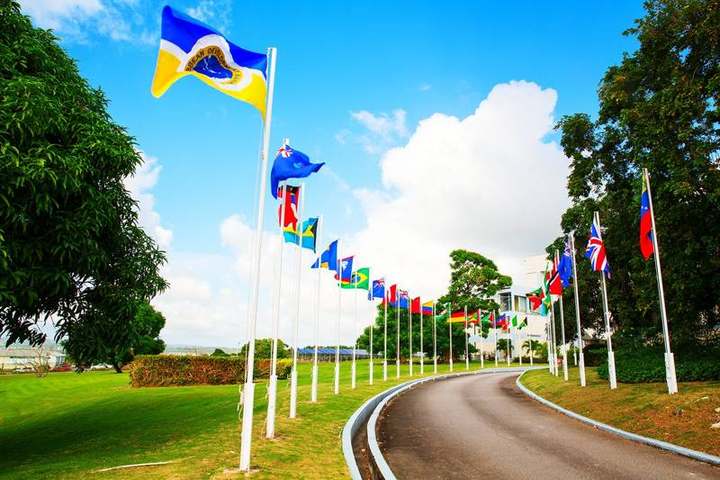
BRIDGETOWN. Every Caribbean government knows the rhythm of a bad season. A hurricane arrives, a commodity price drops, or a climate shock hits a tourism economy, and the first question is always the same: who can lend money quickly, and at what cost? The answer depends on institutions most people never think about, the multilateral development banks that finance roads, water systems, schools and power grids across the region.
On October 14, 2026, in Bridgetown, the Caribbean Development Bank, known as CDB, announced a new solution to expand development financing and strengthen crisis response. The tool is called the Contingent Capacity Facility, or CCF. It sits in an area of finance that rarely makes headlines but shapes how much money development banks can put to work.
The idea starts with a constraint every development bank lives with. A lender can only lend as much as its capital base allows. Regulators and rating agencies want a cushion, so that a bank can absorb losses and keep its credit standing. That cushion is a discipline, but it can also limit lending when countries need it most.
The CCF offers a way around that trap without weakening the bank. In plain terms, a shareholder government agrees in advance to provide capital to the development bank if specified stress conditions are met. Because the support is arranged beforehand, the bank can count on it, and that gives it room to expand lending within its existing capital base.
The concept was set out in a CDB working paper, titled *From Concept to Contract: Contingent Capital Facilities and the G20 Reform of MDB Capital Adequacy Frameworks*. CDB presented the paper on October 14, 2026 in Bangkok, on the margins of the annual meetings of the International Monetary Fund and the World Bank. The paper covers how such a facility would work and includes template legal agreements that other institutions can adapt.
The work was developed with support from the Children's Investment Fund Foundation, with design partners Cantium, Ardhill Advisory and Linklaters. Daniel M. Best is CDB's President.
For readers, the point is not only about a new financial instrument. It is about how the region's development money is built. The question now is whether the Contingent Capacity Facility moves from working paper to signed contract, and how quickly. The release does not say when a first facility will be signed, and this piece will not guess.
Sources: Caribbean Development Bank, "CDB Advances New Solution to Expand Development Financing and Strengthen Crisis Response," October 14, 2026, Bridgetown, Barbados (caribank.org). CDB working paper, "From Concept to Contract: Contingent Capital Facilities and the G20 Reform of MDB Capital Adequacy Frameworks," presented October 14, 2026, Bangkok.
Read more at The Caribbean Ledger ›