The money after the whistle: why athlete wealth management is crowded, and where it still fails
Athletes earn more, earlier, than most clients ever will. A courtroom dispute involving former NBA player Paul Pierce shows how quickly those earnings can become a public argument.
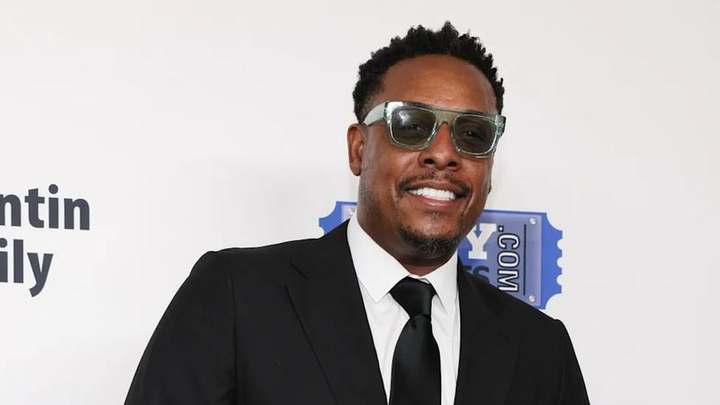
NEW YORK. Professional athletes earn large sums over a short career, and the industry that wants to manage that money has grown with them. Banks, brokerages, family offices and boutique firms all now run sports divisions. Their pitch is the same: athletes are young, wealthy and short of time, and they need someone to make the money last.
Advisers who work with them describe the problem in similar terms. Molly Cloud, a financial adviser and director of sports and entertainment at Morgan Stanley, has said, "There is so much money that wasn't around 10 years ago." Stacie Jacobsen of Bernstein Private Wealth Management has put the risk plainly: athletes are "earning more at a younger age than they ever will during the rest of their life." James Beale of Rockefeller Capital Management has noted that athletes "put 99% of their time into taking care of their body, managing their health and training," which leaves little room for money decisions.

The industry's own history shows the gap. A 2015 report on athlete clients cited Mark Castell of HPM Partners, who said, "Everyone wants to get their hands on athletes' money and sell them something." That same report noted that many athletes retire without lasting wealth. It said a US$1 million annual salary over a five-year career may leave about US$1 million after taxes and spending, which an adviser said is generally not enough to live on for life. It also said Jack Nicklaus nearly went bankrupt in the mid-1980s, and that Antoine Walker spent more than US$110 million before filing for bankruptcy in 2012.
Fraud is a separate risk. An EY report from 2021, cited in an NBC News feature on the sector, found that professional athletes lost nearly US$600 million to fraud between 2004 and 2019. The same feature described how US$16 million disappeared from Shohei Ohtani's accounts, and that his interpreter later pleaded guilty to stealing the money to cover gambling losses.
The Pierce dispute shows how a public record can turn private planning into a headline. In a child support case filed in 2026, former partner Princess Santiago sought US$29,811 a month in child support and US$100,000 for legal fees, according to filings reported by TMZ on July 31, 2026. Pierce proposed paying about US$4,145 a month, according to the same reporting and to Fadeaway World's August 1, 2026 account. He said he has been paying US$5,000 a month voluntarily.
He said his 2025 income was US$1.5 million, much of it from Fox Sports payments that end in September 2026. Those income figures come from his court filing, and TMZ reports that they are his own figures. Pierce says Santiago earns more than US$400,000 a year, which contradicts her claim of limited resources.
The reporting also includes a claim this piece cannot confirm. A TMZ Sports Instagram post described Pierce as "drowning financially" and struggling to pay monthly bills. The court coverage we reviewed does not use those words, and we could not find the reporting behind the post. This piece therefore does not assess Pierce's finances.
The dispute is between two parties in a court case, and both sides' figures are contested.
What the industry offers in response is a set of practices rather than a product. Advisers describe education as a core service, because many athletes come from families without a background in money. They describe restraint on large purchases, careful checks on investments pitched by friends and relatives, and planning for careers that can end without warning. Several advisers also say athletes overestimate their own investing skill, particularly in real estate.
The industry's statistics are older than the current wave of earnings. A 2011 report on the sector cited Sports Illustrated's estimate that nearly 80 percent of former NFL players were under financial stress within two years of retirement, and a figure that about 60 percent of former pro basketball players go bankrupt within five years of retiring. Those figures are widely repeated but predate the current contract and endorsement boom, and the Ledger has not re-verified them against a primary source.
For the Ledger's readers, the lesson is that the athletes who need planning most are often the ones the industry courts least. The large, public cases are the ones that make the news. The quieter problem is the athlete with a modest contract who retires into a changed financial life. Whether the sector's new sports divisions serve that athlete, or only the largest contracts, is the question the industry has yet to answer in public.
Sources: TMZ, reporting on the child support dispute between Paul Pierce and Princess Santiago, July 31, 2026 (updated September 2, 2026) (tmz.com). Fadeaway World, report on Pierce's response, August 1, 2026 (fadeawayworld.net). TMZ Sports, Instagram post on Pierce, 2026 (not verified; the underlying reporting was not available). Wealth Management, "Working With Pro Athletes: Dream Clients Can Also Be a Nightmare," Charles Paikert, October 4, 2011 (wealthmanagement.com).
Wealth Management, Dan Weil, June 17, 2015. NBC News, feature on athlete wealth management and fraud, undated in the text reviewed. Morgan Stanley, Bernstein Private Wealth Management and Rockefeller Capital Management advisers, as quoted in the NBC News feature.
Read more at The Caribbean Ledger ›