The bank that went private, and the question it leaves behind
Scotiabank's buyout of its Jamaican subsidiary is a story about capital, confidence and a banker coming home.
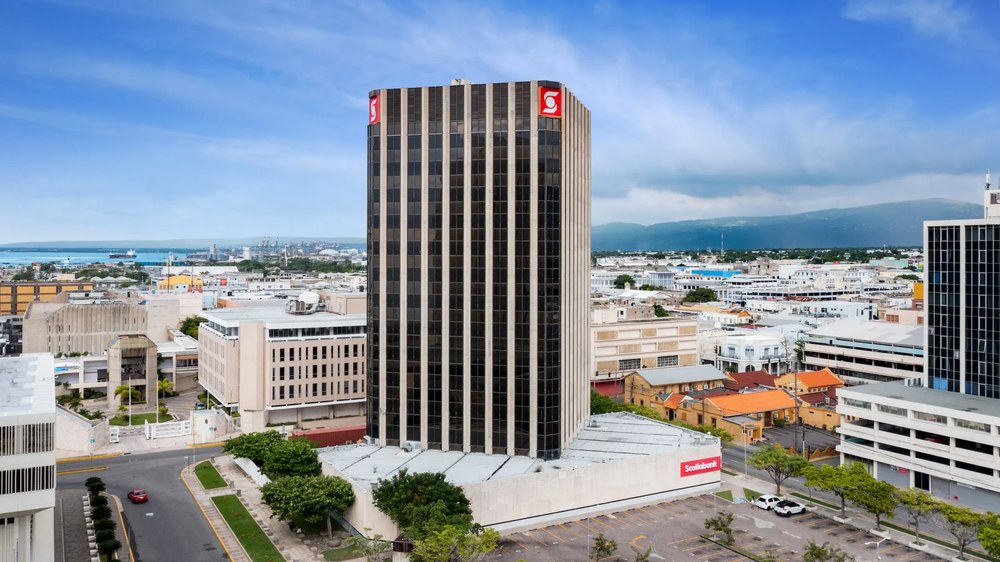
KINGSTON. Taking a listed bank off the exchange rarely arrives with fanfare. It arrives as a notice, a vote and a price. The Scotia Group Jamaica buyout has all three, and it deserves more attention than its paperwork suggests.
On June 12, 2026, Scotiabank agreed to buy every share of Scotia Group Jamaica Limited that it did not already own, and to take the company off the Jamaica Stock Exchange. Its Caribbean holding company already owns 71.78 percent. The offer is J$61.50 a share in cash, about 13 percent above the 30-day volume-weighted average price as of June 11. Scotiabank values the transaction at C$500 million, which it converts to roughly US$359 million.
The reason Scotiabank gives is efficiency. It says the move will enhance capital and operational efficiency and let the group respond more nimbly to market opportunities. That is the language of a parent that wants its capital working in one place, with fewer layers between a decision and its execution.
The process has been orderly. An independent committee of the board recommended the offer, and Ernst & Young Services concluded that the consideration is fair to minority shareholders from a financial point of view. The group's third-quarter profit had risen 10 percent as the buyout vote approached.
On October 9, minority shareholders backed the buyout. Closing is expected in the fourth quarter of 2026, subject to court approval and the remaining conditions.

The people matter as much as the price. In 2018, Scotia Group named Perrin Gayle a director and group lead for corporate and commercial banking in Jamaica. He rose through the retail and small business franchise until he became an executive vice president, and in January 2025 National Commercial Bank Jamaica hired him as its executive vice president of retail banking.
Scotia Group has now named him managing director of The Bank of Nova Scotia Jamaica Limited, effective November 9. A banker who knows the branches, the corporate clients and the retail customer, returning to run the bank, tells you something about where the parent sees its Jamaican future.
Now the arithmetic. For shareholders who stay in, the price is set and the upside is the premium. The investment case rests on the offer being fair, and the independent adviser has said it is. For the country, the more interesting question is capital.
A bank that answers to a parent with deep balance sheets can keep lending through a downturn that would stall a smaller institution. Jamaica is rebuilding after Hurricane Melissa, and reconstruction runs on credit. Every dollar of lending capacity that stays in the system becomes a mortgage, a working-capital line or a contractor's payroll.
Capital is not free, however. The bank still has to earn its cost of equity, and the parent will judge its Jamaican subsidiary against the group's other markets. That creates a discipline. Growth must clear a hurdle, and the hurdle is set in Toronto as well as in Kingston.
The lesson for Caribbean investors is that delisting is not a verdict on the business. It is a choice about structure. Scotiabank has wagered that a private bank with a patient parent can invest through the cycle more effectively than a public one answering to quarterly expectations. The next two years will show whether that wager pays, in credit growth, in service and in the returns to the people who stay with the company.
Read more at The Caribbean Ledger ›