Beenie Man's charge on relief money, and the government's answer, put Melissa's ledger under the spotlight
Jamaica's government says donations are a small share of its recovery spending. The numbers it has published do not yet reconcile with the auditor's, and that gap is the story.

KINGSTON. Dancehall artist Beenie Man has joined the public argument over how Jamaica spends money raised after Hurricane Melissa. In a television interview, he said, "This is nothing new that the Government get the money, the Government distribute the money the wrong way." He added, "The money comes in and you nuh see where it go." He did not name specific programmes or amounts.
He also said, "The people who supposed to get the money haven't been getting any." The criticism reached a second issue as well. He warned that government plans for coastal development and beach access could threaten the livelihoods of people who depend on the beaches, especially at Hellshire Beach in St. Catherine, and said, "If the Government comes for that beach, there's going to be a fight." Campaigners say less than 1% of Jamaica's coastline is freely accessible, a claim the government disputes.
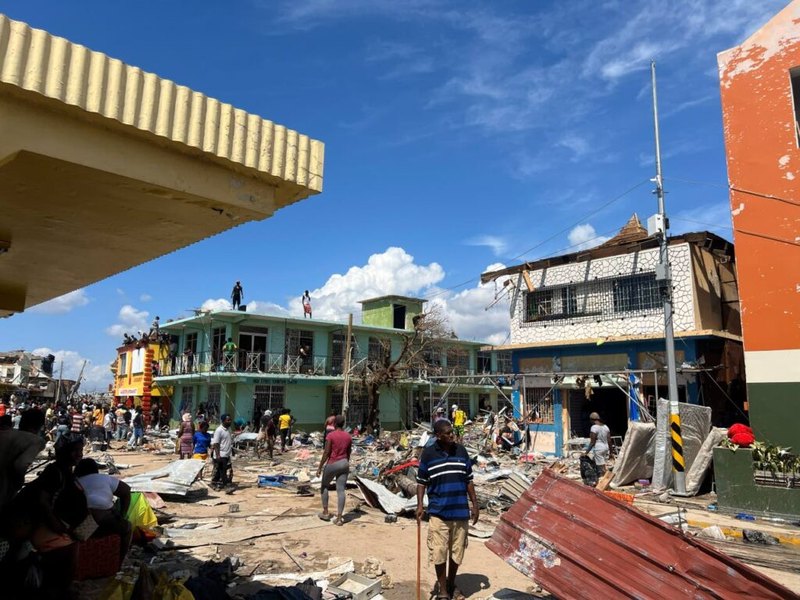
Prime Minister Andrew Holness responded on October 28, 2026, at the reopening of Black River Hospital in St. Elizabeth. He said the health minister had "neglected to invite Beenie Man" and that the artist "would see first-hand how the Government has been spending on the recovery." Holness cited more than $300 million of the government's $3.8 billion health-sector allocation after the hurricane going to rebuild Black River Hospital.
State Minister Abka Fitz-Henley went further in her own television interview. She called the comments "irresponsible, mischievous and entirely false," and said they were "consistent with the untruthful narratives being peddled by the Opposition." She put donations at about $1.7 billion, with $750 million committed to rebuilding roofs, $700 million toward modular housing bases and $100 million for semi-permanent housing in Westmoreland. Donations, she said, make up "less than two per cent" of the total the government has committed or spent, which she placed at around $85 billion.
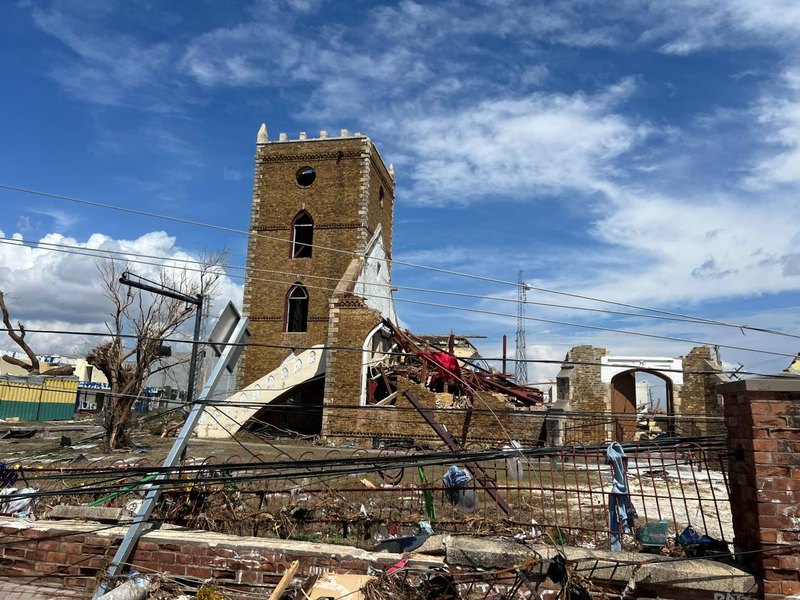
The independent figures tell a less settled story. An auditor general's finding is that the Office of Disaster Preparedness and Emergency Management (ODPEM) had spent $26.2 million, or 1.8%, of the $1.44 billion donated after the hurricane as of February 23, 2026. That donation total is well below the $1.7 billion the minister cited. Both figures may be right at different dates, but the public has not been given a single reconciled ledger, and that is why Beenie Man's complaint has traction.
For a reader who looks at this as a governance and credit question, three distinctions matter. The first is between committed and spent, since a pledge to rebuild roofs is not the same as a roof repaired. The second is between donations and the wider budget, where donations are a small share and the bulk of the money is public.
The third is reporting cadence. A government that publishes commitments in one set of numbers and spending in another invites the skepticism Beenie Man voiced, whatever the truth of any single claim.
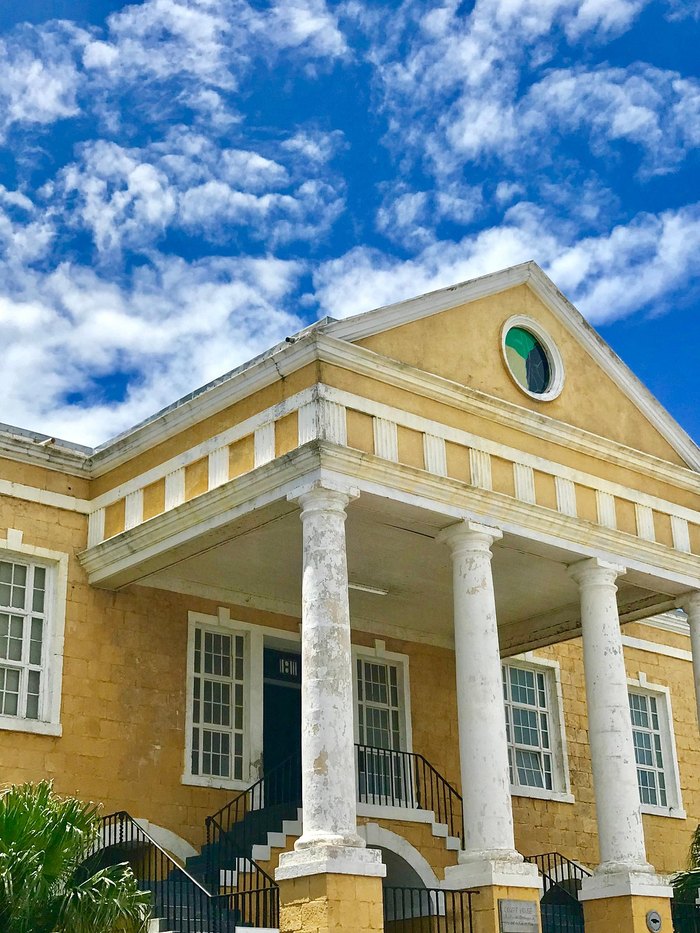
The lesson for the Caribbean is practical. Every island that relies on donor, diaspora and insurance money after a storm faces the same test, and the public judges recovery by what it can see. The remedy is simple to describe and hard to deliver: one public ledger with three columns, pledged, committed and disbursed, updated monthly and reconciled to the auditor's figures at least quarterly. Islands that publish that ledger early tend to lose fewer arguments later.
Beenie Man is a performer, not an auditor. But the questions he raised are the ones the auditor, the parliament and the public will keep asking. The government has the numbers to answer them. What it needs is a single set of figures that every citizen, journalist and investor can reconcile, and that is a better defense than any rebuttal in a television studio.
Read more at The Caribbean Ledger ›