The Fed holds at 3.75% to 4%, and the message for the Caribbean is that dollars stay dear
A 10 to 2 vote to pause hides a split that leans toward another hike, and the islands that price their debt in dollars will feel the lean first.
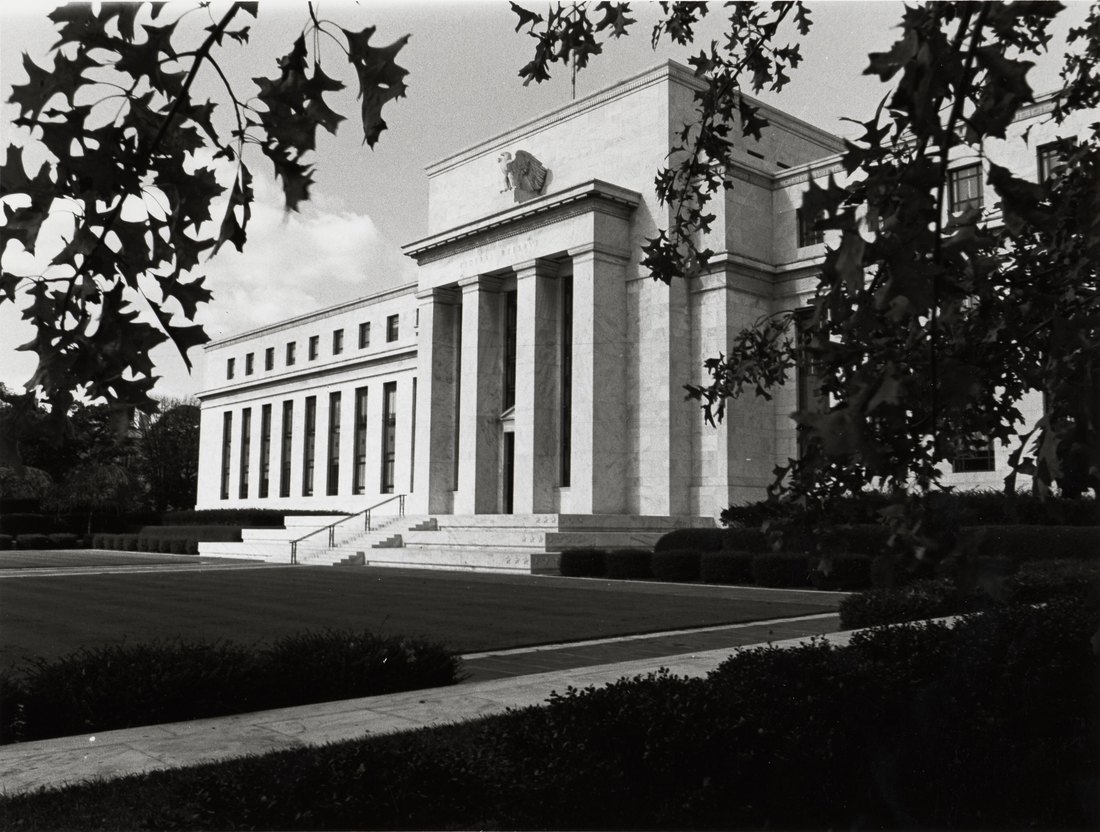
WASHINGTON. The Federal Open Market Committee kept its benchmark rate at 3.75% to 4% on Wednesday, October 28, 2026, by a vote of 10 to 2. The committee described inflation as still elevated, and consumer prices were up 3.7% from a year earlier in September.
Policymakers had raised rates by a quarter point in September, the first increase since July 2023, and this week they chose to wait for more data before moving again. As Fortune reported, the decision came six days before the midterm elections.
The two dissents are the detail to watch. Lisa Cook, a Fed governor, and Beth Hammack, president of the Cleveland Fed, both wanted another quarter-point increase. Fortune reported that it was the first time since October 1992 that a Fed governor and a regional bank president had dissented on the same side.
A pause that draws hawkish dissent is not a pause in the usual sense. It is a committee signaling that the next move may already be decided.
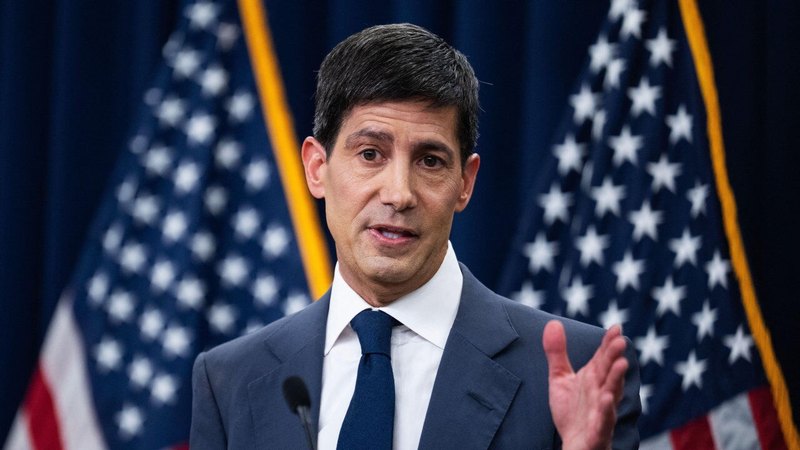
Chair Kevin Warsh, in his press conference, framed the week as a time to take stock. "What we decided to do was to call these questions, take stock of where we are," he said. He also argued that the tightening so far is working, saying "what we've done in this monetary medicine is starting to work some," while adding that firm conclusions were not yet possible. The Fed raised its description of economic activity to "expanding at a strong pace" from "solid" in September, which is hard to square with a central bank hoping to cool demand quietly.
Markets have already moved in that direction. Before the decision, traders put the odds of a December hike at 78%, according to CME Group's FedWatch tool, as cited by Fortune. Laura Ullrich of the Indeed Hiring Lab said she saw the probability of a December hike as "very, very high." For a region that prices so much of its public and private debt in dollars, a market that expects higher rates is already a cost, whether or not the Fed acts again this year.
Why does this matter to the islands? A Fed that leans toward higher rates raises the cost of dollars everywhere. For economies with dollar-pegged currencies and dollar-denominated borrowing, the policy rate shapes what it costs to refinance government bonds, finance a hotel, or build a power plant. Import bills rise with it, because fuel, food and equipment are priced in dollars and many islands import most of what they consume.
The remittance channel runs the other way. If higher rates slow the American economy, the workers who send money home to the Caribbean feel the squeeze first, through fewer hours, slower hiring and tighter budgets. The islands would then face a dearer dollar and smaller transfers at the same time, a combination that is hard to plan around.
The pause is not a verdict. It is a warning that the next data releases will carry more weight than usual. For Caribbean finance ministers and central bankers, the sensible response is to assume that dollars will stay expensive for longer than they hoped, and to build budgets that do not depend on cheap refinancing to balance.
The Fed has made clear it is still weighing its next move. The region should be doing the same.
Read more at The Caribbean Ledger ›