Google's cloud business shines, but the AI bill knocks Alphabet's shares down about 10%
Cloud revenue more than doubled and beat expectations, yet a profit miss and a bigger spending plan for 2027 sent investors for the exit.

NEW YORK. Alphabet, the parent of Google, reported third-quarter results on October 28, 2026, and the market's reaction was sharp. Revenue reached about $127.6 billion, up roughly 25 percent from a year earlier, but it came in just below the $127.9 billion analysts expected.
Earnings per share were $2.12, down 26 percent and well short of the roughly $3 that Wall Street had projected. Shares fell about 10 percent in after-hours trading, as CNBC and The National reported.
Much of the earnings gap came from outside the core business. The National reported that equity investments produced an $8.7 billion loss, and that free cash flow was negative $9.1 billion, the second consecutive quarter of negative free cash flow. Numbers like these make long-term investors pause, because they show how much cash the artificial intelligence build-out is consuming before it earns a return.
The operating picture is stronger than the headline. Google Cloud brought in $30.7 billion, more than double the prior year and above analyst estimates that ranged from $28.7 billion to $29.1 billion. Thomas Kurian, chief executive of Google Cloud, pointed to "extraordinary demand and strong growth from AI labs, capital markets, financial service institutions and enterprises." Search and related revenue, by contrast, reached $63.4 billion, below the $64.9 billion expected.
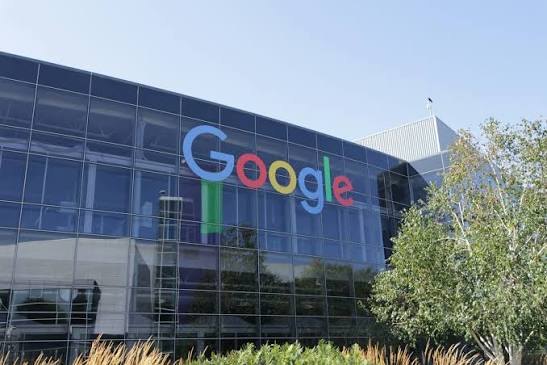
The spending plan is what moved the stock. Alphabet left its 2026 capital expenditure forecast unchanged at $195 billion to $205 billion, but it signaled that spending will exceed $300 billion in 2027. Third-quarter capital spending of $51.4 billion came in below the $55.1 billion expected, which gave some relief on the quarter. The bigger question is the one the market has now started asking: whether the company can fund a much larger build-out without free cash flow staying negative.
Two analysts put the tension in plain terms. Thomas Monteiro of Investing.com wrote, "Right now, Alphabet earns more selling AI to its rivals than using it itself." Rebecca Wettemann of Valoir asked the question investors are now weighing: "But can Alphabet build fast enough to meet that demand, and at what cost as its free cash flow drops?"
Both observations point to the same tension. Demand for Alphabet's AI infrastructure is real, but the price of meeting it is rising faster than the cash flow that pays for it.
The consequences reach well beyond Wall Street. The same cloud and data-center build-out depends on power, cable routes and grid equipment, the very inputs Caribbean utilities and governments are trying to secure, as our Global Lens report noted this week. A spending wave of this size means more competition for capacity and equipment, and also more openings for islands that can offer landing points, power and stable regulation.
For a company that built its name on turning scale into profit, the next two quarters will show whether this spending is an investment in the next decade or a drag on the present. The third-quarter numbers are strong enough to keep the business growing. They are not yet strong enough to calm a market that has grown tired of paying for promises.
Read more at The Caribbean Ledger ›