Grenada enters the final week before a vote that could redraw its politics
Polls open November 5. The question is whether Dickon Mitchell earns a second term, or whether a reshaped opposition can pull Grenada back toward its old two-party rhythm.
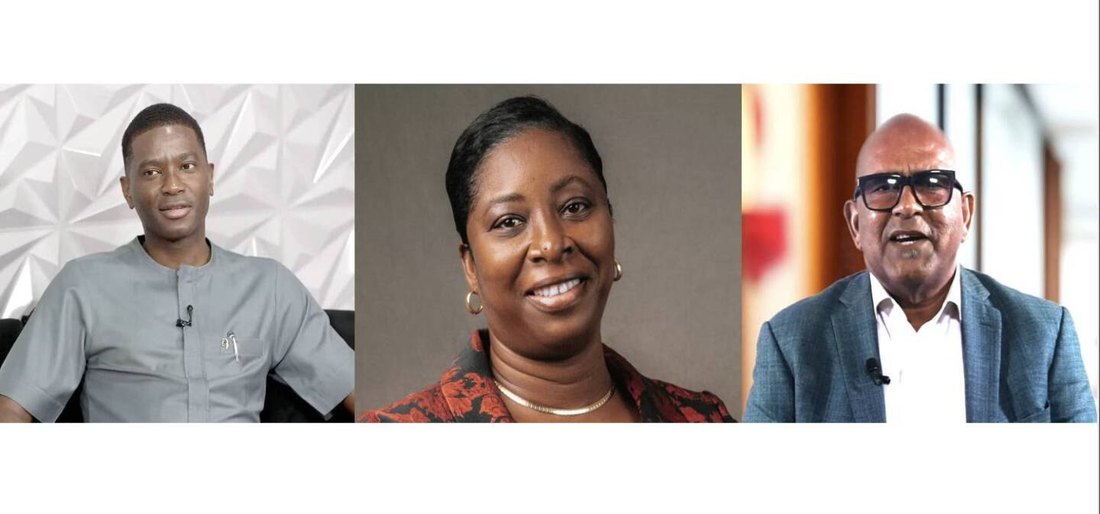
ST. GEORGE'S. Grenada has entered the last week of a general election campaign that will decide whether Prime Minister Dickon Mitchell wins a second consecutive term or whether a reshaped opposition can pull the island back toward its old two-party rhythm. Polling is set for Thursday, November 5, 2026, with police officers voting early on November 2, according to reporting by The Rio Times dated October 22, 2026.
All 15 seats in the House of Representatives are being contested, and a party needs eight to form a government. Parliament was dissolved on October 2, when voter registration also closed, and 46 candidates have been nominated across the field. The Organization of American States is observing the vote, a routine but steadying presence in a region where close results can turn into disputes.
The contest is a rematch of sorts with a new cast. Mitchell leads the National Democratic Congress, which won nine seats in 2022 to end a long stretch of one-party dominance. He has said he expects to win again and has dismissed talk of a hung parliament.
Facing him is the New National Party under Emmalin Pierre, the first woman to lead the party into a general election, running a campaign branded "Better Grenada." The NNP, which once held all 15 seats in 1999, 2013 and 2018, is trying to rebuild from the six it won in 2022. A smaller force, the Democratic People's Movement led by former foreign affairs minister Peter David, is expected to contest seats, though how many it can seriously challenge for is unclear.
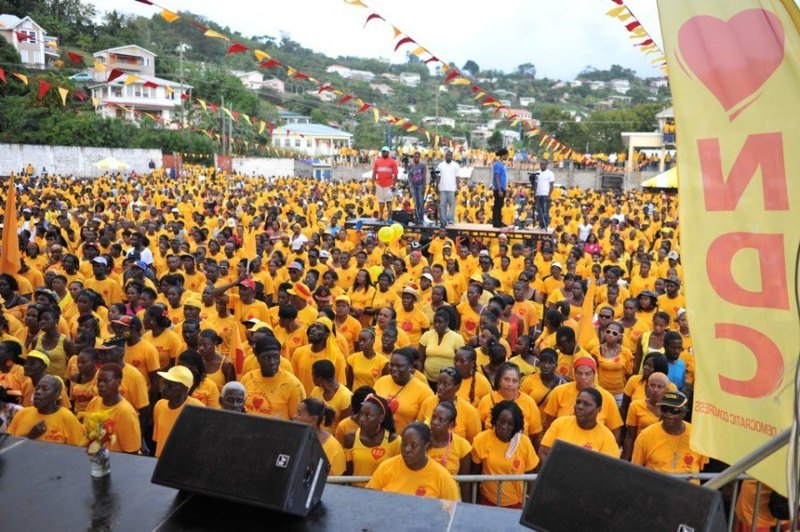
The policy argument has settled onto pocketbook ground. Pierre has proposed cutting the corporate tax rate from 28% to 25%, and has promised free transport for students who need help and expanded night and weekend bus services. Mitchell is running on his record and on the stability of a single-term government that inherited the island's recurring challenges of cost of living, debt and climate exposure. The Rio Times reported that the vote will shape tax, energy and public-service policy, which is another way of saying it will shape the next several budgets.
The final fortnight has also carried the churn that marks a competitive race. The coverage of the campaign has noted former New National Party figures moving toward the governing side, the kind of defection that can matter in a 15-seat house where a handful of constituencies decide everything. In a parliament this small, momentum and local organization often matter more than national mood, and both parties are spending the last days on the ground rather than on the airwaves.
There is a shadow over the mechanics. A High Court claim concerning the electoral process is pending, and the attorney general's office has said it is being handled. In a system where margins can be tight, the integrity of the roll and the count is not a footnote, and the presence of OAS observers is partly an answer to exactly that concern.
Grenada's elections are small in raw numbers and large in consequence for the island's 125,000 or so people. A second Mitchell term would consolidate the NDC's 2022 breakthrough into something closer to a new normal. A strong NNP showing, or an outright return, would suggest that 2022 was a correction rather than a realignment.
Either way, by the morning of November 6, Grenada will know whether its recent political shift has set or started to reverse. The campaign is nearly over. The reading of what it meant begins next week.
Read more at The Caribbean Ledger ›