Haiti's anti-gang force is under strength and under strain as elections slip again
The international force meant to retake Haiti's streets is still well short of its planned size, and the elections it was meant to protect keep slipping.
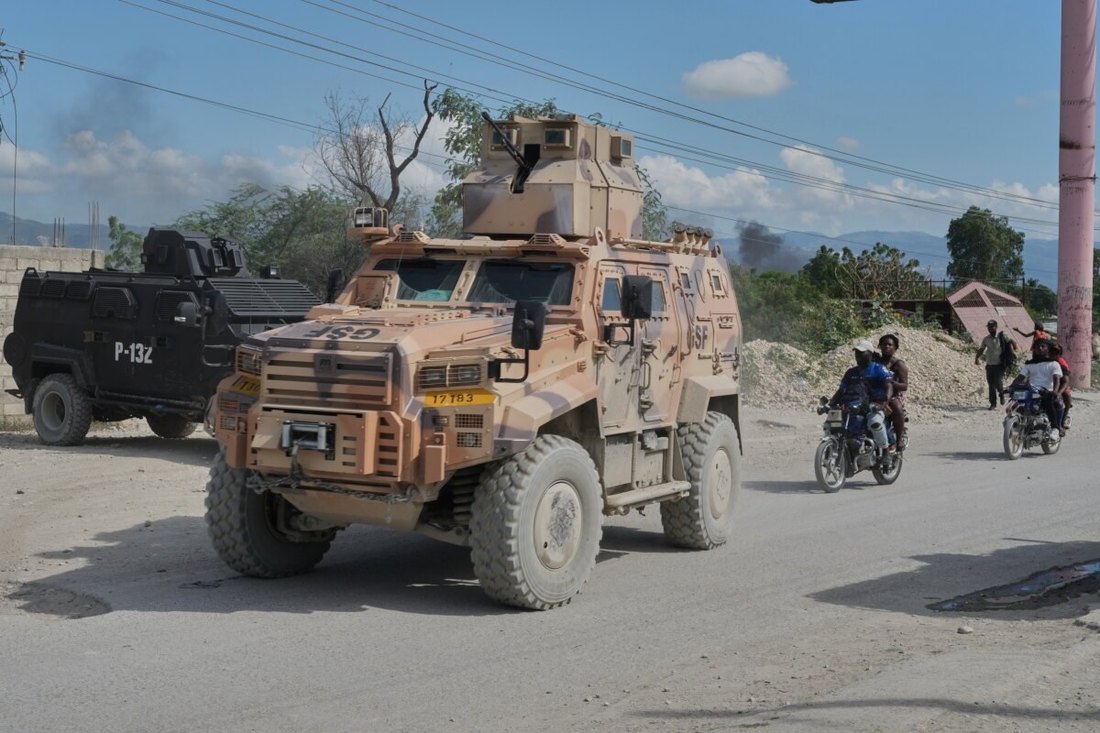
PORT-AU-PRINCE. The international effort to wrest Haiti back from its gangs is running well behind the plan that created it. The United Nations Security Council authorized a Gang Suppression Force to take over from the earlier Kenyan-led mission, and its first troops arrived in Haiti in April 2026, as reported by Al Jazeera. More than half a year later, the force remains far short of the roughly 5,500 personnel it was designed to field, and the gap between its mandate and its reality has become the central fact of Haiti's security crisis.
The Security Council extended the mission's mandate for six months in late September 2026, a decision Al Jazeera reported on September 29, 2026, keeping the operation legally alive even as it struggles to reach strength. Funding, equipment and troop contributions have all lagged the commitments made on paper, a familiar pattern for interventions in Haiti and a dangerous one when the adversary controls much of the capital.
The strain has turned concrete and alarming. As reported by WLRN on October 21, 2026, a contingent of Salvadoran soldiers deployed with the effort has been unaccounted for, a development that has cast what the outlet called a darker pall over the mission and over the communities that were counting on it. For Haitians living under gang control, a force that cannot protect its own personnel is not a reassuring presence, and for the governments weighing whether to send more troops, a missing contingent is exactly the outcome that makes them hesitate.
The political timeline has slipped in step with the security one. Haiti's transitional authorities had pointed toward elections to restore constitutional government, and that calendar has been pushed back again amid the violence, with officials conceding that a credible vote cannot be held while gangs control the ground on which people would have to cast ballots. The transition that was meant to be a bridge to an elected government has instead become an open-ended arrangement, its legitimacy thinning the longer it lasts without a vote behind it.
The human cost continues to accumulate underneath the diplomacy. Gang control of Port-au-Prince has displaced large numbers of people, choked the movement of food and fuel, and left public institutions barely functioning. Each delay in bringing the suppression force up to strength is measured, in Haiti, in neighborhoods lost and families moved.
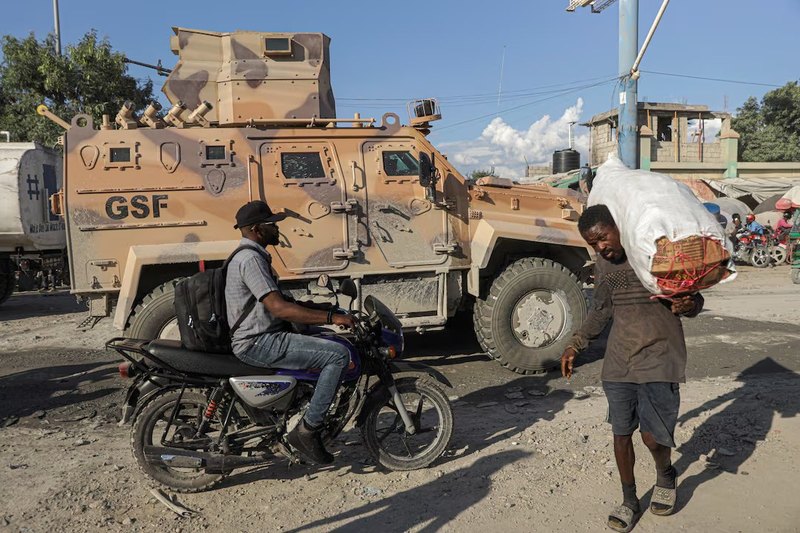
The regional stakes are not confined to Haiti's borders. The Dominican Republic has militarized its side of the frontier and pressed ahead with a border wall, bracing for the migration pressure that a failing Haitian state produces. CARICOM has kept Haiti near the top of its agenda, and the question of who will fund and staff the suppression force is one that the region's leaders carry into every summit, including the Commonwealth meeting opening this week in Antigua.
What Haiti needs from the mission is not complicated to state and has proven nearly impossible to deliver: enough troops, enough equipment, and enough sustained commitment to hold ground long enough for a government to be elected on it. Six months after the first boots landed, the force is still waiting for the strength it was promised, the elections are still waiting for the security that would make them possible, and Haitians are still waiting for both. The mandate has been renewed. The mission has not yet arrived at the size its task requires.
Read more at The Caribbean Ledger ›