A record $817 million loan shows where lenders see Miami's upside
Two towers on the Miami River are the newest test of how far lenders will go to back South Florida's luxury housing market, and the answer says something about where money is heading next.

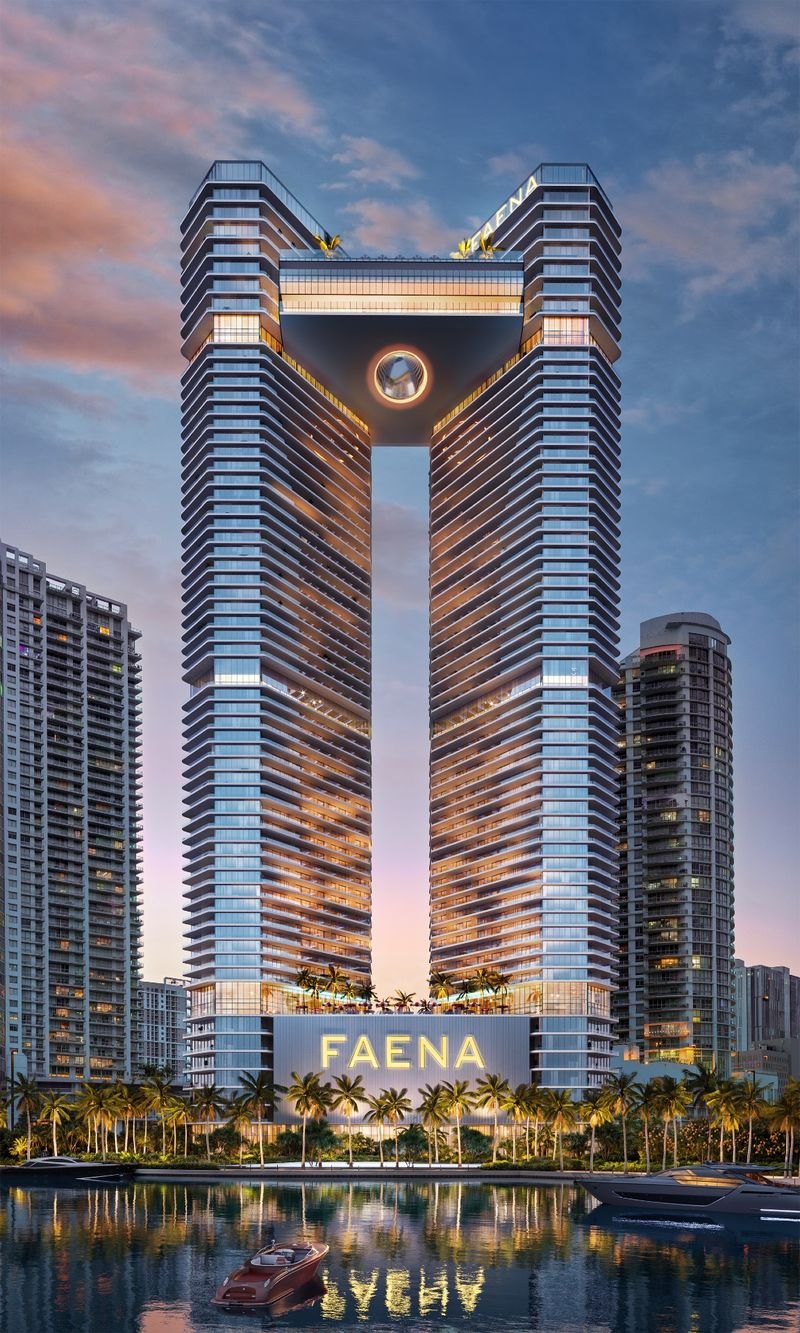
MIAMI. On October 28, 2026, Fortune International Group and KAR Properties announced an $817 million construction loan for Faena Residences, a two-tower waterfront condominium development at 24 Southwest Fourth Street in downtown Miami. The site faces the Miami River and sits across from Brickell City Centre.
Tyko Capital, a New York-based lender led by Adi Chugh and backed by Elliott Management, provided the financing, and Walker & Dunlop arranged it. As reported by The Real Deal and Commercial Observer, the loan is the largest construction loan of its kind in Florida.
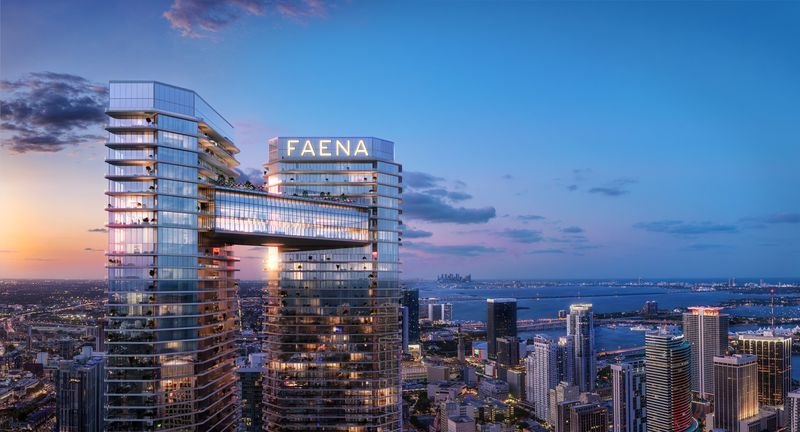
The size is striking, but the structure is more useful to study. The project is described as a 440-unit, two-tower development, with each tower rising 68 stories and the complex linked by a three-story sky bridge. Commercial Observer reports that sales have already exceeded $500 million, including a $30 million penthouse purchase.

A lender does not commit $817 million to a building that has no buyers. Pre-sales of that scale are the reason the loan can be sized at this level, and they are the first thing an investor should check in any project of this kind.
Construction is expected to finish in early 2030, which is more than three years away. Between now and then, the project has to hold its schedule, control its costs and keep its pre-sold buyers committed. A loan of this size turns every one of those tasks into a lender's concern, and the terms of the financing will say as much about the risk as the headline number does.
The lender's pattern deserves attention too. Commercial Observer describes Tyko Capital as a major South Florida lender, citing a Bentley-branded condominium in Sunny Isles Beach and a convention center hotel in Miami Beach among its large loans. Two weeks before the Faena announcement, the same lender was reported to have provided $507 million for a 28-story, 106-unit condominium tower at 1250 West Avenue in Miami Beach.
When one lender carries that much of a market's construction debt, its appetite becomes a signal in itself. When that appetite contracts, the effects reach every developer that depends on it.
For the Caribbean, the lesson is not about Miami's skyline. Many families and investors across the islands already look to South Florida for property, schooling and a place to hold savings. A deal of this scale shows that the market still has room to grow, and that capital is willing to bet on it. For the region's own developers and planners, it is a reminder that the most durable projects are the ones with buyers in place before the first foundation is poured.
The coverage we reviewed does not name the borrowing entity behind the Faena loan, and it does not describe the uses of the funds beyond construction. Those are the details a serious reader would want before drawing a firm conclusion. What the reporting does establish is a clear point: lenders are still prepared to finance large luxury projects in Miami when the pre-sales are strong and the sponsors are established. Whether that confidence holds through the next two years of construction will be the real test.