St. Kitts moves to tie its police and prosecutors closer together
St. Kitts and Nevis wants its police and prosecutors working from the same file, so that cases are built to hold together in court.

BASSETERRE. St. Kitts and Nevis is extending its justice-reform drive from the prison back to the point where cases are built. The St. Kitts and Nevis Information Service reported on October 27, 2026 that the Ministry of Justice is moving to strengthen coordination between police and prosecutors in criminal cases, part of a broader effort the ministry has described in recent days alongside its work on correctional management, rehabilitation and reintegration.
The second piece matters as much as the first. A corrections system can be reformed at the back end, but if cases arrive at court poorly investigated or poorly prepared, they collapse before a magistrate ever weighs them, and the public sees only that someone walked free. Tightening the handoff between the officers who gather evidence and the lawyers who present it is aimed at exactly that failure point: the gap where a weak file, a missed deadline or a witness who was never properly prepared turns a provable offense into an acquittal or a withdrawn charge.
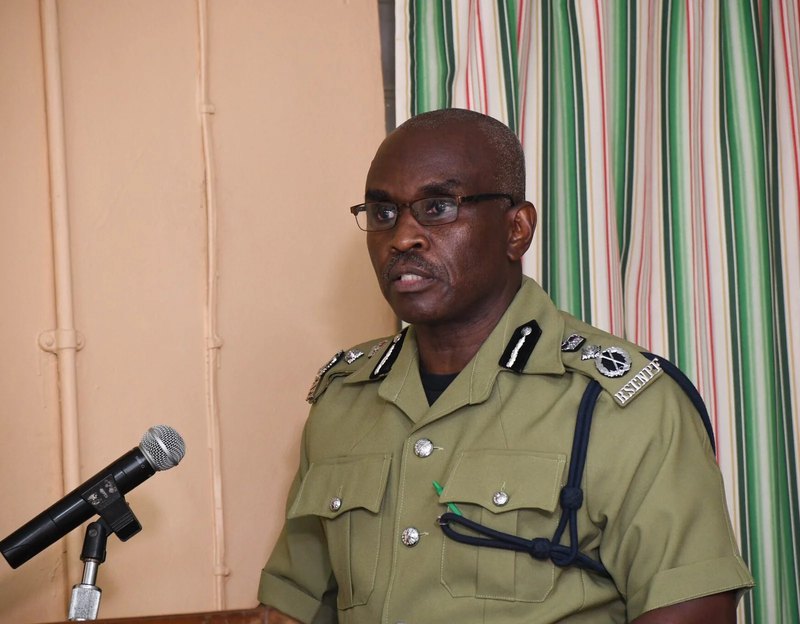
For a federation of about 48,000 people, the health of that pipeline is not a technical matter. Small jurisdictions feel every case that falls apart, because each one is visible, each one is talked about, and each one chips at public confidence that the system works. Coordination reforms of this kind tend to be unglamorous: shared protocols, earlier contact between investigator and prosecutor, common standards for how a file is assembled.
They rarely make a headline on their own. Their effect, when they work, is measured in cases that hold together rather than cases that make news for the wrong reason.
The move sits within a wider modernization the Justice Ministry has been advancing, which on the corrections side has leaned toward rehabilitation and reintegration rather than punishment alone, an approach consistent with the development-partner frameworks the federation has drawn on. The through-line is a justice system that treats the whole arc, from arrest to prosecution to sentence to release, as a single process rather than a set of disconnected stages. A person who is arrested on a well-built case, tried on a well-prepared file and released through a credible rehabilitation program is less likely to return to the dock. That is the logic the ministry is pursuing from both ends at once.
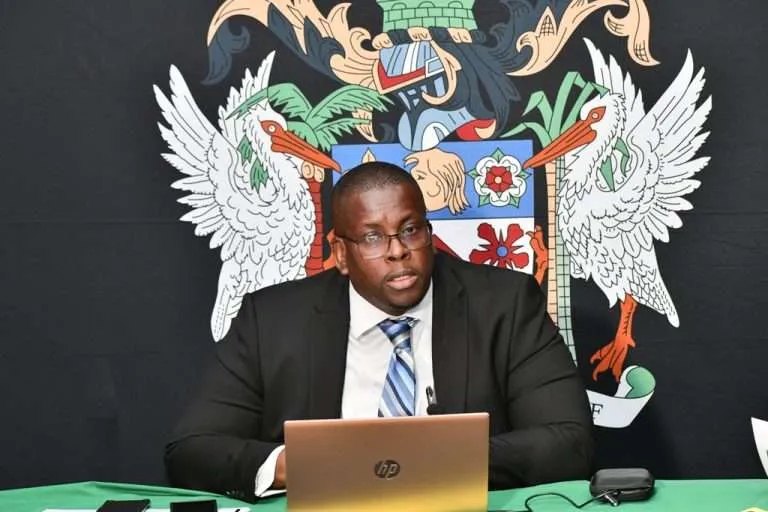
The federation has spent much of 2026 reworking the parts of the state that face the public most directly, from its citizenship program to its justice institutions, under a government that has framed reform as a condition of the island's credibility rather than an optional extra. The Information Service's October 27 account places the police-prosecutor coordination work in that same reform tradition.
None of this delivers results overnight. Coordination has to be built, trained and sustained, and the measure of whether it worked will show up quietly, a year or two from now, in conviction rates and in cases that no longer fail for reasons that had nothing to do with guilt or innocence. But the direction is clear enough.
St. Kitts and Nevis is trying to fix its justice system where the breaks actually happen, and some of those breaks happen long before anyone reaches a cell. The St. Kitts and Nevis Information Service reported the latest step on October 27, 2026.
Read more at The Caribbean Ledger ›