The Caribbean's two-speed tourism year: cruise ships full, hotel beds uneven
Cruise arrivals are strong across the region, while hotel rooms and occupancy are uneven from island to island.
GEORGETOWN. The Caribbean Tourism Organization laid out the region's first-half scorecard at its State of the Tourism Industry Conference in Guyana, and the numbers, presented on October 13, 2026, describe an industry moving at two very different speeds. The ships are fuller than they have ever been.
The hotels are holding, not surging. Going into the high season, that split is where the money and the worry both sit.
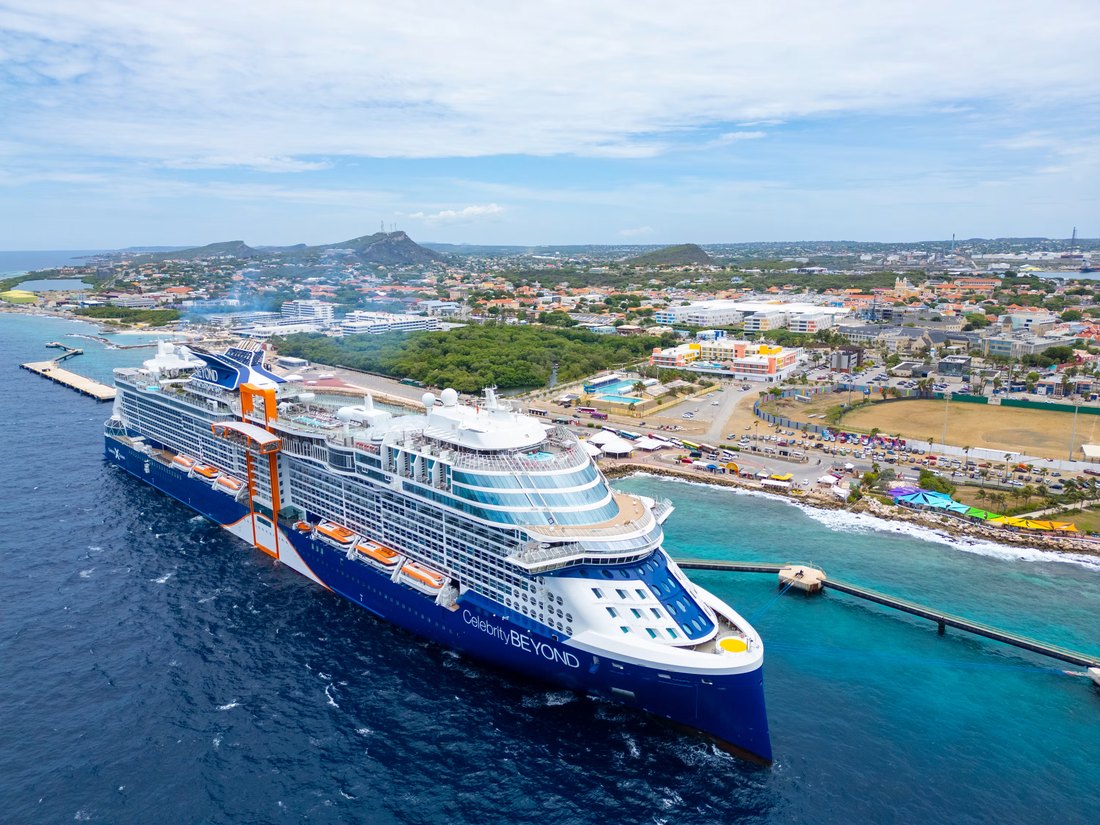
Cruise is the clear winner. The region logged about 21.7 million cruise passenger visits in the first six months of 2026, up 11%, a record for the period. First-quarter traffic rose 12% and the second quarter added 9.3%, with 19 of 24 reporting destinations growing. The CTO expects cruise to finish the year up 5% to 7%, at roughly 38 million passenger visits.
That is a remarkable run, and it is also a familiar warning. A cruise passenger spends a fraction of what an overnight visitor spends, and leaves far less of it with hotels, villa owners and the workers who staff them. A record on the water is good news for ports and tour operators and thinner news for the parts of the economy that depend on people sleeping ashore.
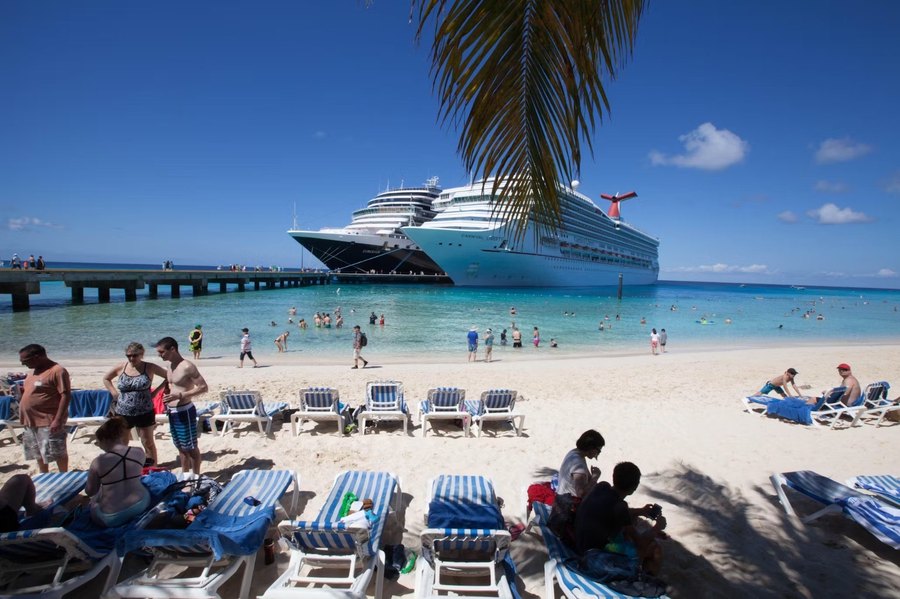
Stayover arrivals, the higher-value half of the business, grew but did not accelerate. The region recorded about 18.9 million overnight visitors in the first half, up 1.9% from 18.6 million a year earlier. The shape inside that number is the point: the first quarter rose 4.1% to about 10 million, and the second quarter slipped 0.4% to 8.9 million.
Aliyyah Shakeer, the CTO's Director of Research, cautioned against reading the second-quarter dip as a collapse. She attributed it in part to an unusually strong second quarter in 2025, which grew 5%, and pointed to higher fuel prices, aviation pressures and geopolitical tension as drags on the comparison. Her larger point was strategic: the challenge, she said, is "not simply increasing visitor numbers." The CTO still expects stayovers to finish 2026 up 2% to 3%, at about 36 million.
The source markets tell a quieter structural story. The United States remains dominant at 48.4% of arrivals, about 9.18 million visitors, up 1.6%. Canada grew 5.9% to 1.77 million and Europe was flat at 2.56 million.
The fastest-growing source was South America, up 19.5% to about 1.19 million, now 6.3% of all arrivals. Intra-Caribbean travel rose 4.4% to about 578,000. A region that has leaned on North America for generations is, slowly, diversifying who walks off the plane.
Airlift is the hinge the region cannot fully control. Stayover growth depends on seats, and seats depend on decisions made in airline boardrooms in Atlanta, Toronto and London rather than in Caribbean tourism ministries. The CTO's caution about aviation pressures is really a caution about dependence: a route cut or a fare increase upstream can undo a year of destination marketing downstream. The islands that have invested in direct lift and in diversified source markets, including the fast-growing South American traffic, are the ones least exposed to a single carrier's retreat.
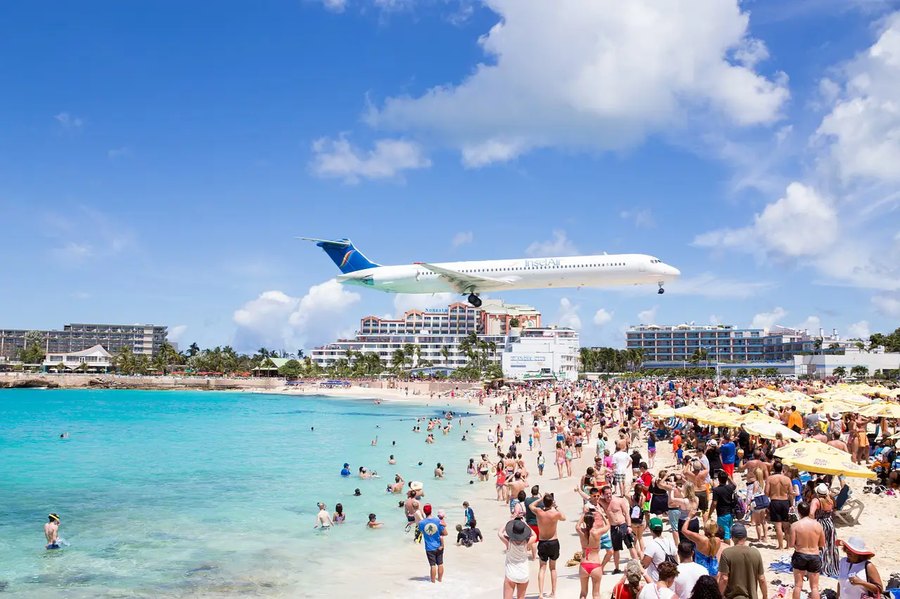
The hotel data is the reassuring part. Regional occupancy ran at 73.1%, the average daily rate climbed 9.2% to US$414.52, and revenue per available room rose 11.4% to US$303.15. Fewer rooms sold at much higher prices is not a weak result. It is a different business model than filling every bed, and for island treasuries that tax rooms and spending it can be the better one.
Individual destinations show how uneven the map is. St. Vincent and the Grenadines reported arrivals up 8.4% through August, after a record 2025 of more than 120,000, and expects over 350 cruise calls in the 2026 to 2027 season. Turks and Caicos counted 494,466 stayover visitors, up 5% through August, alongside 776,438 cruise passengers.
In St. Kitts, on-island tourism spending rose 22%, from US$28.3 million to US$34.5 million, on Mastercard figures. Jamaica, still rebuilding from Hurricane Melissa, is the counterweight the CTO did not dwell on but every operator knows about.
The winter months are when the Caribbean makes its margin, and they begin now. The read going in is that the cruise lines will keep breaking records while the stayover side fights for every point of growth against fuel, airfares and a cautious North American consumer. That is a workable year, but it is not the same year for everyone.
An island built on villas and boutique hotels is living a different 2026 than one built on port calls, and the regional average, up a percent here and a percent there, hides how far apart those two Caribbeans have drifted. The high season will not close that gap. It will show, destination by destination, exactly how wide it has become.
Read more at The Caribbean Ledger ›