Belize takes the development bank's chair, and prepares to host the region in 2027
A small, debt-conscious country now steers the Caribbean's own development lender, and will bring the region's finance ministers to Belize City in 2027.
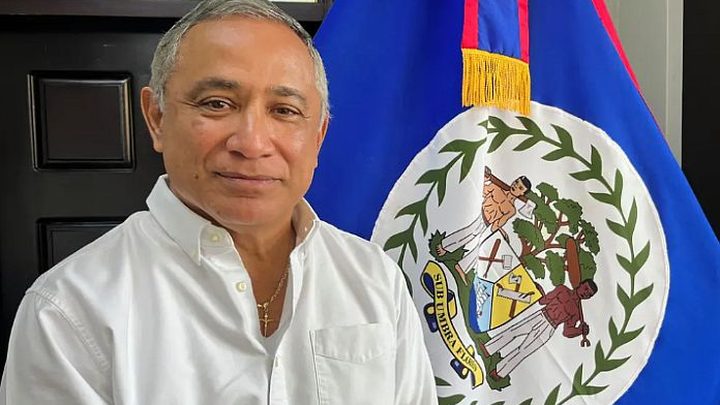
BELIZE CITY. Belize has taken on a regional role that outweighs its size. The country assumed the chairmanship of the Board of Governors of the Caribbean Development Bank and is set to host the bank's 57th Annual Meeting in 2027, as the Belize Government Press Office announced, a posting that puts a small Central American and Caribbean state at the head of the region's own development lender at a moment when development finance has rarely mattered more.
The Caribbean Development Bank is the institution regional governments turn to for the money that keeps schools built, roads paved and recoveries funded, and its chairmanship rotates among member governments. For Belize, holding the chair is both an honor and a platform. The country has spent recent years managing its debt with unusual creativity, including a landmark debt-for-nature arrangement that tied repayment relief to marine conservation, and it carries that experience into a role that shapes how concessional finance, climate money and debt relief reach the rest of the membership.
The timing gives the chair real weight. Caribbean governments are pressing, through the CDB and in wider forums, for cheaper and more patient capital to confront a double burden of high debt and high climate exposure, the same case the region carried to the IMF and World Bank meetings earlier in the autumn. A chair that has itself restructured debt around conservation is well placed to argue that the old categories of development finance and climate finance should be treated as one, and that small, highly exposed states need instruments built for their reality rather than borrowed from larger economies.
Belize has paired the chairmanship with its own financing wins, having secured climate-resilience funding alongside the leadership role, the Press Office reported. That pairing is the point. A country that is both steering the regional bank and drawing resilience money from the wider system can model, in its own budget, the kind of financing it wants the bank to normalize for everyone else.
The chairmanship is also a test of Belize's own argument. The country became a reference point for small-state debt management when it restructured a slice of its external debt in exchange for commitments to protect its marine environment, a deal studied closely across a region weighed down by both rising water and rising obligations. Holding the development bank's gavel lets Belize press that template, debt relief tied to resilience, from the center of the institution rather than the margins of it.
Hosting the 2027 Annual Meeting will bring the region's finance ministers, central bankers and development partners to Belize City, a convening that small states value for the visibility and the investment conversations it draws, much as Antigua is discovering this week with the Commonwealth summit. For now the work is quieter and the stakes are institutional: using the chair to keep the Caribbean's own lender focused on the terms, the speed and the flexibility that its smallest and most vulnerable members actually need. It is an outsized job for a small country, and Belize has taken it at a moment when the money question is the whole question.
Read more at The Caribbean Ledger ›