Brand Jamaica, Beenie Man and the relief money question
The Prime Minister and one of dancehall's most senior voices are trading public blows over hurricane relief, and the argument now reaches into who gets to speak for the country.
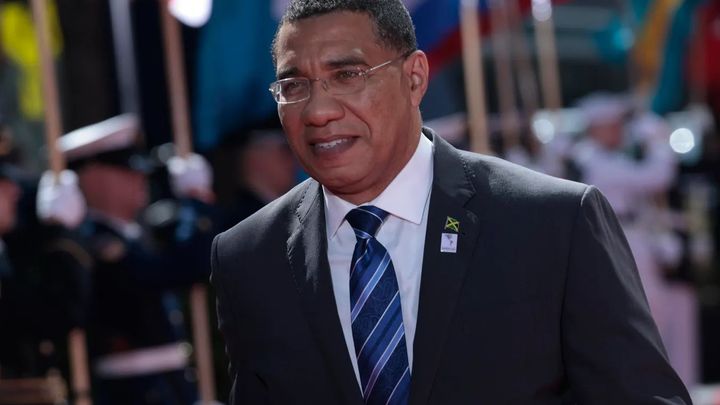
KINGSTON. Prime Minister Andrew Holness and one of dancehall's most senior voices are now trading public blows, and the argument has moved well past entertainment.
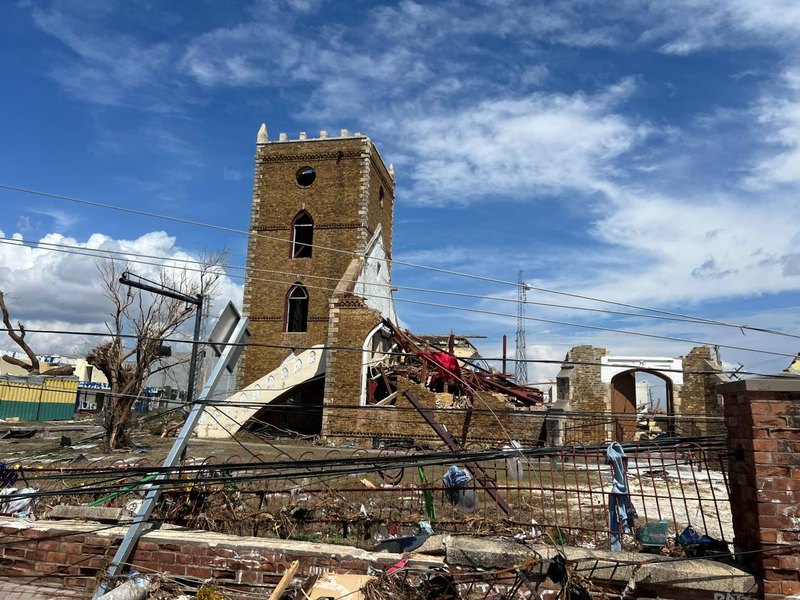
It began with Beenie Man. In a television interview with ITV News, the veteran entertainer criticized how the government has handled money given to help Jamaicans after Hurricane Melissa. "The money comes in and you nuh see where it go," he said, as the Jamaica Observer reported on October 27. He also said the people who should have received the money had not received it.
The government's own accounting gives that complaint some weight. Citing an auditor general report, the Observer reports that the Office of Disaster Preparedness and Emergency Management had spent $26.2 million, or 1.8 percent, of the $1.44 billion donated after the storm, as of February 23, 2026. The reporting does not say whether the gap reflects delay, planning or something else, and it offers no figures for spending since February.
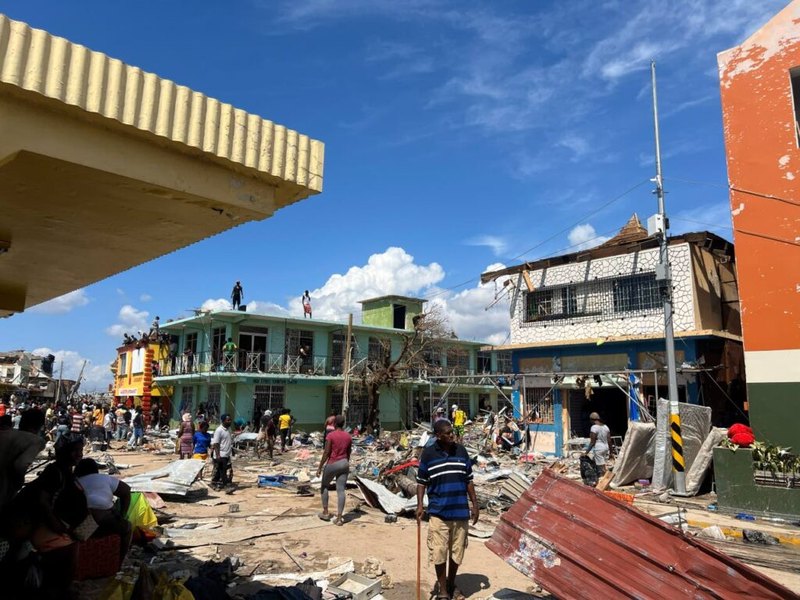
Holness responded on October 28 at the reopening of Black River Hospital in St. Elizabeth. He said some entertainers use national symbols to draw crowds while they criticize the country. "It is a lie that was told on Jamaica by someone who benefits from brand Jamaica and we must call them out because they go and wave our flag and get people to attend their shows while they are out there tearing down the country," he said, as the Observer reported.
He added: "It is not going to help one more person get one more grant and these things need to be said. Unfortunately I am the only one willing to say it." He also said more than $300 million of the government's $3.8 billion health-sector allocation after the storm had gone toward rebuilding Black River Hospital. That is a specific claim, and it can be checked against the budget and the contract records.
Buju Banton answered in a social media post, which the Observer reported on October 29. He wrote, "we are the brand Jamaica," and told the Prime Minister, "we have been pushing brand Jamaica long before you enter politics, go check the file." His argument was that promoting Jamaican culture takes hard work, credibility and a body of work, not a gesture at a show.
Two questions are being argued at once, and they should be kept apart.
The first is factual. Where did the donated money go, how much has been spent, and who has received it? Those questions have numbers attached, and the numbers should be published in full, by agency, by date and by recipient. Critics and government should be arguing from the same ledger.
The second is about voice. Holness's framing treats criticism of government spending as criticism of the nation itself. Beenie Man and Buju Banton answer that they are part of the nation's culture, and that asking hard questions about the money is part of caring for the country. Both positions are fair to hold.
Neither answers the other's central claim.
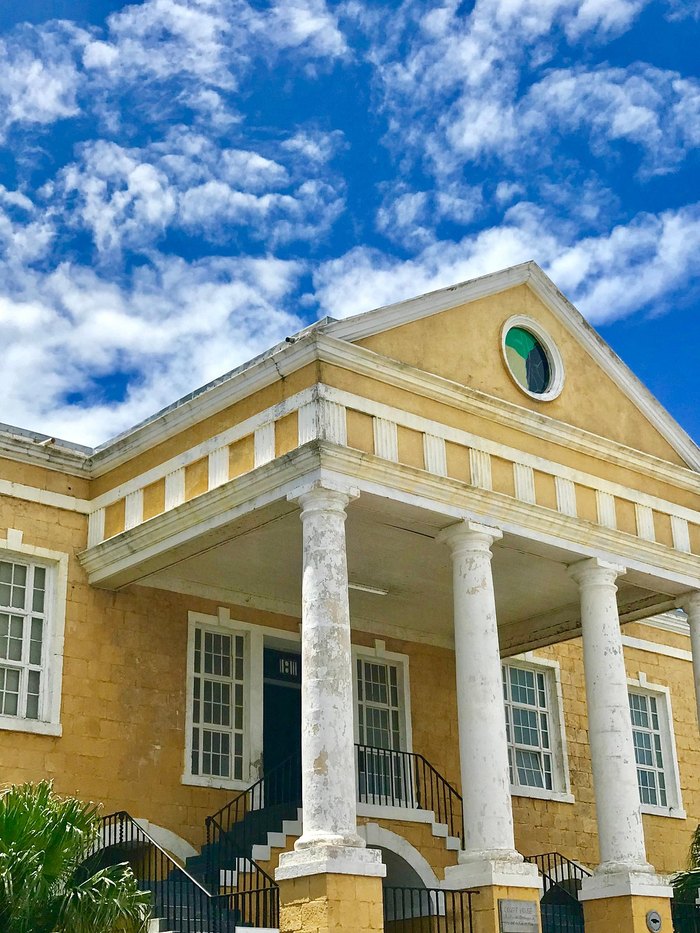
The Observer also notes that the Prime Minister's remarks were a direct response to Beenie Man, whose concerns extended to coastal development and beach access. The government disputes campaigners' claim that less than 1 percent of the coastline is freely accessible, saying 17 percentage points of the 21 percent classified as public beach are free to access. That is a separate argument, but it shows how this dispute keeps spreading into new areas.
For readers, the useful question is simple. Where is the $1.44 billion, and when will the people it was donated for see the rest of it? Until the government publishes a complete, current account of that money, this debate will keep turning on who sounds more patriotic rather than on what the numbers show.
Read more at The Caribbean Ledger ›