CHOGM opens in Antigua, and slavery's debt moves onto the floor
The 28th Commonwealth summit opens in St. John's with reparations at the center of the agenda.
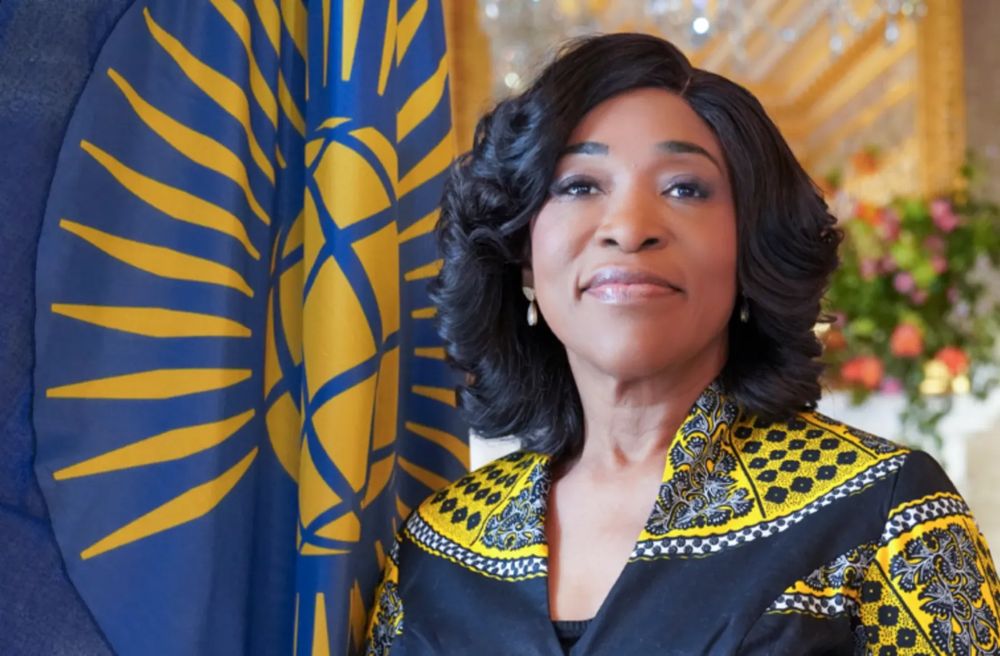
The summit opens
ST. JOHN'S. The 28th Commonwealth Heads of Government Meeting opened in St. John's, Antigua and Barbuda, on November 1, 2026, and runs through November 4. According to the Commonwealth Secretariat, the summit gathers leaders and representatives of all 56 member states under the theme "Accelerating Partnerships and Investment for a Prosperous Commonwealth," with Prime Minister Gaston Browne as chair-in-office and Secretary-General Shirley Ayorkor Botchwey presiding over her first CHOGM since taking office in April 2025.
It is, by the Secretariat's own account, the smallest country ever to host the meeting.
The official agenda is built around climate resilience, trade and investment, and the concerns of small island developing states, the issues on which Antigua and Barbuda has staked its hosting. But the subject that has dominated the opening is the one that has shadowed the King's entire Caribbean visit: reparations for slavery. Reporting on November 1 described battle lines being drawn over slavery and reparation as the summit opened, a sign that the question will not stay off the floor however carefully the formal program is arranged.
Acknowledgment without apology
The King's own position has set the tone. Reporting on October 28, 2026 said there was no formal apology, but that Charles said leaders would confront the ills of slavery, a phrasing that advanced on previous royal language while stopping well short of the apology and compensation that Caribbean governments have sought. That gap, between acknowledgment and redress, is the fault line running through the summit.
For the region, the significance of hosting CHOGM in the eastern Caribbean is precisely that it places the reparatory justice case at the center of Commonwealth diplomacy rather than at its margins. CARICOM has pressed the issue through its Reparations Commission and its ten-point plan, and its leaders agreed earlier in 2026 that the campaign should have a prominent presence at the summit. Browne, the host and chair, has been among the most forceful voices calling for the Commonwealth to build a framework for addressing the question.
Investment and the islands
Beneath the headline fight sits the theme Antigua and Barbuda actually chose: investment. For small island states, the practical ask of the Commonwealth is access to finance on terms that account for their vulnerability to climate shocks and their constrained fiscal space. The summit's focus on partnerships and investment is an attempt to turn the Commonwealth's shared institutions into a channel for capital, concessional finance, and climate adaptation funding, the resources these economies need and struggle to obtain on commercial markets.
Whether the two agendas, historical justice and present-day investment, reinforce or crowd out each other is one of the quieter questions of the week. Caribbean negotiators would argue they are the same argument told across time: that the development gap the region seeks to close with investment today has roots in the wealth extracted over centuries. So far, the United Kingdom has not signaled that it would link the two through payments.
What a result would look like
The measure of the summit will not be the warmth of the language in the final communique, expected at its close on November 4. It will be whether the meeting produces a mechanism, a commitment to a structured dialogue on reparatory justice with terms and a timetable, and whether the investment theme yields concrete financing commitments for small island states rather than a restatement of goodwill. The region has secured the stage. Converting a stage into a settlement is the harder work, and it has only just begun.
Sources: Commonwealth Secretariat, official pages for the 28th Commonwealth Heads of Government Meeting (thecommonwealth.org); royal remarks on slavery, October 28, 2026.
Read more at The Caribbean Ledger ›