Cayman's Auditor General counts CI$172.5 million in corrections to the public books
Patrick Smith's review of the 2025 public accounts found 315 adjustments and six qualified audit opinions. He calls them corrections, not missing money, but the trend is the point.
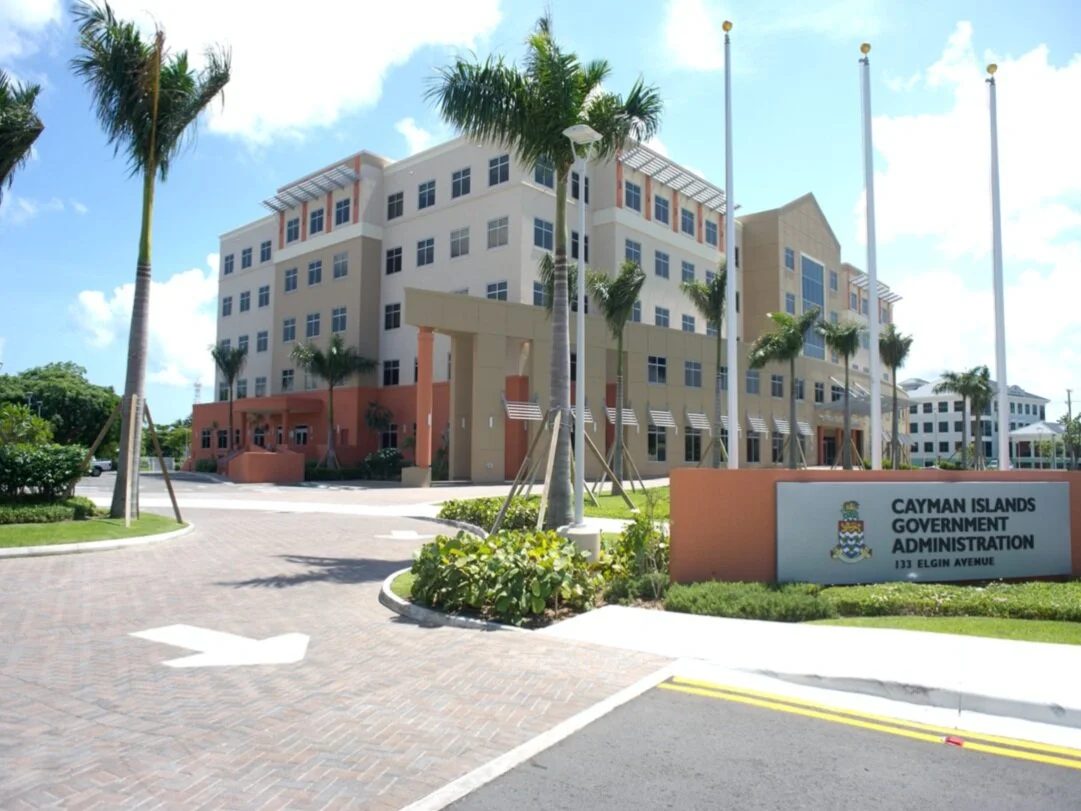
GEORGE TOWN. The Cayman Islands Auditor General, Patrick Smith, reported that his audit of the territory's 2025 public accounts identified 315 adjustments worth CI$172.5 million across government bodies, along with six qualified audit opinions, a marked increase from the year before. In 2024 the auditors issued one qualified opinion. On both measures, the quality of the numbers that Cayman's public bodies first submitted has deteriorated, even as the territory's finances remain, in the aggregate, healthy.
Smith was careful to frame what the figures are and are not. They are corrections to financial statements, the differences between what public bodies reported and what the auditors judged to be accurate, not evidence that money has gone missing. A correction can be a misclassification, a timing difference, or an error in how an asset is valued, all of which are routine in public accounting.
The concern is not theft. It is competence, and consistency, in how the territory keeps its books.
Why the trend matters more than the total
The six qualified opinions are the part that should hold attention. A qualified opinion is an auditor's way of saying that some portion of a set of accounts could not be verified to the standard required. All six fell on statutory authorities and government companies, the arm's-length entities that sit beside the core ministries.
Going from one such opinion to six in a single year is not a rounding error. It suggests that the bodies operating at a remove from central government finance are where the reporting weakness concentrates, and those are the entities that handle large commercial transactions on the public's behalf.
Cayman is one of the world's major international financial centers, a jurisdiction whose economic model rests on the credibility of its institutions. A territory that sells itself as a place of sound governance cannot be relaxed about a rising tally of accounting corrections in its own public sector, however benign each item. The constructive reading is that the system is working as designed.
The adjustments were caught, the qualified opinions were issued, and the public was told, which is what an independent audit function exists to do. Still, the direction of travel over two years, more corrections and more qualifications, is a signal to the territory's financial managers that the back office needs attention.
Sources: Cayman News Service, $172.5M of mistakes plague public accounts (caymannewsservice.com/2026/10/172-5m-of-mistakes-plague-public-accounts/).
Read more at The Caribbean Ledger ›