Grenada votes Thursday, and the ballot is really about the grocery bill
Dickon Mitchell asks Grenadians for a second term on his record. Emmalin Pierre leads the New National Party into its first election without Keith Mitchell at the top. A third party complicates the arithmetic in a 15-seat House where eight is everything.
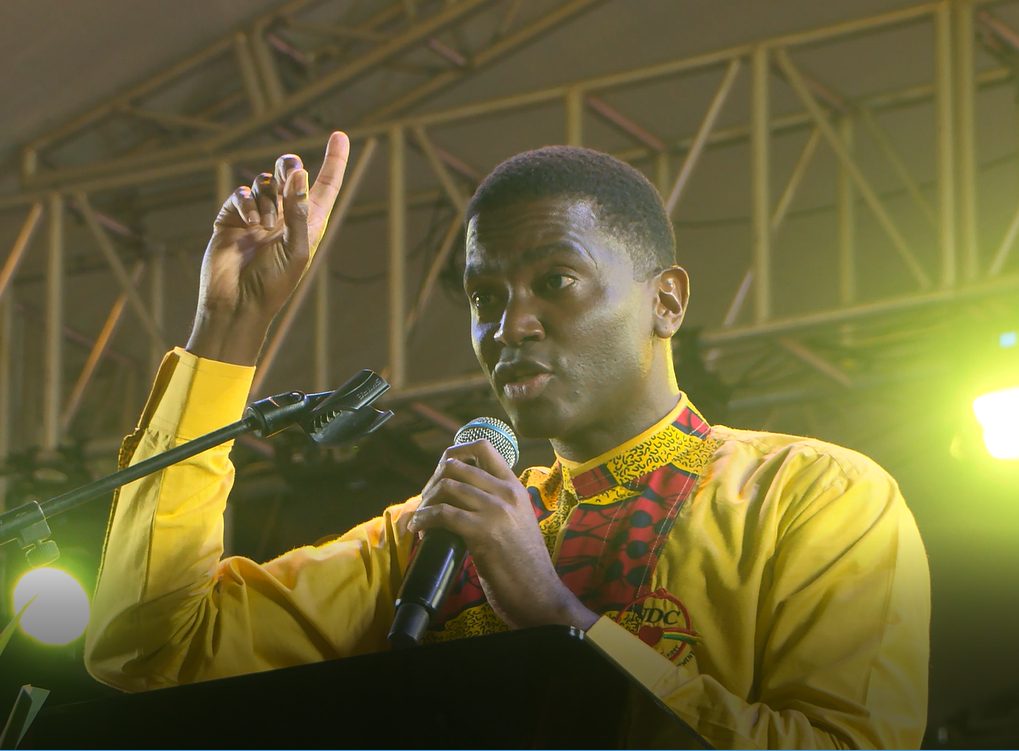
ST. GEORGE'S. Grenadians go to the polls on Thursday, November 5, in a general election that the incumbent called almost a year ahead of the constitutional deadline.
Stripped of the rally bunting and the sound-truck music, it comes down to a single question most households can answer without a pollster: has the cost of living gotten better or worse? The arithmetic is simple. There are 15 seats in the House of Representatives, eight make a majority, and 46 candidates are chasing them.
Everything else is detail.
Prime Minister Dickon Mitchell leads the National Democratic Congress into the vote seeking a second term. He swept into office on June 23, 2022, winning nine seats to the New National Party's six. That result ended the long dominance of Keith Mitchell, whose party had governed for most of the previous two decades.
Nomination day was October 15, 2026. The man who beat the New National Party now asks voters to let him finish what he started.
A party without its patriarch
The New National Party arrives at this election changed in a way that matters more than any manifesto line. For the first time in a generation it contests a national vote without Keith Mitchell at the helm. He stepped down as political leader in 2024, and Emmalin Pierre, the opposition leader, now leads the party.
The NNP governed from 1995 to 2008 and again from 2013 to 2022, so it is not an untested outfit. But a party that organized itself for decades around one figure is asking voters to trust the institution rather than the man, and that is a different proposition.
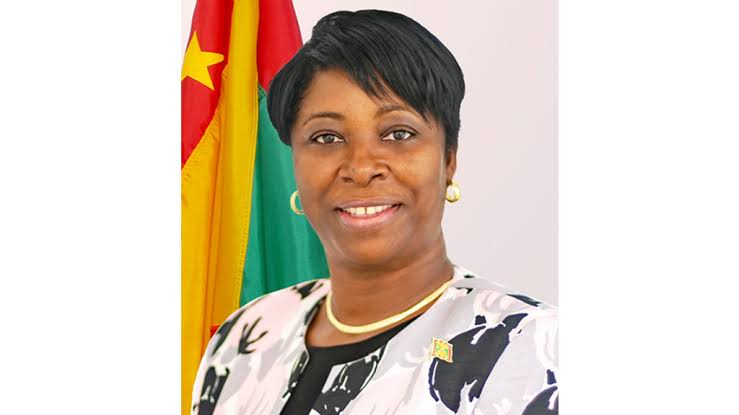
Pierre's central economic pledge is a cut in the corporate tax rate from 28% to 25%. It is aimed at business owners and at the investors the island courts for its hotels and its citizenship program. It is a supply-side argument: lower the cost of doing business, and the jobs and the price relief will follow.
Mitchell's pitch is the harder one to make in a tight economy, because it is a record he must defend rather than a promise he can offer fresh. His government has put the grocery basket at the center of its term, the same ground it won on in 2022. The leaders' debate at the Grenada Trade Centre in St.
George's on October 28 listed the cost of living among its themes. The prime minister's argument is continuity: steady prices, protecting the citizenship-by-investment revenue the government counts on, and keeping the schools and clinics running takes more than one term.
A third party in the race
What complicates the two-party story is a third entrant. The Democratic People's Movement, launched in November 2025 and led by Peter David, is contesting nine of the 15 constituencies. David has been foreign affairs minister twice, under Tillman Thomas and under Keith Mitchell.
He left the New National Party in January 2025 as an independent, then founded the new party later that year. A new party rarely wins seats at its first outing under first-past-the-post. It can, however, change who wins the seats it does not take, by drawing a few hundred votes from the two established camps.
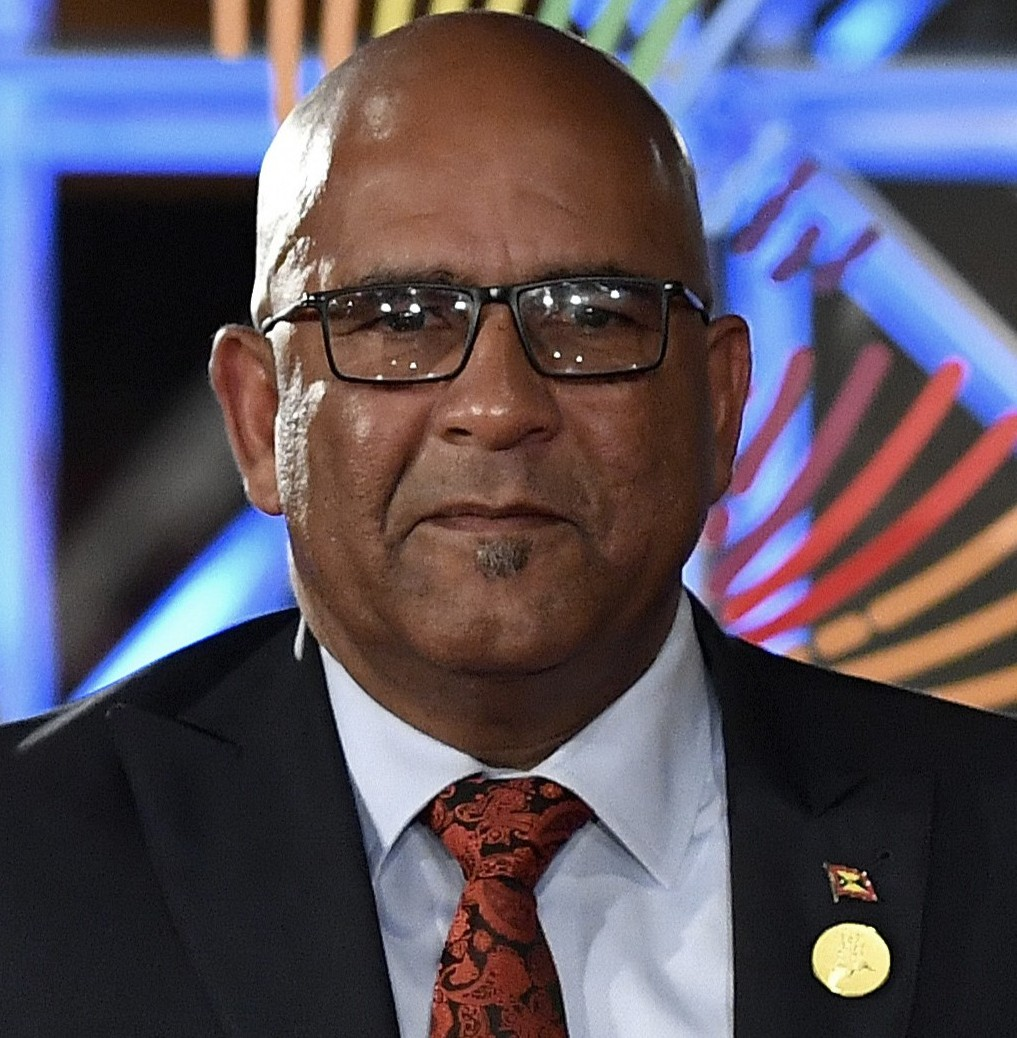
A movement led by a known quantity can peel off voters who want change but are not ready to return to the New National Party. Whether the Democratic People's Movement wins a seat or none, its candidates in nine constituencies are a variable that neither big party fully controls. In a contest this tight, the variables you cannot control are the ones that keep campaign managers awake.
Where the election is actually decided
The seat to watch is St Andrew South-east, a near-perfect distillation of the national contest. Pierre defends a constituency she won in 2022 by about 230 votes, against the National Democratic Congress's David Andrew, the education minister. A margin that thin makes the seat live, and because it belongs to the opposition leader, it carries weight beyond its borders.
A party leader who loses her own seat rarely leads for long, whatever the national count. Both camps know it, and both have poured resources into the corner of the island that has suddenly drawn national attention.
Beyond that marquee fight, the map is a patchwork of familiar variables: parish strongholds, rural seats with local loyalties, and constituencies where a popular candidate can outrun the party label. With 46 names on the ballots across 15 seats, several races will be three-cornered, which makes the outcome harder to call than the national mood alone would suggest.
The numbers, and the humility they require
Public polling in Grenada is thin. The only online survey reported during the campaign, run by Only Polls from October 5 to 14, drew 904 responses: 63.1% for the National Democratic Congress and 36.9% for the New National Party. It is a self-selected survey with no published margin of error, and it left out the Democratic People's Movement.
It measures online enthusiasm, not seats. Anyone who says with confidence how Thursday ends is selling something. The honest position is that the governing party enters as the favorite, the opposition believes the ground has shifted, and the seats that decide it are close enough that turnout will matter.
Police and other special categories voted on Monday, November 2. On Thursday, polls open at 6:00 a.m. and close at 5:00 p.m. Atlantic Standard Time, and the Organization of American States is fielding an observation mission. Grenada has a long record of accepted results, and nothing in this campaign suggests that will change.
What a small island is really deciding
It is tempting, from a distance, to treat a 15-seat election on a small island as a local curiosity. That would be a mistake. Grenada sits inside the Eastern Caribbean Currency Union, which shares one central bank and one currency across seven neighbors.
The island depends on tourism receipts and on citizenship-by-investment revenue, as several of those neighbors do. How Grenada taxes, spends, and manages its passport program has regional echoes. A corporate tax cut in St.
George's will be read in Castries and Basseterre, and a government's grocery policy will be studied by finance ministers facing the same imported inflation.
The citizenship program is the quiet third rail beneath the whole campaign. The European Union has asked Antigua and Barbuda, Dominica, Grenada, Saint Kitts and Nevis, and Saint Lucia to phase out their citizenship-by-investment programs by June 1, 2028. The revenue helps fund the budget, so whoever wins on Thursday inherits the same squeeze: defend an income stream that pays for the manifesto while satisfying regulators abroad who see it as a risk. Neither the National Democratic Congress nor the New National Party has an easy answer, which is why neither spends much of the campaign talking about it.
For Grenadians, the stakes are closer to home. This is the first election in a generation that the New National Party fights without the figure who defined it, and the first real test of whether Dickon Mitchell's 2022 breakthrough was a verdict on one tired government or the start of something more durable. The grocery bill is the lens, but the deeper question is the one every young governing party eventually faces: was it a moment, or is it a movement?
On Thursday evening, as the boxes come in and the country waits on a few hundred votes in a single seat, the island will begin to answer it. The Ledger will carry the result once it is counted and confirmed.
Sources: Rio Times, Grenada fields 46 candidates for November 5 (riotimesonline.com/grenada-fields-46-candidates-november-5); Rio Times, Grenada leaders debate before the vote (riotimesonline.com/grenada-leaders-debate-tonight-before-vote); Jamaica Gleaner, Mitchell calls early election, October 6, 2026; Wikipedia, 2022 Grenadian general election; Wikipedia, Peter David (politician); BusinessDay, five Caribbean countries facing EU citizenship-by-investment ban.
Read more at The Caribbean Ledger ›