Keisha Lance Bottoms wins Georgia's governor's race and ends two decades of Republican control of the office
Bottoms, a former Atlanta mayor, defeated billionaire Rick Jackson on November 3. Her win returns the governor's office to Democrats for the first time in more than two decades.
 Fletcher St. Jean · November 4, 2026
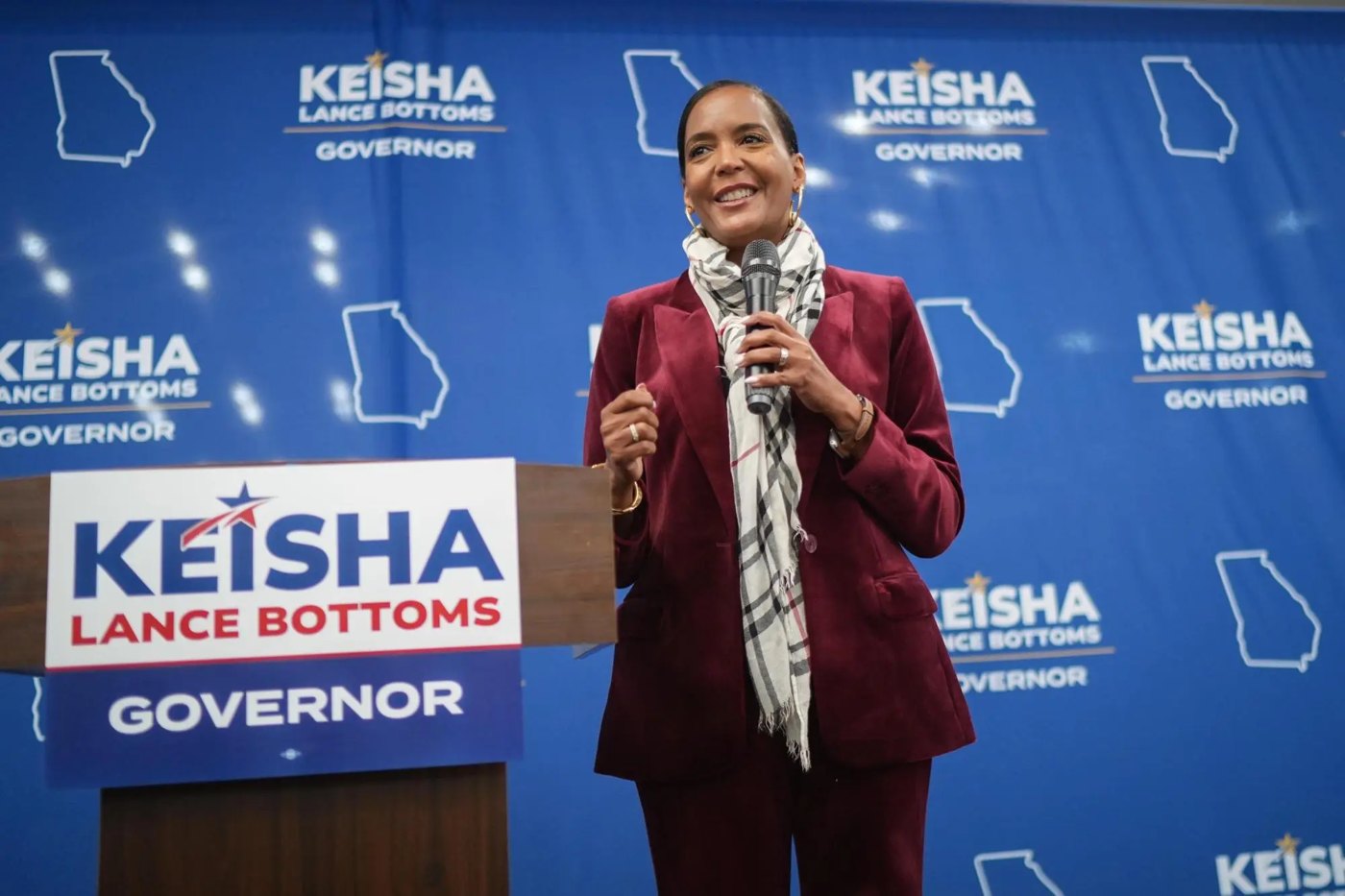
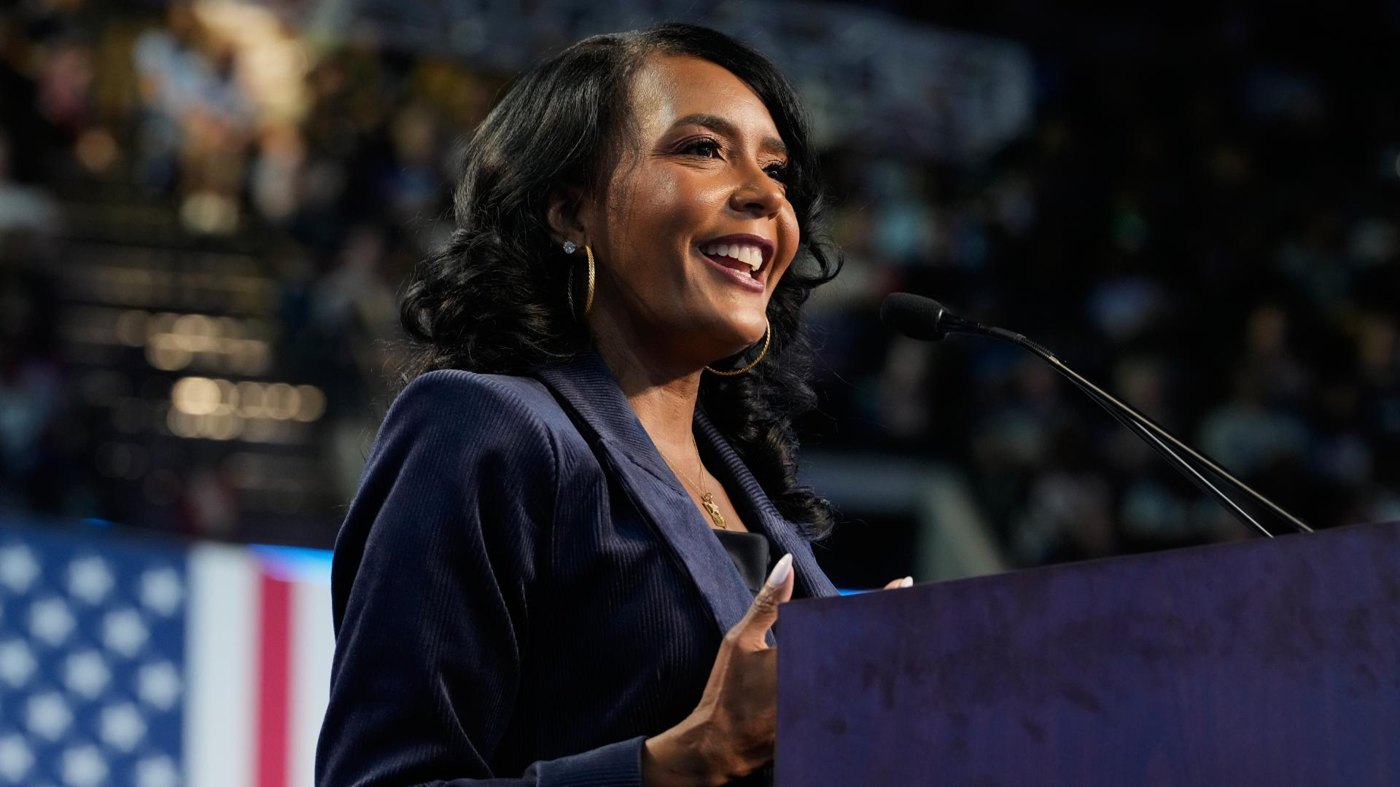
ATLANTA. Keisha Lance Bottoms won the Georgia governor's race on Tuesday, November 3, and with it returns the state's top office to Democrats for the first time in more than two decades. CBS News projected her the winner over Republican Rick Jackson, a billionaire health care figure who had beaten Lieutenant Governor Burt Jones in the Republican runoff.
The result carries history on more than one count. CBS News reported that Bottoms will become Georgia's first woman governor and the first Black woman to serve as governor anywhere in the United States. Other outlets used similar language. Those claims depend on how earlier officeholders are counted, so they deserve a careful footnote before they go into a headline.
The simpler point is the one that matters most: a former city council member and Atlanta mayor now leads the state government.
The primary that set the table
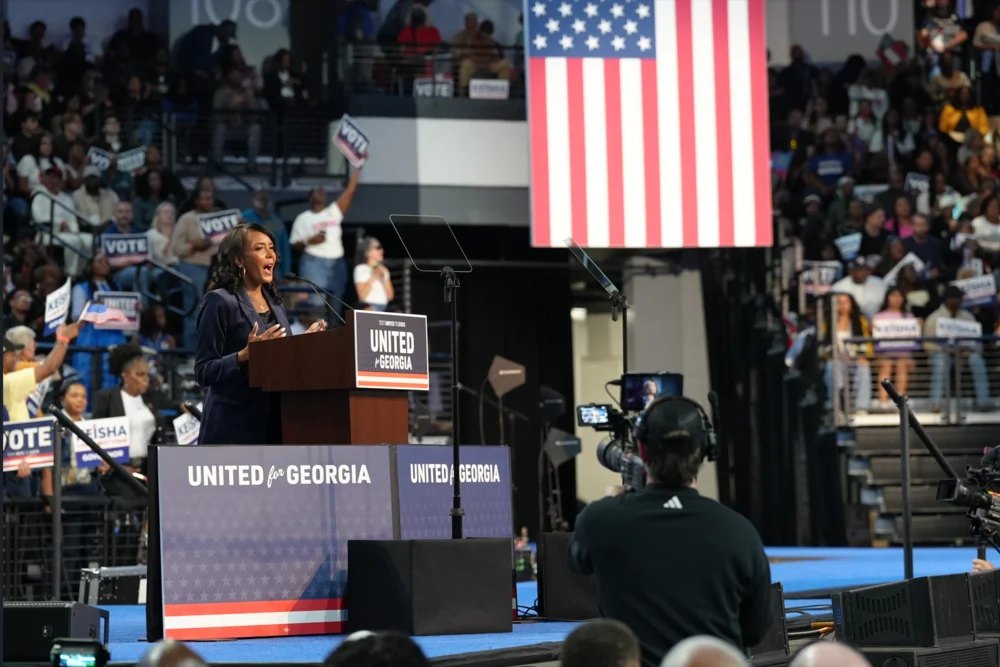
Bottoms won the Democratic primary in May with more than 50 percent of the vote, which avoided a runoff. In a crowded field, that matters. A runoff drains money, forces a candidate to spend the general election recovering from a bruising contest, and gives the other side months to define the nominee. Bottoms went into the fall with the nomination secure and her own message to deliver.
Her background gave her a case to make. She served on the Atlanta City Council, was mayor of the city from 2018 to 2022, and later worked as a senior adviser in the Biden administration, according to CBS News. Those are the credentials of an experienced public official. In a state where the governor shapes the budget, the state workforce and the economic development deals that bring jobs, experience is a point she can press with voters.
What she inherits
Bottoms succeeds Republican Governor Brian Kemp, who was barred from seeking a third consecutive term. Georgia's economy has grown quickly over the past decade, anchored by Atlanta's business community and by the Port of Savannah, one of the busiest container ports on the East Coast. A governor does not run the port, but the governor's office shapes the tax incentives, infrastructure and workforce programs that decide whether companies build and ship from Georgia.
That is why the race reaches beyond the state line. Georgia is a major hub for logistics, manufacturing and air travel in the Southeast. For readers in the Caribbean, the region's trade, shipping and airline routes increasingly run through East Coast gateways, and policy decisions made in Atlanta can affect the cost and speed of goods and travel between the two regions.
The opponent
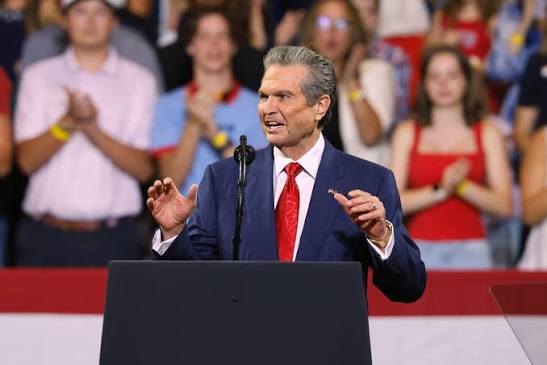
Jackson's path to the nomination ran through a runoff against Burt Jones, the sitting lieutenant governor. That tells you the Republican electorate was not fully united behind the party's preferred choice. Jackson brought personal wealth and a business profile to the race, and his campaign showed how much a candidate with his own money can shape a contest. The Libertarian candidate, Chase Oliver, who was the party's 2024 presidential nominee, also appeared on the ballot.
A two-candidate contest for an open governor's seat rarely turns on a single issue. It turns on whether voters trust a candidate to handle the everyday costs that shape their lives and whether they believe that candidate's plan will last beyond the first year. Bottoms had to answer those questions across a state that is larger and more varied than its largest city.
Why the first claims matter
The firsts are worth stating carefully because they can overshadow the work ahead. Being the first woman to hold an office is a milestone in itself, and CBS News describes Bottoms in those terms. But the historical record for a state with a long history of governors is detailed, and claims of being first anywhere in the country require the kind of checking that a Big Read owes its readers. This column treats the historic framing as a starting point, not a conclusion.
Atlanta has long been the center of Black political leadership in Georgia. A governor who came up through that tradition brings a set of relationships, a view of the city and metro region, and an understanding of the coalitions that won in statewide contests. Those assets matter in the first months of a new administration, when appointments and early budget decisions set the tone.
What to watch
A governor's first year is measured by the people appointed, the budget proposed and the bills that reach the desk for signature. Watch the cabinet picks, the early policy priorities and whether the new administration builds working relationships with the legislature that will write the state budget. A governor who wants to deliver on a campaign has to turn promises into legislation, and that requires a team that can negotiate across the aisle.
The historic headlines will fade. What remains is whether a governor who spent much of her career in city government can turn a campaign victory into a working agenda for a state of more than 10 million people. That is the test Georgia's voters will judge in the years ahead, and it is the test this column will follow.
Read more at The Caribbean Ledger ›