Democrats take all of Congress, and the Caribbean recalculates Washington
A clean sweep of the House and Senate changes the arithmetic of power in Washington without changing who sits in the White House. For the region, the consequences run through immigration, Venezuela and the money that crosses the water every month.
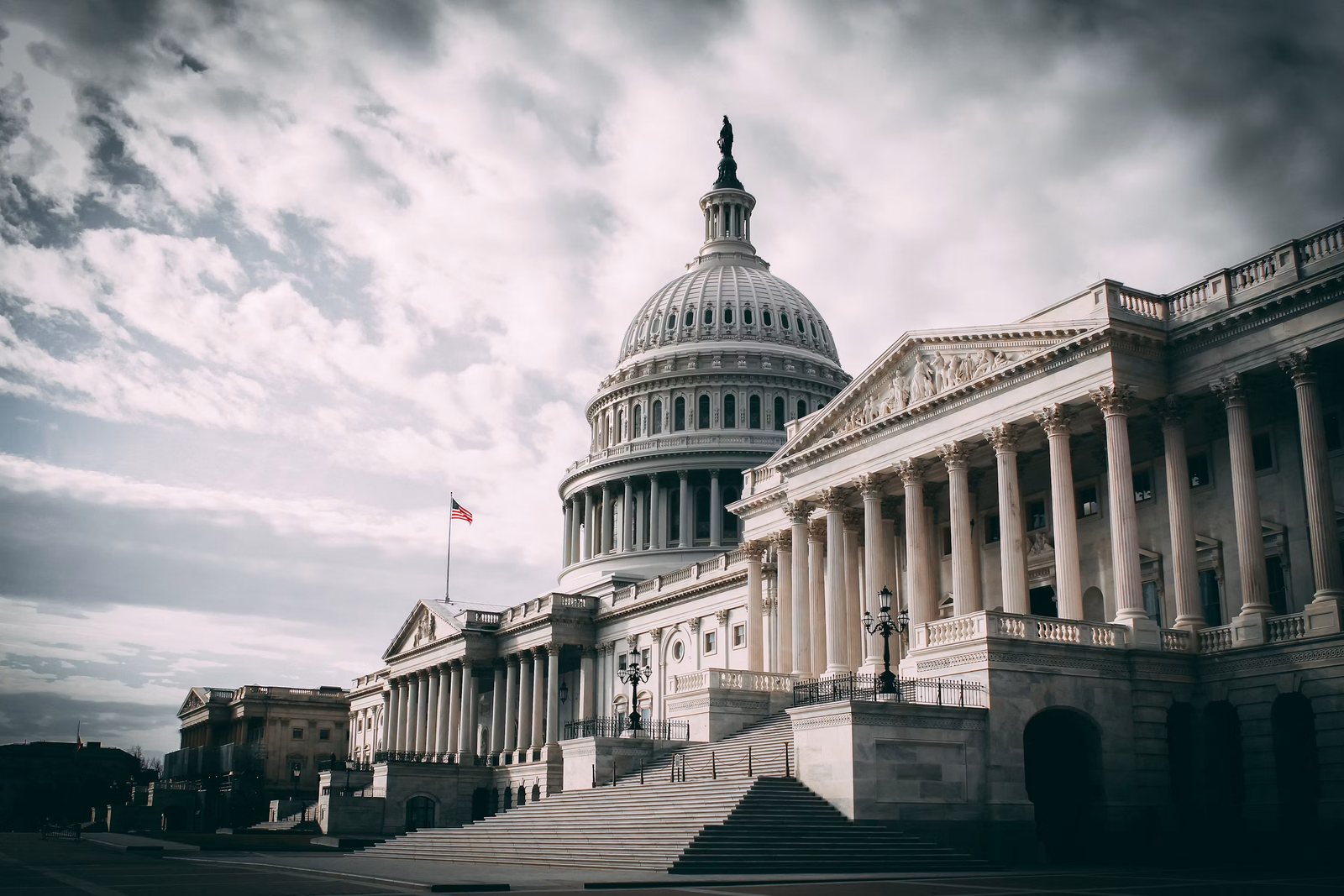
WASHINGTON. The United States held its midterm elections on November 3, and by the following day the result was not in serious doubt. Democrats won control of both the House of Representatives and the Senate, a clean sweep of Congress reported by CBS News, NBC News and CNBC, with CNBC noting that Republicans failed to flip a single competitive seat. It is a sharp rebuke to President Donald Trump two years into his term, and it resets the balance of power in Washington even though the presidency itself was not on the ballot.
A result like this matters to the Caribbean for a reason that has nothing to do with party loyalty and everything to do with proximity. No region outside the United States is more directly shaped by what Washington decides, and divided government, with a Democratic Congress facing a Republican White House, changes which decisions are possible. The region does not get a vote, but it gets the consequences, and it is worth reading those consequences soberly rather than hopefully.
Immigration and the people who send money home
The most immediate Caribbean interest runs through immigration. Caribbean diaspora communities in New York, Florida and across the northeast are large, settled and economically vital to the islands they came from, and they have spent two years watching an administration pursue the most aggressive deportation posture in modern memory. A Congress controlled by the other party cannot by itself set immigration policy, which the executive branch drives, but it controls the money, the oversight hearings and the legislative calendar, and it can slow, defund or publicly contest enforcement choices that it opposes.
That tension matters to the region in hard currency. Remittances, the money that migrants wire home to family, are among the largest and most reliable sources of foreign exchange for several Caribbean economies, steadier than tourism and larger than most forms of aid. Anything that threatens the earning power or the legal status of Caribbean workers in the United States is, in effect, a threat to household budgets from Kingston to Port-au-Prince. A legislative branch willing to check the pace of deportations is, for those households, a stabilizing development rather than an abstract one.
Venezuela, and the ships off the coast
The second consequence is strategic. Washington has spent the past year deepening its military and security footprint in the Caribbean, with the pressure campaign on Venezuela as its organizing purpose. For the islands, that has meant naval activity in their waters, intelligence arrangements signed in their capitals and a sharpened awareness that great-power rivalry is being conducted on their doorstep rather than someone else's. A Democratic Congress with subpoena power and control of appropriations now has the tools to demand justification for that posture, to hold hearings on its legality and cost, and to attach conditions to the funds that sustain it.
Whether it chooses to use those tools is a separate question, and the region should not assume it will. Hawkishness toward Venezuela is not confined to one American party, and a Congress with a thin majority and a crowded agenda may decide the Caribbean theater is not where it wants to spend its oversight capital. But the possibility of a check now exists where before there was none, and that alone shifts the calculations of every government in the region that has had to decide how closely to align with the American campaign.
Trade, aid and the longer game
The third consequence is slower and less dramatic. Congress writes the tax code and the trade rules, and a change of control changes the odds on the things the region quietly cares about: the renewal of trade preferences, the appetite for development financing, the treatment of nearshoring incentives that could pull supply chains closer to this hemisphere, and the funding of the multilateral institutions the islands depend on for climate and disaster money. None of this moves overnight, and divided government is a recipe for gridlock as often as for action. But the direction of travel on each of these files is now set by a different hand than it was a week ago.
The sober conclusion is that a Democratic Congress is not a gift to the Caribbean, and treating it as one would be a mistake. It is a change in the odds, a new set of constraints on an administration whose instincts on migration and on force the region has reason to watch closely. Washington remains the single largest external fact in Caribbean life, and the islands that do best are the ones that read it clearly rather than wishfully. The map of power in the American capital was redrawn on Tuesday, and turning that into advantage, or simply into less exposure, now belongs to the region's own diplomats.
Read more at The Caribbean Ledger ›