Anguilla buys 217 acres of its own south coast for US$19.8 million
The government won a public auction for a connected block of 98 parcels, a bet that owning the land is cheaper than watching it sold off piece by piece.
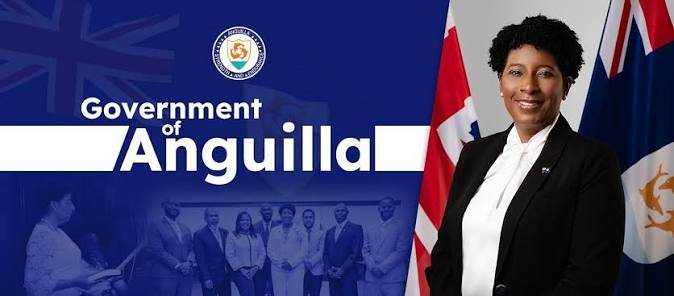
THE VALLEY. The government of Anguilla has acquired 217.35 acres of land on the island's south coast for US$19,811,268, winning a public auction for a single connected block of 98 parcels, Premier and Minister of Finance Cora Richardson Hodge announced in a national address reported by Anguilla Focus on October 30. The purchase works out to roughly US$90,000 an acre, and the winning bid sat just above the US$19.8 million reserve set for the sale, which was conducted by Orion Credit Management.
The parcels, numbered 160 through 257, form a contiguous stretch rather than a scatter of lots, and that is the point. 'This is a novel and rare opportunity to acquire the connecting large area of parcels,' Richardson Hodge said, framing the deal as 'a strategic investment in Anguilla's future.' For a small island where usable coastal land is finite and fiercely contested, the chance to secure a large, unbroken holding in a single transaction does not come often.
Why own it rather than watch it sell
The logic behind a government buying land on its own island is less obvious than it looks, and worth setting out. Left to the market, a connected block of prime south-coast parcels would most likely be broken up and sold to the highest bidders, often foreign investors, parcel by parcel. Once that happens, the land is gone from public control for a generation, and any future need for it, whether for tourism development on the state's own terms, for public infrastructure or for orderly planning, has to be met by buying it back at a far higher price. Acquiring the whole block now, while it is available as one lot and near its reserve price, is an attempt to keep the island's options open rather than close them.

It is also a fiscal bet, and not a small one for an economy of Anguilla's size. Nearly US$20 million is real money on a balance sheet that depends heavily on tourism receipts and financial-services fees, both of which swing with the global economy and the weather.
The return on the purchase is not immediate: it depends on the government later putting the land to productive use, whether through a managed development, a lease that generates recurring income, or simply the appreciation of a scarce asset held in public hands. The risk is that public money is tied up in dirt while other needs go unmet, and the opportunity is a controlling stake in the island's own coastline.

That Richardson Hodge holds both the premiership and the finance portfolio concentrates responsibility for the decision in one office, which cuts both ways. It allows a government to move decisively on a time-limited auction without the friction of a divided cabinet, and it leaves no ambiguity about who will answer for the result.
The judgment of whether US$19.8 million for 217 acres was shrewd or extravagant will not be settled for years. What is settled is that a connected stretch of Anguilla's south coast that could have passed into private hands, lot by lot, is now owned by the public, and the island will decide for itself what to do with it.
