Bermuda counts 290 empty, unusable homes, and asks the public how to fill them
A government consultation proposes turning derelict and abandoned properties into housing, in a jurisdiction where the gap between empty buildings and priced-out families has become hard to ignore.
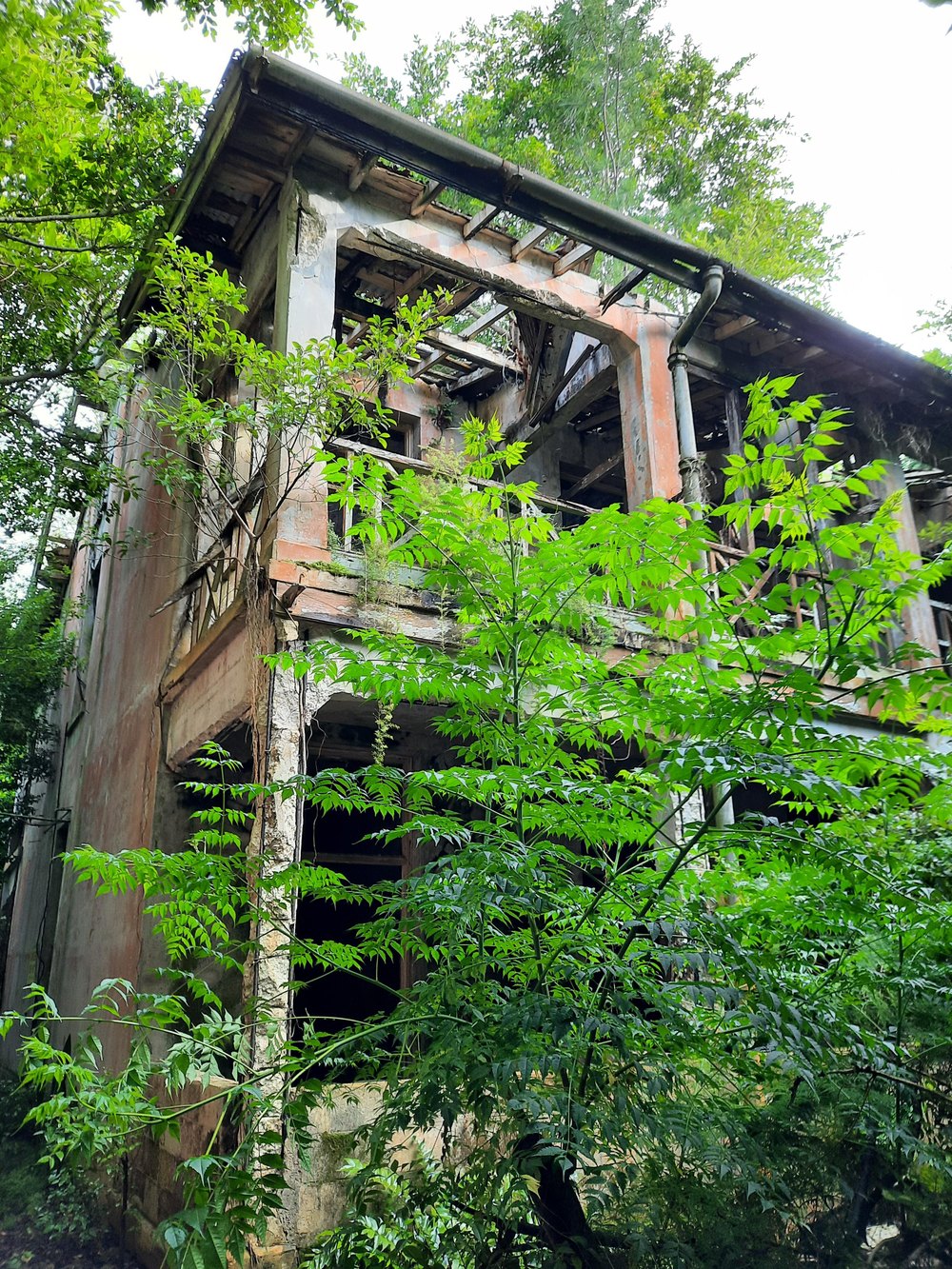
HAMILTON. The Bermuda government has opened a public consultation on a plan to convert derelict and abandoned properties into housing for Bermudian families, The Royal Gazette reported on November 4. The consultation document, titled a Proposed Framework for Derelict and Abandoned Properties, identifies at least 290 uninhabitable units at 218 addresses across the island, a concrete count of the empty buildings sitting idle while the cost of a home remains out of reach for many residents. Submissions are open until December 4.
Housing and Municipalities Minister Zane DeSilva framed the effort as a search for workable answers rather than a threat to property owners. The ministry wants to 'explore practical solutions that can help resolve longstanding ownership and estate issues,' he said, adding that enforcement or acquisition of a property would be used 'only as a last resort.' The careful phrasing matters, because the properties in question are not simply empty. Many are tangled in exactly the kind of inheritance disputes, unclear title and estate complications that keep a building standing but unusable for years.
Empty buildings, priced-out families
The paradox the framework addresses is a familiar one in expensive, land-scarce jurisdictions, and Bermuda is among the most expensive and most land-scarce on earth. The island cannot easily build its way out of a housing shortage, because there is very little land left to build on, which makes every habitable structure valuable and every uninhabitable one a waste the territory can ill afford. A count of 290 unusable units is, in that light, not just an eyesore problem. It is a quantity of potential housing sitting locked up by legal and financial knots while families compete for what remains on the market.

Untangling those knots is harder than identifying them, which is why the consultation leads with process rather than compulsion. A property can sit derelict because its owner has died without a clear will, because heirs cannot agree or cannot be found, because the cost of renovation exceeds what the owner can raise, or simply because no one with authority has the incentive to act. Each of those requires a different remedy, and heavy-handed acquisition is both legally fraught and politically risky in a place where property rights are fiercely held. The 'last resort' language is a recognition that the government would rather enable owners to bring buildings back into use than seize them.
What the framework does achieve, before any policy is settled, is to put a number on a problem that has long been discussed in the abstract. By identifying 290 units at 218 addresses and inviting the public to weigh in through December 4, the government has moved the conversation from complaint to inventory. Whether the eventual policy manages to convert even a fraction of those buildings into homes will depend on the fine print still to be written. But a jurisdiction that knows exactly how many empty, unusable homes it has, and where they are, is better placed to do something about them than one that only knows it has too few places to live.
