Wheatley puts land and a mortgage guarantee at the center of the BVI's 2027 budget
The Premier's spending plan leads with a home-ownership program for belongers, Crown land, mortgage backstops and water repairs, in a territory where property has become the fault line between residents and the market.
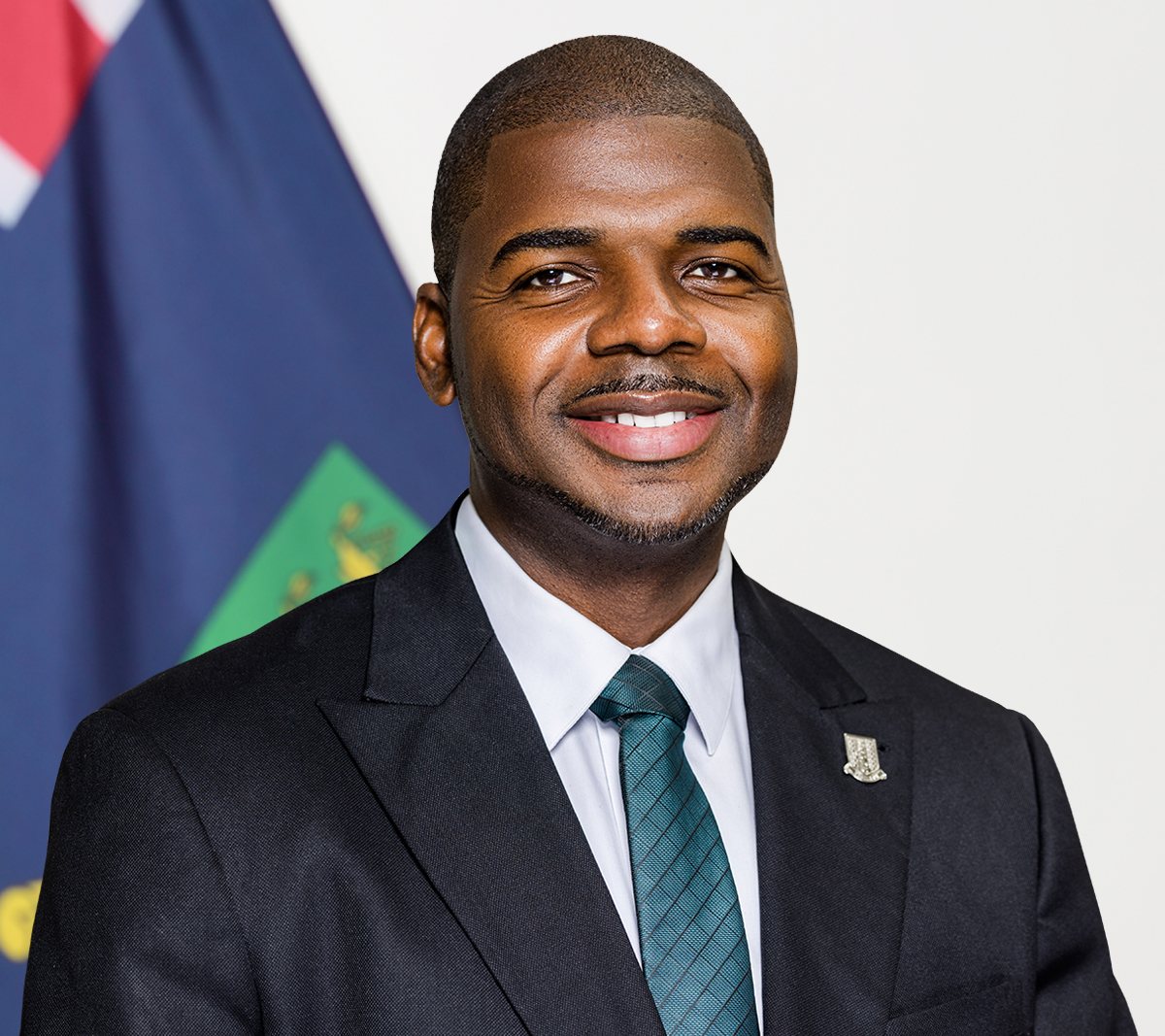
ROAD TOWN. Premier and Minister of Finance Dr. Natalio Wheatley delivered the British Virgin Islands' 2027 Budget Address to the House of Assembly on November 4, and the headline he chose to lead with was not a tax rate or a growth forecast. It was a house. The government, he announced, will launch a home-ownership program designed to put property within reach of eligible Virgin Islanders and belongers, offering access to Crown land together with mortgage guarantees meant to help families clear the hurdle that stops most first-time buyers before they start.
'For many families, the greatest ambition is a home of their own,' Wheatley told the House, according to BVI News. It is a line that would sound ordinary anywhere else. In the British Virgin Islands it is close to a political fault line, because in one of the Caribbean's wealthiest and most expensive territories, the gap between what residents earn and what land costs has widened into a genuine grievance.
The mechanics matter here, because housing promises are cheap and delivery is not. Offering Crown land addresses the supply side of the problem, since the government controls parcels that the open market has priced out of ordinary reach. Mortgage guarantees address the demand side, because the obstacle for most working buyers is not the monthly payment so much as the deposit and the bank's appetite for risk, and a government that stands behind part of the loan can move a family from renting to owning without writing the whole check itself. Whether the program reaches the families who need it most, rather than those already close to qualifying, will be the measure of it.

Wheatley paired the housing push with the unglamorous spending that makes a small territory livable. The budget sets aside close to $6 million for repairs to the water network and reservoirs, with named works at Fort Hill, Balsam Ghut and Minton Hill, and roughly $1 million for roads and services on government estates. Water is not an abstraction in the Virgin Islands. Reliable supply is the difference between a functioning neighborhood and a daily scramble, and reservoir repair is the sort of line item that wins no headlines until the taps run dry.
A belonger economy under strain
The politics of the budget turn on a single word that outsiders often miss: belonger. Belonger status is the territory's marker of who truly belongs to the Virgin Islands, and it governs who can own land freely and who must seek a license to do so. In a place where financial services and high-end tourism have pulled property values far above local wages, land ownership has become the clearest line between those who share in the territory's prosperity and those who merely work inside it. By aiming the program explicitly at Virgin Islanders and belongers, Wheatley is answering a demand that the boom should reach the people whose families built the place, not only the capital that arrived to enjoy it.
That demand has teeth because the BVI's wealth is real but narrowly based. The territory is one of the world's largest domiciles for incorporated companies, and the fees those registrations generate underwrite a large share of public revenue. Tourism, anchored by yachting and villa rentals, supplies the rest, and both are lucrative and both are exposed, the first to shifts in global tax rules and transparency pressure, the second to the weather and the mood of high-end travelers. A budget that spends on housing and water is, among other things, an attempt to convert fragile external income into something durable and local.
The continuation of the one-year stamp-duty waiver for first-time belonger purchases sits inside the same logic. Transaction taxes are a real barrier at the moment of purchase, and waiving them for first-time local buyers is a modest but direct nudge toward ownership. Stacked on top of Crown land access and mortgage guarantees, it is a coherent package rather than a single gesture, which is more than many housing announcements in the region can claim.

The test is delivery
The hard part begins now. Crown land has to be surveyed, serviced and allocated through a process that is seen to be fair, or the program becomes a new grievance rather than a cure for an old one. Mortgage guarantees have to be structured so that the government's contingent liability is understood and contained, because a backstop that is never priced can become an expensive surprise in a downturn. And the water and road works have to actually be built, on budget and on time, in a territory where capital projects have a habit of slipping.
Wheatley has set the terms on which his government will be judged over the coming year, and he has chosen to be judged on whether ordinary Virgin Islanders can buy a home and turn on a reliable tap. Those are concrete promises, which is both their strength and their risk. Residents will know within a year or two whether the Crown land appears, whether the guarantees move banks to lend and whether the reservoirs hold water. For a budget, that kind of clarity is rarer than it should be, and it deserves to be taken at its word and then checked against the result.
Read more at The Caribbean Ledger ›