Sint Maarten's utility orders three new engines, and promises reliability by 2028
GEBE signs for nearly 28 megawatts of new Wartsila capacity in a US$70 million project, most of it financed through The Hague, in a bid to end the island's long record of outages.
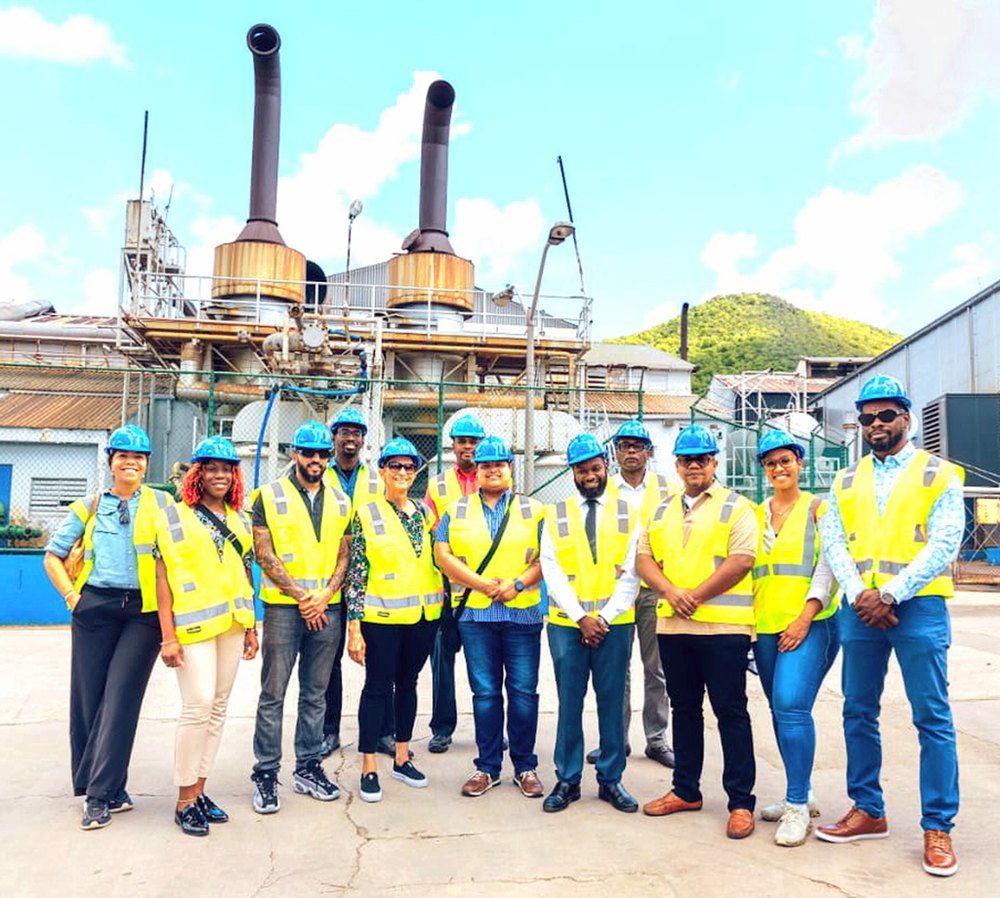
PHILIPSBURG. Sint Maarten's utility company GEBE has signed agreements for three new Wartsila generators, adding nearly 28 megawatts of capacity in a project costing just over US$70 million, The Daily Herald reported on November 4. Each of the three engines is rated at 9.3 megawatts, for a combined 27.9 megawatts, and US$42 million of the cost is being financed by the government through a loan from the Netherlands. On-site work is due to begin in June 2027, with commissioning expected in 2028.
Prime Minister Dr. Luc Mercelina framed the investment in terms the island's residents will understand immediately, as a move from merely keeping the lights on toward keeping them on dependably. The upgrade, he said, would 'move the dial from stability to reliability.' The distinction is not rhetorical on an island where power interruptions have been a recurring fact of life. Stability is the absence of collapse, while reliability is the quieter promise that the supply can be counted on, day after day, without the hedging that households and businesses have learned to build into their routines.
The cost of unreliable power
For a small tourism-dependent economy, electricity reliability is not a technical footnote. It is a competitiveness issue. Hotels, restaurants and the cruise-linked businesses that anchor Sint Maarten's economy cannot absorb frequent outages without cost, whether in spoiled inventory, idle staff, the expense of running private generators as backup, or the reputational damage of guests sitting in the dark. Every megawatt of firm, reliable capacity added to the grid is, in effect, a subsidy to the island's entire visitor economy, and a reduction in the hidden tax that unreliable power imposes on everyone connected to it.

The financing structure is as significant as the engines. With US$42 million of the project funded through a loan from the Netherlands, the upgrade is also a chapter in the continuing financial relationship between Sint Maarten and The Hague, the same relationship being argued over across the Dutch Caribbean. Borrowing from the Netherlands to build core infrastructure is cheaper than most alternatives available to a small island, but it deepens a dependence that Sint Maarten's politics has at times chafed against. The island gets reliable power sooner and at a lower interest cost, but it also takes on an obligation that ties its utility's future to terms set in part in Europe.
The timeline is the part residents will watch most closely, because infrastructure promises are easy to announce and slow to deliver. Work beginning in June 2027 and commissioning in 2028 means Sint Maarten's power problems are not solved this year or next, and the island will pass through at least two more hurricane seasons on its existing fleet before the new engines come online. The named officials attached to the deal, from GEBE's temporary manager Iris Arrindell to Wartsila's Mathias West and the ministers who signed, have put their credibility on a schedule. Whether 2028 arrives with the promised reliability, or with the familiar sound of a project running late, is the test that matters.
