Stacey Plaskett wins the governorship, and makes American history doing it
The territory's longtime delegate to Congress takes Government House in a landslide, becoming the first Black woman elected governor anywhere in the United States or its territories. The symbolism is historic. The in-tray is daunting.
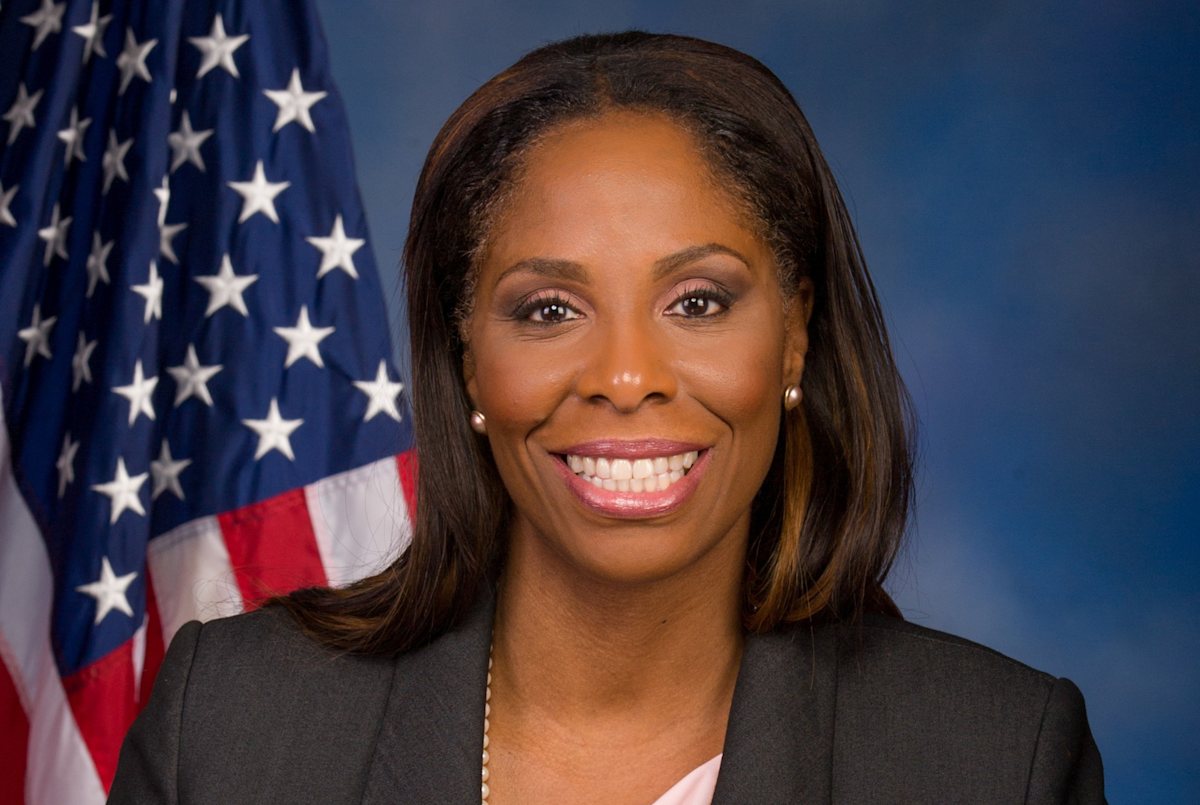
CHARLOTTE AMALIE. The United States Virgin Islands elected a new governor on November 3, and the result was both a landslide and a landmark.
In unofficial returns reported by The Virgin Islands Consortium, the ticket of Delegate to Congress Stacey E. Plaskett and Senate President Milton E. Potter took 11,865 votes, 62.8% of the gubernatorial ballots cast, finishing 9,358 votes clear of the nearest challenger. With that margin, Plaskett becomes the first Black woman ever elected governor anywhere in the United States or its territories.
The scale of the win was not close to being in question. The nearest tickets, Donastorg and Nelson with 2,507 votes and Benta and Potter with 2,273, were left far behind. In her final remarks as the territory's delegate to Congress, Plaskett framed the moment in terms larger than the office.
'Liberty is not a monument. It is a practice,' she said. Certification of the result is set for November 13, and the inauguration for January 4, 2027.
From the House floor to Government House
Plaskett arrives at the governorship with a national profile unusual for a territorial politician. As the Virgin Islands' non-voting delegate to the United States House of Representatives, she became one of the most recognizable Caribbean-American figures in Washington, a frequent presence on the committees and in the televised hearings that define contemporary American politics. She leaves a seat with a voice but no vote in Congress for an office with real executive power over a territory of roughly 85,000 people, a trade of visibility for authority that will test a different set of skills.
The history she makes is worth stating plainly, because milestones of this kind are rare and they matter to the people who have waited for them. No Black woman had ever been elected governor of a US state or territory before November 3. That it happened in the Caribbean, in a majority-Black territory with deep African and West Indian roots, gives the achievement a particular resonance across the region, where the Virgin Islands are watched as both an American jurisdiction and a Caribbean society.

The in-tray behind the celebration
The problems waiting at Government House are stubborn and well known. The territory's electricity utility has for years delivered some of the most expensive and least reliable power of any United States jurisdiction, a drag on every household budget and every business plan in the islands. The public finances are strained, the cost of living is high, and the territory remains exposed to the hurricane seasons that have twice in recent memory rewritten its economy overnight. None of these yields to symbolism, and all of them will land on the new governor's desk within weeks of her inauguration.
There is also the question of the territory's relationship with a Washington that has just changed shape. Plaskett spent years building relationships in Congress, and she takes office days after her own party won control of both chambers, a potentially useful alignment for a territory that depends heavily on federal transfers, disaster funding and the attention of appropriators. Turning personal standing into durable advantage for the islands is the kind of task that sounds straightforward and almost never is.

For now, the Virgin Islands have made a choice that is historic on its face and practical underneath. They have handed a seasoned Washington operator the keys to a territory with hard problems and thin margins, on the strength of a mandate few governors anywhere can claim.
The symbolism will carry the inauguration in January. After that, the power bills, the storm maps and the federal ledger take over, and the practice of liberty Plaskett invoked becomes the daily work of governing.
