PM Drew cites EC$54 million for STEP workers as government plans path to permanent jobs
Prime Minister Terrance Drew says the government has spent EC$54 million on the Skills Training and Empowerment Programme this year. The government now says it wants a clearer route from STEP into permanent work, though no timetable has been published.
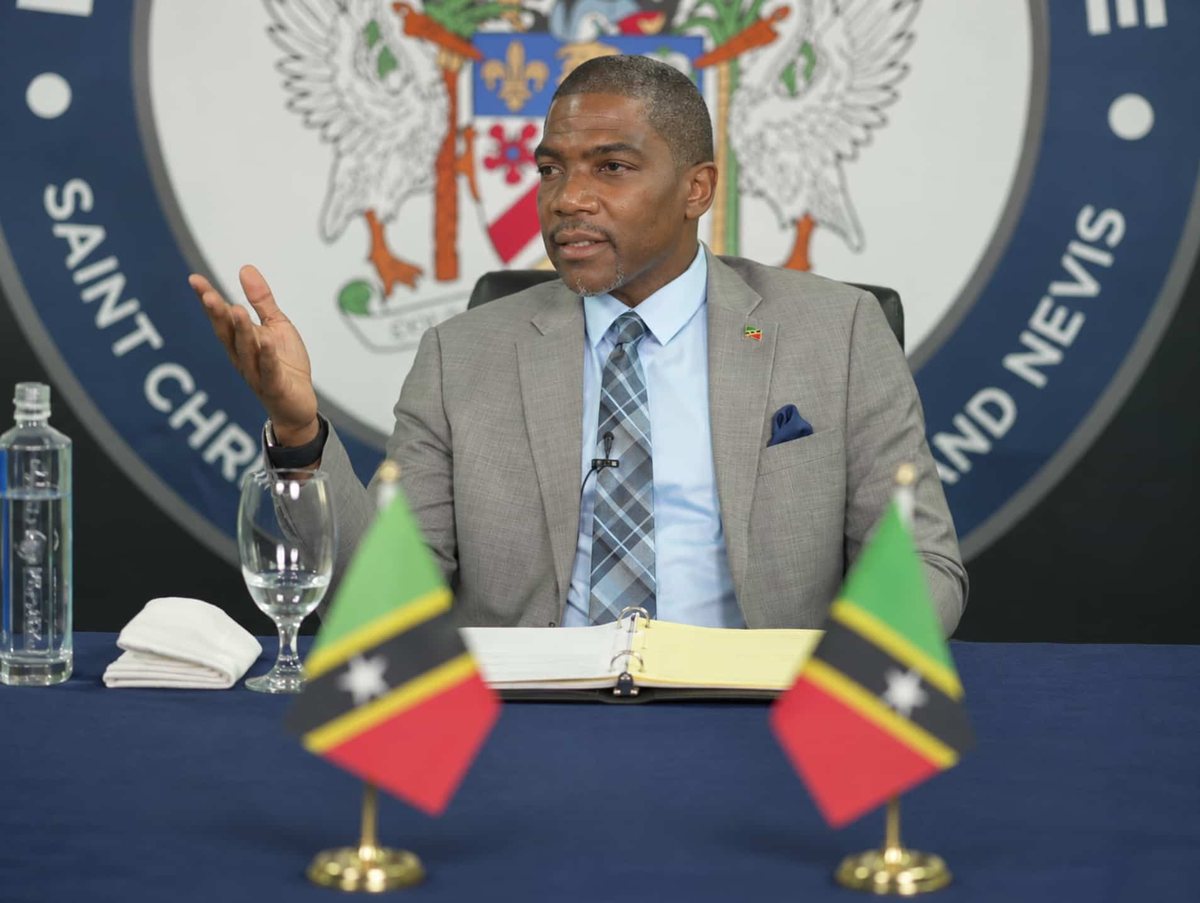
BASSETERRE. Prime Minister Dr. Terrance Drew says the government has spent EC$54 million on the Skills Training and Empowerment Programme, known as STEP, from January to October 2026. Speaking at The Roundtable on Thursday, November 5, Drew said the spending averages about EC$5.4 million a month.
The programme supports about 2,400 participants with work and training opportunities, according to the government's Sknis news service. STEP pay has been raised to EC$500 a week, which the government says matches the national minimum wage for a 40-hour week. Drew told the Roundtable that participants went seven years under the previous administration without a pay increase.
Drew put the point in his own words: "We gave them an increase on the step, and so far we have spent $54 million, averaging about $5.4 million per month." He added: "This is real support coming from the government."
The national minimum wage has risen twice in recent years, from EC$9.00 to EC$10.75 an hour in January 2024, and then to EC$12.50 in July 2025, according to Sknis. Measured against that rise, STEP's EC$500 weekly pay is a question of wage policy as well as social support. Drew's remarks came during a special edition of The Roundtable with local media, WIC News reports.
From temporary pay to a permanent path
STEP launched in February 2017, succeeding the People Employment Programme that began in 2012. Participants have long been treated as trainees rather than employees. In 2022, then Prime Minister Timothy Harris said that becoming government auxiliary employees would give participants job security they lacked as interns in a job placement programme.
Under the Team Unity government, the first STEP workers were regularised in May 2022, and government releases put the number regularised by May 1 at more than 460. Those workers became government auxiliary employees, a move that gave them the job security the programme alone could not offer.
Drew now says the government is working on a plan to improve the lives of participants, including a move into permanent employment. According to WIC News, he said that moving people into permanent jobs does not mean ending STEP. He also asked the Financial Secretary to look into why STEP participants cannot access mortgages.
Drew asked for a comprehensive programme. "Well, I told the FS I want to see a comprehensive program of how we can improve the lives of the people on step," he said. Sknis reports that he also wants direct input from STEP workers during public consultations ahead of the next budget.
What the government has not yet published
The government has not published a cost for moving participants into permanent jobs, a count of how many would qualify, or a timetable. The Sknis report sets out no specific measures, and WIC News did not state how many STEP workers there are. Without those figures, the public cannot judge whether a permanent path is affordable or how soon it could arrive.
The cost-of-living context matters here. Drew said the STEP increase was part of a wider package: "You couldn't leave them out because we gave the increase to help with the cost of living." WIC News reports that he also listed an eight percent salary increase for civil servants, a cut in standard VAT from 17 to 13 percent, and about EC$80 million spent subsidising electricity by June 2026.
The economic frame is wider still. WIC News reports that Drew called Citizenship by Investment the most challenging issue facing the economy, and said the previous administration made the economy wholly dependent on it. His government, he said, is planning for an economy less dependent on that income. The Ledger will follow the Financial Secretary's review, the budget consultations and any published cost of the permanent-jobs plan.
Read more at The Caribbean Ledger ›