Belize condemns Guatemalan vessels at the Sarstoon as the ICJ case remains pending
Two Guatemalan Armed Forces vessels crossed into Belizean waters on Saturday and closely approached a Belize Defence Force patrol near Sarstoon Island. Belize calls it an attempt at intimidation and will lodge a formal protest.
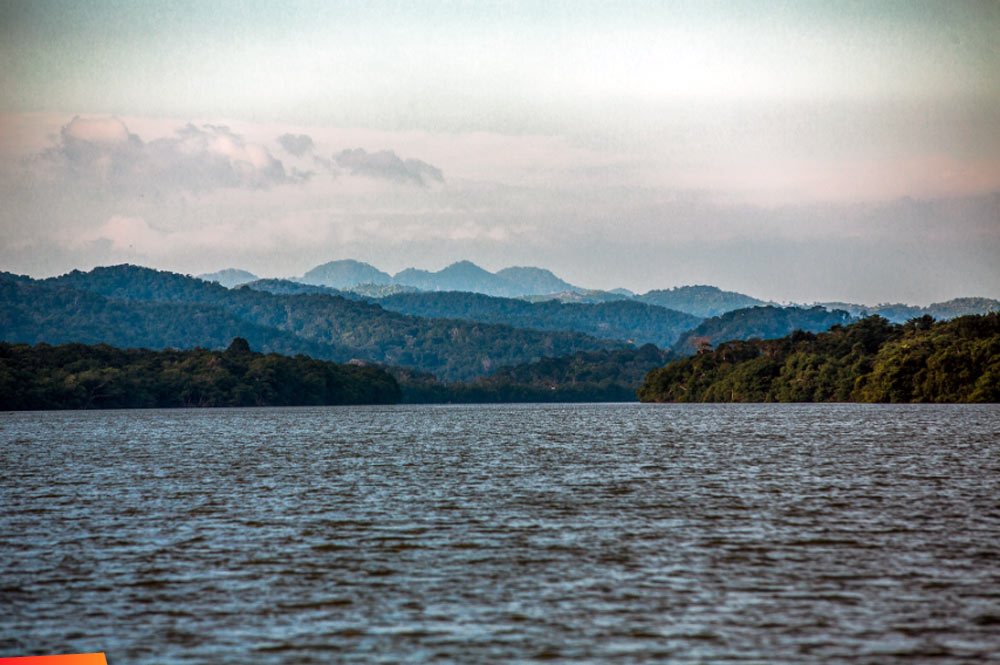
BELMOPAN. Two Guatemalan Armed Forces vessels crossed into Belizean waters on Saturday, November 7, and closely approached a Belize Defence Force patrol around Sarstoon Island, according to a statement from the Ministry of Foreign Affairs and Foreign Trade. The government calls the approach an apparent attempt to intimidate the patrol, and says it strongly condemns the incursion.
The patrol was on a routine circuit of the island. The statement says it responded with composure and restraint, then returned safely to the Sarstoon Forward Operating Base. Additional Belize Defence Force and Belize Coast Guard vessels have since reinforced the base.

The treaty at the center of the dispute
The government says the 1859 Treaty sets the boundary at the mid-channel of the Sarstoon River. Under that reading, Sarstoon Island lies within Belize's sovereign territory. Guatemala's claim to the area is pending before the International Court of Justice.
Both countries are bound to avoid actions that could worsen the dispute while the court considers it, the statement says. The river is the working edge of that obligation, and the Belize Defence Force patrols it every day the case remains open.

Belize says it will lodge a formal protest with the Government of Guatemala and report the incident to the Organization of American States. It commended the Belize Defence Force for its discipline and composure, and called on Guatemala to respect Belize's sovereignty and stop further provocation.
The statement says Belize "remains committed to the peaceful resolution of the dispute." It does not include a response from Guatemala, and the Ledger has not yet obtained one.
Who speaks for Belize
Oscar Arnold was appointed Chief Executive Officer for Foreign Affairs and Foreign Trade in a June 3, 2026 release from the ministry. He most recently served as Belize's ambassador to the United Mexican States. The ministry welcomed him in that release, which contained no direct quotes from him.

The statement on the Sarstoon incident names no official and quotes no individual. For a dispute that Belize has taken to the International Court of Justice and the Organization of American States, the public voice of the ministry carries real weight, and readers will look to the next statement for who is leading the response.
Why the river matters beyond Belize
A formal protest and a report to the Organization of American States create a written record. They do not move a vessel off the water. The International Court of Justice can settle the boundary, but only when it rules, and until then the practical boundary is whatever each side's forces do on the river.
That is why the reinforcement of the Forward Operating Base matters as much as the diplomacy. The statement says additional Belize Defence Force and Coast Guard vessels have already gone to the base. Whether that presence holds, and whether Guatemala answers in writing, will tell readers more than the first statement did.
For a region that builds its credibility on the rule of law and peaceful settlement, a boundary dispute is a test of whether the institutions work when a patrol is close enough to be intimidated. The Sarstoon is small on any map, but the principle at stake is the same one Caribbean states depend on at sea and on land.
The Ledger Desk will follow the formal protest, the report to the Organization of American States, any response from Guatemala, and the International Court of Justice docket, and will update this story as the record changes.
Read more at The Caribbean Ledger ›