African airlines grow fastest, but empty seats show the strain
African carriers posted the fastest passenger growth of any region in September 2026, but capacity grew faster and the share of seats sold fell to 73.5 percent.
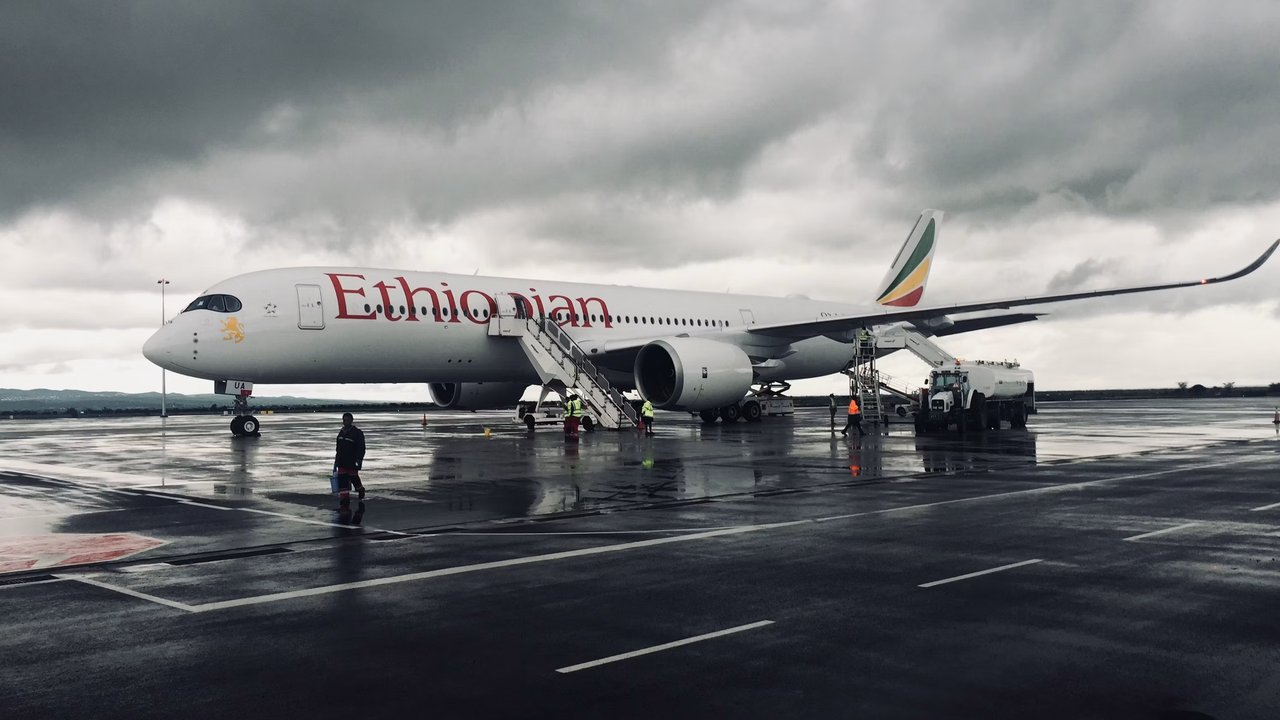
GENEVA. African airlines carried more passengers in September 2026 than airlines in any other region, but they filled a smaller share of the seats they flew. The International Air Transport Association reported on October 30 that passenger traffic on African airlines rose 5.0 percent year on year, the fastest growth in its regional table. Capacity grew faster, up 7.7 percent, and the share of seats filled fell 1.9 points to 73.5 percent.
The gap between those two numbers is the story. Airlines added flights and aircraft before enough passengers arrived to fill them.
Traffic is measured in revenue passenger kilometers, capacity in available seat kilometers, and the load factor is the ratio between the two. A rising load factor means the seats are selling. A falling one means the airline is flying more seats than it can sell.
Global traffic moved the other way. Air traffic demand fell 0.5 percent in September, according to the association, which blamed weakness in the Middle East and North America. The Middle East recorded a decline of 8.0 percent in the same table, and North America fell 1.6 percent. Latin America and the Caribbean grew 4.3 percent, while Asia-Pacific and Europe were almost flat.
African carriers were strongest on international routes. Their international demand rose 8.0 percent, with capacity up 8.8 percent and a load factor of 74.8 percent, down 0.6 points. Those figures suggest that African airlines are competing hard for longer routes, where a single fare has to cover more of the cost of each flight, including the seats that go empty.
The association's chief economist, Marie Owens Thomsen, summed up the global picture in one sentence: "Air traffic demand fell 0.5% in September, reflecting weaknesses in the Middle East and North America." She did not single out Africa. The data do not require her to. The regional figures show demand moving in opposite directions, and the African numbers are the clearest example of capacity running ahead of sales.
For Caribbean readers, the arithmetic is familiar. Air service in the region depends on routes that carriers can sustain on thin margins, and the Ledger has reported on the retreat of Caribbean Airlines from routes this year. The African pattern shows the same logic at a larger scale: more seats added than passengers booked. When a carrier has to choose between a route that loses money and a route that does not exist at all, the choice is usually made in the planning office months before the numbers appear.
What the data cannot show is why. The association's September table reports traffic and capacity, not fares, fuel costs, or fleet decisions. An airline that expands into a soft month may be betting on demand that arrives later, on costs that fall, or on a network that pays off over a year. The figures do not say which bet is right, and they do not say whether the airlines themselves expect the gap to close.
The next monthly release will show whether September's gap between seats flown and seats sold was a single weak month or the start of a pattern. Until then, African airlines lead the world in growth and trail in the share of seats they sell. For an industry that has spent three years recovering from the pandemic, that combination is a warning that growth alone does not pay for the planes.
The distinction between traffic and capacity is easy to overlook, and it matters for anyone who plans around air service. Traffic tells a traveler that more people are flying. Capacity tells an airline how much it has committed to fly.
When the second grows faster than the first, the airline carries the cost of the difference, through lower fares, fewer profitable routes, or both. In September the African figures show that difference in its starkest form.
Airlines and their lenders will read the September numbers alongside fuel prices, aircraft delivery schedules and the cost of capital. A carrier that has ordered aircraft for a route expansion has committed years in advance, and a single soft month does not reverse that commitment. The question for the next year is whether the seat sales catch up with the seats flown, or whether the airlines trim schedules to protect the load factor. Either outcome would be visible in the monthly releases before it appears in annual results.
None of this makes the African growth figures less real. A 5.0 percent increase in passengers is a substantial gain for a region where air travel is still limited for most households, and the international figures show airlines winning longer routes. The point is narrower: growth in seats is not the same as growth in revenue, and the September gap shows how quickly the two can separate when demand softens.
Read more at The Caribbean Ledger ›