The Virgin Islands pays late, and now pays a private firm to pay faster
Governor Albert Bryan Jr. has brought in a lender to advance vendors cash on approved invoices, while the waste authority reports $41.3 million in unpaid bills. Both problems start with the same question: why does the government take so long to pay?
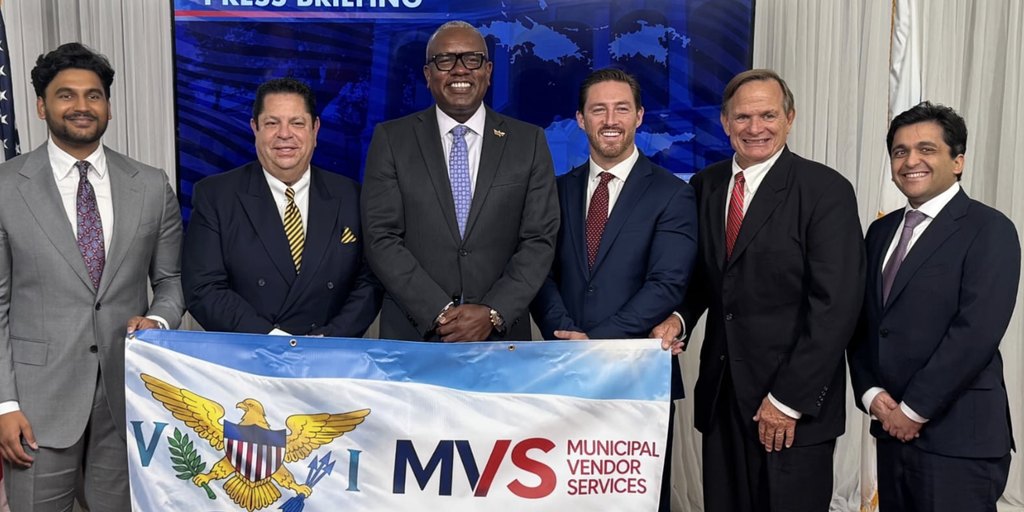
CHARLOTTE AMALIE. On Monday, November 9, Governor Albert Bryan Jr. announced that vendors who supply the territory can sell their approved invoices to a private firm and be paid within 72 hours of approval. The firm, Municipal Vendor Services Inc., advances the money and collects from the government later. "When the government stops paying the economy tanks," the governor said.
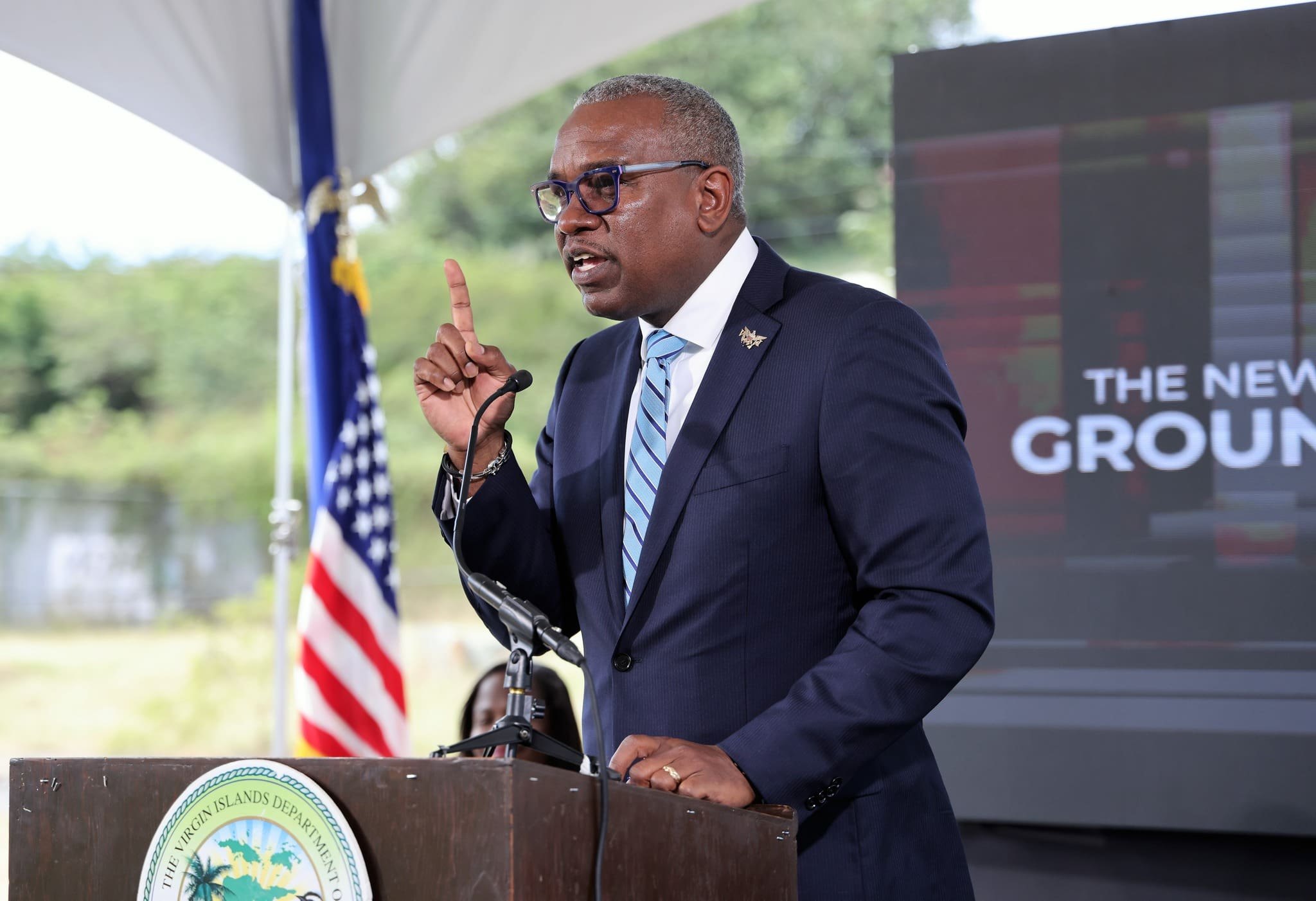
The firm's chief executive, Theodore Ellenis, laid out the math. He told the St. Thomas Source that a vendor with a $10,000 approved invoice would receive $9,500 within 72 hours. The firm collects the full $10,000 and keeps the $500. Ellenis said the government pays no extra interest or penalties, and that the money comes from his lenders, not the territory.
Bryan has called the program an interest-free line of credit that "cheapens our cost of money." He said it would also help the government account for the invoices still outstanding.
The need is real. Finance Commissioner Kevin McCurdy told lawmakers in June that outstanding vendor obligations totaled $36 million, including $16 million in invoices older than 90 days. When asked for a current total, Bryan said he did not have the figure readily available.
The partner's legal cloud
The firm's chief executive is named in a federal lawsuit. Discover Growth Fund II, a St. Thomas investment company, sued in New Jersey federal court. It alleges that executives at a predecessor firm, Municipal Finance & Services Corp., misrepresented its finances and spent investor money on personal expenses, and that the company defrauded investors of more than $7 million. The predecessor later filed for Chapter 7 bankruptcy.
The suit names Ellenis, former chief financial officer Robert Miragliotta and Municipal Vendor Services as defendants. Ellenis has denied the fraud allegations, and the allegations have not been established in court. Asked whether he had disclosed the litigation to the governor's team, Ellenis said, "I don't know," and added that he did not consider it relevant.
Bryan declined to comment on the litigation when The Consortium asked about it. The territory's contract is with MVSI USVI SPE, LLC, a separate legal entity from the company named in the suit, and the relationship between the two has not been publicly established. The federal suit does not name Bryan or any territorial official.
The garbage bill
The waste authority's problem is older and less glamorous. The Virgin Islands Waste Management Authority reported $41.3 million in accounts payable as of October 31. Its executive director, Hannibal "Mike" Ware, told senators that most of the debt is legacy debt, largely from the hurricanes.
Annual operating costs run about $58.4 million. Government appropriations cover about $40 million, and tipping fees bring in about $3.5 million, leaving a gap of roughly $15 million a year. Allotments arrive three to four months late, and incoming money must first cover older bills.
The consequences reach the street. In October, a contractor paused collection at eight bin sites on St. Thomas over nonpayment, and service resumed on October 9 after payment. The largest creditor, the firm that services the territory's landfills, is still owed about $9 million.
A federal freeze makes the picture harder. HUD suspended the Virgin Islands Housing Finance Authority on July 20, delaying authority projects that depend on disaster recovery money. Ware said the Anguilla Landfill on St. Croix has essentially reached its current disposal capacity.
The proposed fix is a set of new fees: a $19.95 monthly residential collection fee, projected to raise about $8.5 million a year, and a $3 fee on each occupied hotel or short-term rental room-night, projected at about $2.8 million. Both await review by the Public Services Commission.
At a Senate committee hearing, Ware said there is "no way that we could dig out from that." Senator Kurt Vialet was blunter: "If they don't stop dragging their feet, we gonna just have the same issue over and over and over."
What to watch
Bryan's program may shorten the wait for some vendors, and the fees may close part of the waste gap. Neither answers why the bills went unpaid in the first place.
The eligibility rules for the vendor program have not been publicly detailed. The Public Services Commission will review the fees. And the government will have to show, month by month, that its payments are catching up with what it owes.
A government that pays late and borrows to pay sooner has bought time. It has not yet bought a record of paying on time.
Read more at The Caribbean Ledger ›