Mia Mottley takes the debt-and-climate case to London, and the UK's G20 plan becomes the test
Barbados's prime minister links climate shocks and debt pressure. The question now is whether the UK's G20 presidency next year turns that link into a framework.
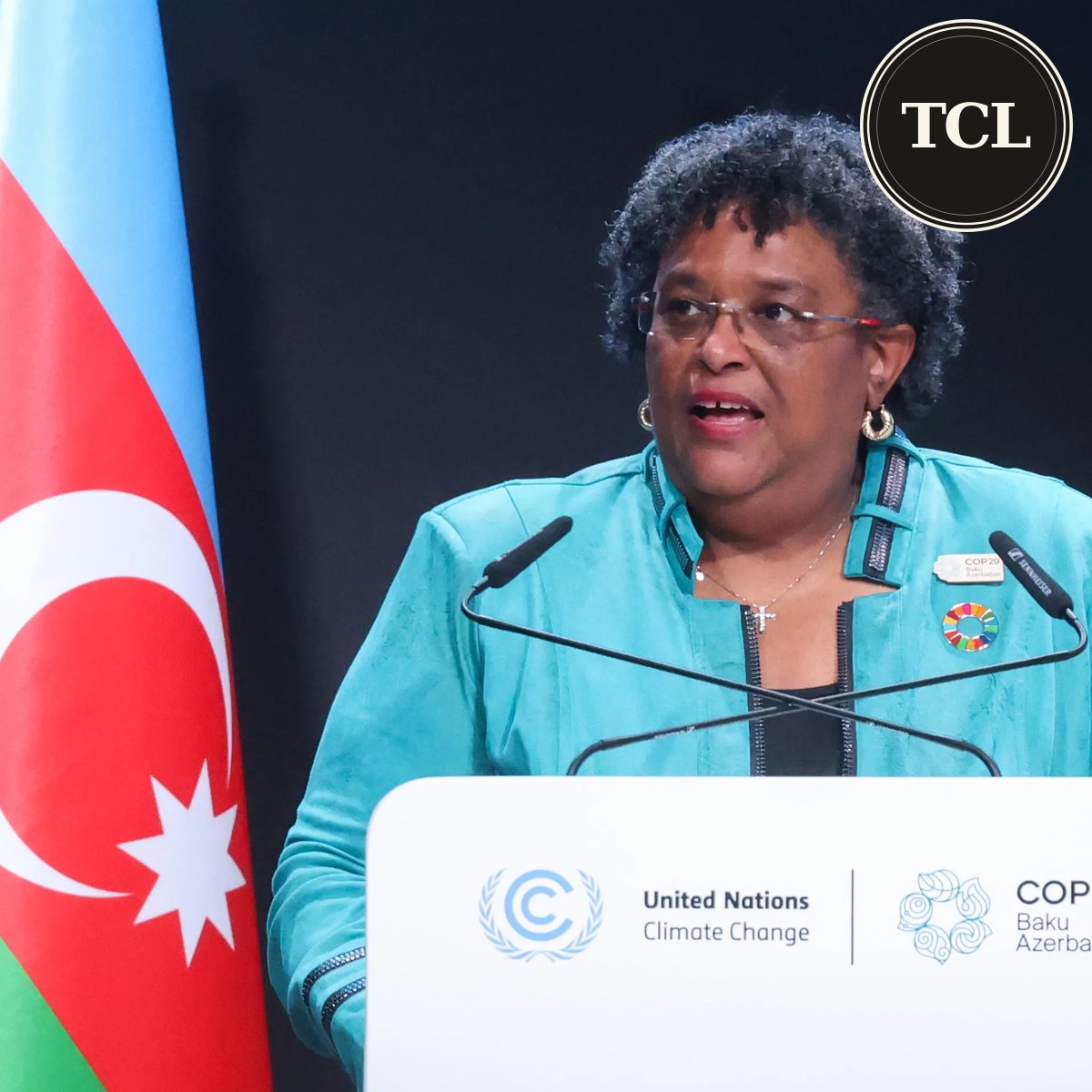
BRIDGETOWN. Barbados's prime minister, Mia Mottley, has argued since COP26 in Glasgow that climate shocks and debt burdens are one problem, and that the rules governing lending must treat them that way. This month she took that case to the UK, and the response from London offers the first concrete test of whether the argument is landing.
On November 2, Mottley met the UK prime minister ahead of the Commonwealth Heads of Government Meeting in Antigua and Barbuda. According to a readout published by the UK government, both leaders noted that Barbados is on the front line of rising sea levels and extreme heat. The UK said it will reform the frameworks that govern international debt financing during its G20 presidency next year.
The readout states no funding amounts, targets or new commitments, and it contains no direct quotes from either leader.
The timing matters. The Commonwealth summit took place in St. John's from November 3 to 4.

Its published description lists climate change and access to investment for small island developing states among the expected priorities, but does not list debt relief.
Her speech at COP31 in Türkiye on November 11 made the connection most directly. "The climate does not negotiate with geopolitics," she told delegates, and a climate fund without money is "a monument, not a mechanism." She urged world leaders to break the cycle of debt crises, and she proposed an investor-led approach that she called a win-win. The speech gave no figures for debt relief or climate finance, and the proposals were described in general terms.
Her London connection is older than the November meeting. In June 2026, Mottley met the UK prime minister in London during London Climate Action Week. Coverage of that meeting described cooperation on methane and other super pollutants, climate resilience, clean energy and sargassum management, and it said the climate discussions built on the Bridgetown Initiative, the Barbados-led call for more equitable climate finance and stronger support for vulnerable states.
Why the G20 matters for the region
A G20 presidency gives the host country the agenda. Whatever the UK puts forward on debt financing frameworks will shape how the G20 talks about lending to countries that face hurricanes, droughts and rising insurance costs. For the Eastern Caribbean, the question is whether reform would reach the terms on which governments borrow, the rules that price climate risk, and the access small states have to the institutions that lend to them.
Those are technical questions, and the answers will decide whether the region's governments can finance resilience without adding to their debt. In her COP31 speech, Mottley argued that leaders must break the cycle of debt crises. Our reading is that a government that borrows to rebuild after a storm, and then pays more to borrow because its climate risk is high, is caught in the loop she describes.
What to watch
Three things will show whether London's commitment is real. The first is whether the UK publishes a G20 agenda with specific reform proposals and a timetable. The second is whether the proposals reach the lending terms that Caribbean governments actually face.
The third is whether Barbados and its partners in the region are at the table when the rules are written.
The readout from November 2 is a statement of intent, not a plan. The June meeting was a meeting on climate, not a funding decision. We will track both as the G20 agenda takes shape, and we will ask the governments of the region what they expect from it.
Read more at The Caribbean Ledger ›