Suriname's first offshore oil moves from blueprint to steel
The GranMorgu project is on track for first oil in 2028. For a country that has never produced offshore crude, the next four years will decide whether oil becomes an economy or a headline.
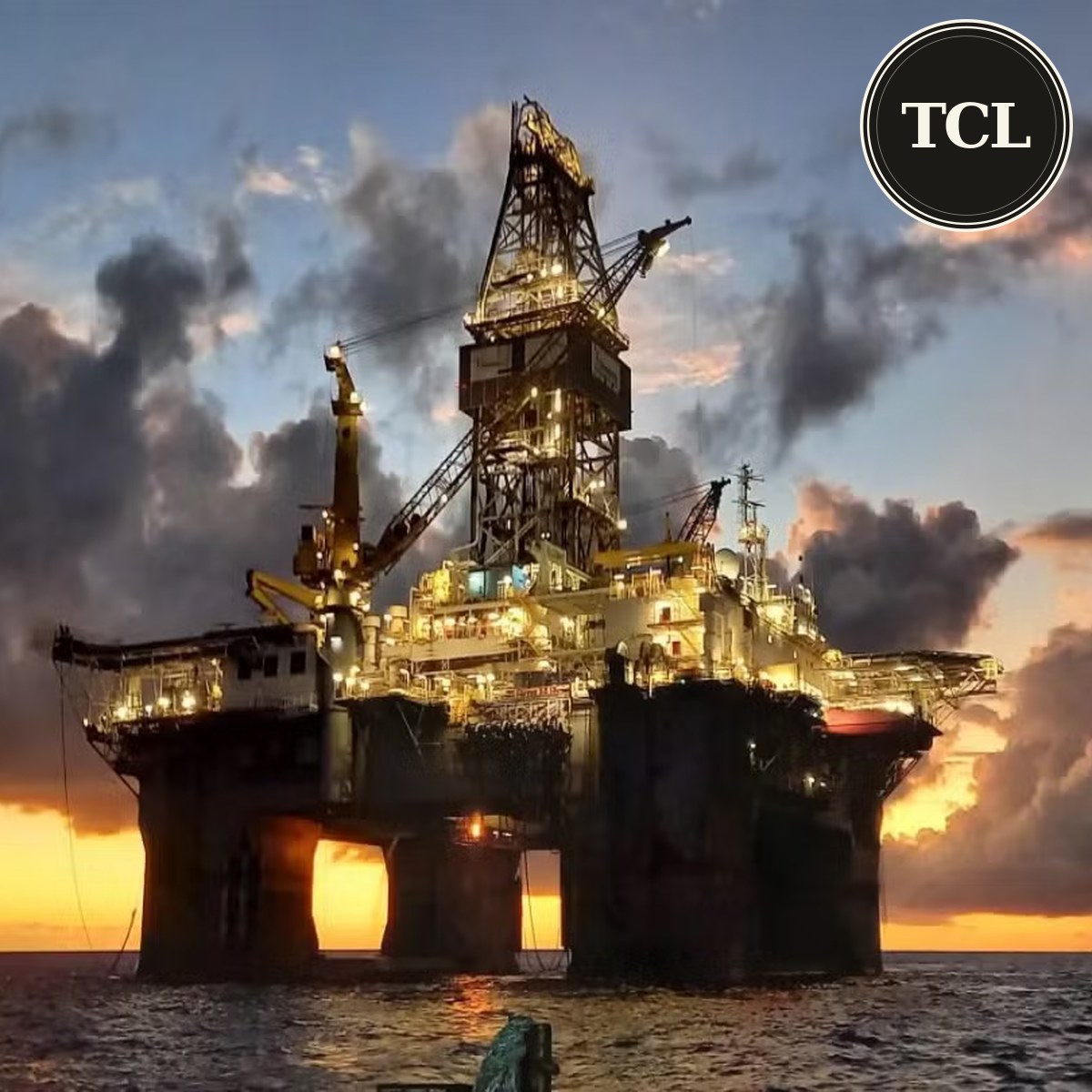
PARAMARIBO. Suriname is about to become an oil producer, and the project that will make it happen is no longer a plan on paper. GranMorgu, in Block 58, is in the construction phase, with a floating production vessel under way and drilling programs ramping up.
First oil is targeted for 2028.
The project was approved in October 2024. TotalEnergies, the operator, announced the final investment decision in Paramaribo with Suriname's president and the head of Staatsolie, the national oil company. TotalEnergies estimates the total investment at around $10.5 billion.
Its partner, APA Corporation, holds the other half of the working interest, and Staatsolie has signaled it will take up to 20 percent.
The reserves are the prize. TotalEnergies estimates recoverable resources of more than 750 million barrels from the Sapakara and Krabdagu discoveries, about 150 kilometers offshore. The development will use a floating production, storage and offloading vessel with a capacity of 220,000 barrels a day, drawing on what TotalEnergies calls a proven design, the kind used in neighboring Guyana.
The company describes the unit as all-electric, with zero routine flaring and full reinjection of associated gas. The plan calls for about 32 wells.
Steel is the clearest sign of progress. First steel was cut in May 2025 at a shipyard in China, and by May 2026 the reported overall progress stood in a range of roughly 25 to 50 percent. Offshore Magazine notes that construction of the vessel is notably advanced.
Drilling is set to ramp up later in 2026, and in July TotalEnergies awarded Halliburton a contract for integrated drilling and completion services.
What it means at home
TotalEnergies says the project will generate more than $1 billion in local content and more than 6,000 jobs, about 2,000 direct and 4,000 indirect and induced. Paramaribo will serve as the primary hub for administrative, support and logistics work, and local companies are expected to win work in logistics, well services and subsea installation.

Those numbers are the company's estimates, and they will be tested over years, not weeks. Suriname's test is the same one that Guyana faced after its discoveries: whether the country can turn a resource into revenue, and whether that revenue is managed well enough to outlast the oil.
The Caribbean question
For the Eastern Caribbean, the Suriname story offers a different lesson. The region's governments are watching oil and gas near their own waters, and several have limited fiscal room to absorb a bad decision. Suriname is building its oil sector while its neighbor, Guyana, is already producing.
The sequencing matters. In our view, governments that set revenue rules before the money arrives are the ones that keep more of it.
Staatsolie is now offering more than 70,000 square kilometers of offshore acreage across five exploration areas. That is a wider door than Suriname has opened before, and it will test how the country balances investment, environmental protection and its own public finances.
What to watch
Three markers will show whether GranMorgu stays on schedule. The first is the drilling program later in 2026 and into 2027. The second is the vessel's progress through construction, which the project's own milestones will track.
The third is the final shape of Staatsolie's stake and the revenue framework that governs it.
The first oil date is a company target, not a guarantee. Until the vessel is sailing and the wells are flowing, the cost, reserve and jobs figures in this story remain estimates. We will keep tracking the project, and we will ask Suriname's government how it intends to manage the money.
Read more at The Caribbean Ledger ›