Haiti names an election date while foreign soldiers fight for its streets
The Provisional Electoral Council has set a first round for July 18, but the last two calendars slipped, and more than 2,000 Salvadoran troops are now operating alongside a UN-backed force.
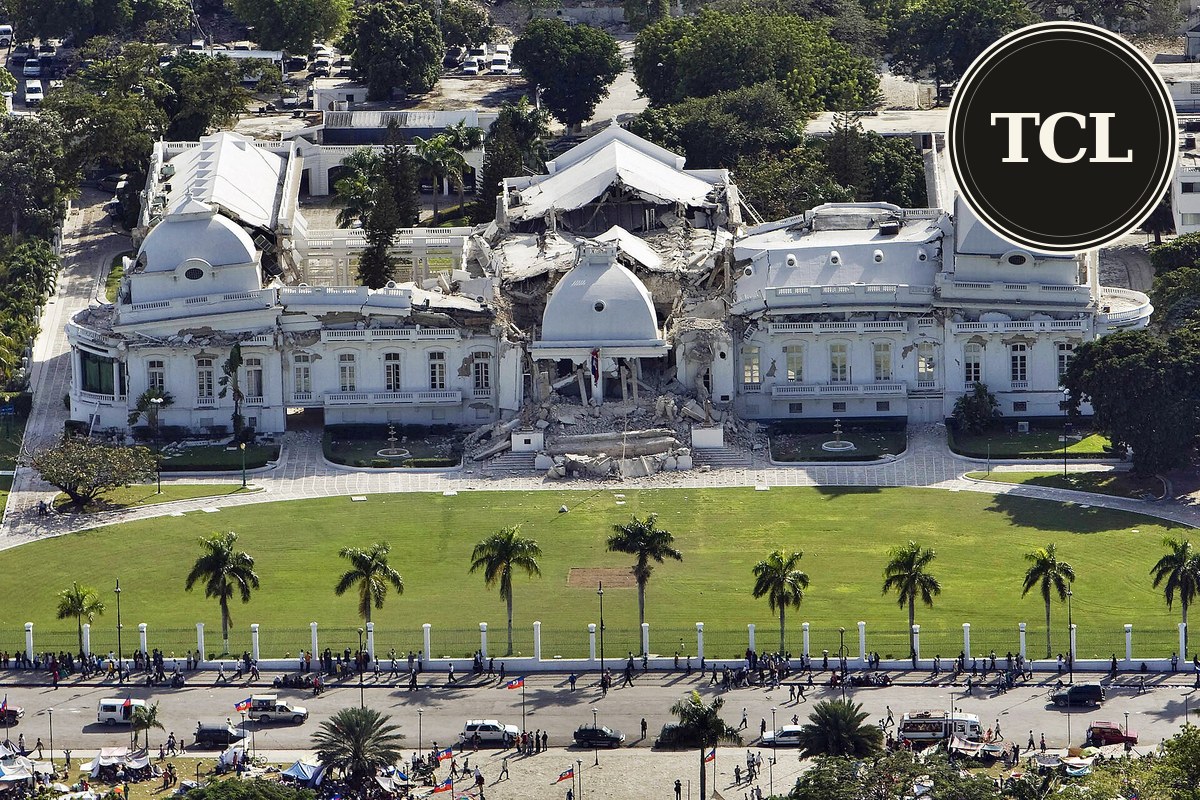
PORT-AU-PRINCE. Haiti's Provisional Electoral Council has announced new election dates, with a first round on July 18 and a second round on October 4, according to the Associated Press. The calendar appears to place them in 2027.
Voter registration closes on May 20, and the final candidate list is expected by mid-January. The announcement came at the end of October, amid continuing gang violence.
The dates are a reset. The council had previously set a first round for December 13, and that vote was delayed by gang violence in the Centre department and in Port-au-Prince. Haitians have heard election dates before.

Parliamentary elections scheduled for October 2019 were delayed. Elections due in September 2021 were moved to November. A 2025 target passed without a vote, according to the election history compiled by Wikipedia.
The security situation is what the troops are meant to address. More than 2,000 soldiers from El Salvador have been sent to Haiti by President Nayib Bukele, after four Salvadoran aviation technicians went missing in Port-au-Prince on October 18 following an attack. The technicians worked with the Gang Suppression Force, the UN-backed mission against armed groups.
The Haitian government says they were abducted. Bukele wrote on X that the deployment has nearly finished, and that it is "not an operation against the Haitian people, nor an invasion of the country of Haiti."
The Salvadoran contingent is larger than the Gang Suppression Force itself, according to analyst Romain Le Cour of the Global Initiative Against Transnational Organized Crime. Le Cour said the Salvadoran troops' rules of engagement, chain of command, objectives and duration "remain opaque." He also said the United States' role in facilitating the deployment deserves scrutiny. A private security firm founded by Erik Prince, Vectus Global, is also operating in the country, and its coordination with the other forces is unclear.
The cost on the ground
The United Nations counts more than 5,700 people killed or wounded in Haiti between January and mid-September. Doctors Without Borders treated 30 patients for gunshot wounds or drone-blast injuries between October 18 and 26. Davina Hayles, the group's head of mission in Haiti, said: "Roads and bridges are blocked, and any travel is extremely risky."
Those figures are the reason an election matters. A vote can only be held where people can register, reach polling stations and count ballots without fear. Registration timing will test that.
A national vote is hard to see as credible if the capital cannot be safely reached.
What it means for the region
For the Caribbean, Haiti is not a distant story. It is a neighbor in the same regional bodies and a member of CARICOM, and the region has a stake in whether Haiti can hold a vote that the next government will accept. Foreign troops can restore order for a period.
Only an elected government can give that order a durable basis.
The question for regional governments is not whether they support elections in principle. It is whether they will press the council, the transitional authorities and the international partners to publish the rules of engagement for foreign forces and a clear timetable for their withdrawal. Those answers matter for Haiti's sovereignty as much as for its security.
What to watch
Three markers will show whether the July date is real. The first is registration. Registration closing on May 20, 2027, leaves little room for delay.
The second is the final candidate list in mid-January, which will show which parties can take part. The third is the withdrawal of the Salvadoran contingent, which Bukele says is nearly complete, and whether the Gang Suppression Force's mandate changes with it.
The dates and casualty figures in this story come from the council, the UN and MSF as reported by AP, and the election history comes from Wikipedia. The council has missed its last two calendars, and until the vote is held, the dates are a plan, not a result. We will report each step.
Read more at The Caribbean Ledger ›