Bank of Jamaica lifts its rate again as inflation refuses to come home
A second straight half-point increase takes the policy rate to 6.50%, and the central bank is now warning that prices could stay above target into late 2027. For borrowers, the message is plain: money is going to cost more for a while yet.
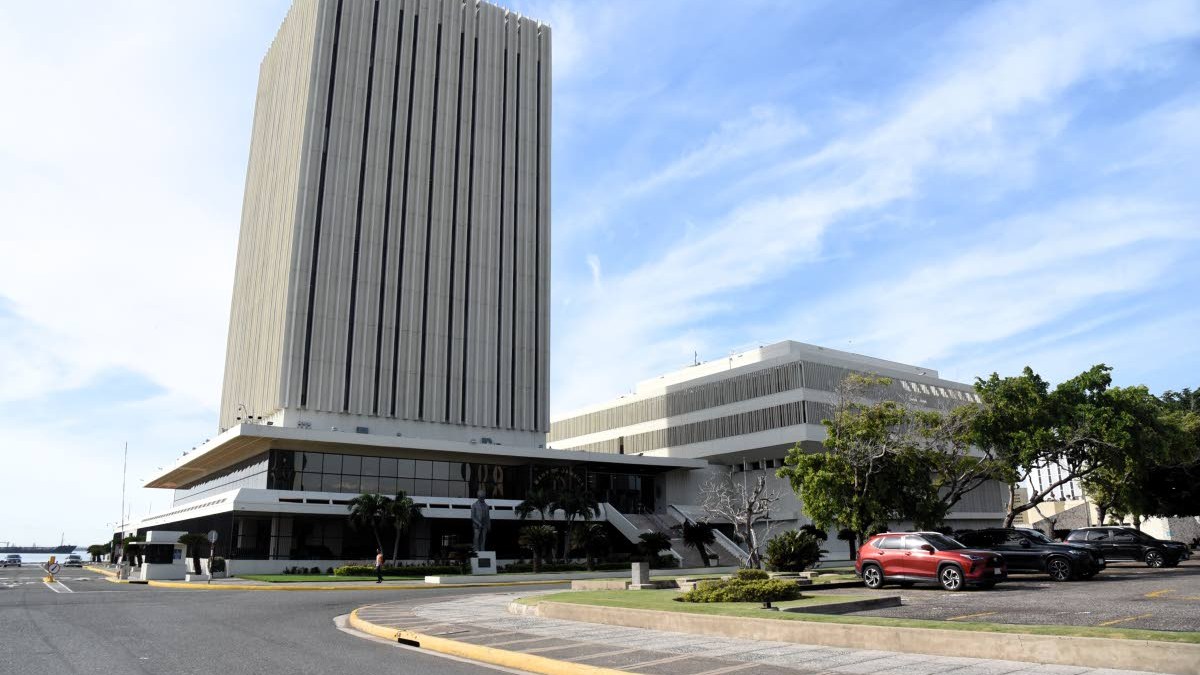
KINGSTON. The Bank of Jamaica has raised its benchmark policy rate by half a percentage point to 6.50%, its Monetary Policy Committee announced on November 18, with the increase taking effect the following day. It is the second consecutive increase of that size, and it leaves the rate well above where it stood a year ago. The committee acted on what it described as an upside risk that inflation could remain above the target range until late 2027, and for households and businesses the headline is that the era of cheaper credit the island enjoyed is not coming back soon.
The number driving the decision is inflation that has proven stubborn. Annual inflation measured 8.2% in October, easing from 8.6% in September but still sitting above the central bank's 4% to 6% target for a fifth straight month, according to the Bank of Jamaica. The monthly picture was milder, with consumer prices up 0.3% in October after a 1.5% jump in September, but the relief was concentrated rather than broad. Utility costs did much of the damage, with the electricity, gas and other fuels category up on the month, while transport costs ran about 15% higher than a year earlier and food roughly 11% higher, the costs households feel first.
Why the bank is leaning against the wind
A central bank raises rates to make borrowing dearer, saving more attractive and demand cooler, and so to pull price growth back toward target, and the Bank of Jamaica is doing that against a complicated backdrop. Some of this year's inflation carries the fingerprints of Hurricane Melissa, whose disruption to supply and to agriculture pushed up the cost of basic goods, and the bank expects a temporary dip back toward target in December as the comparison with last year's post-storm prices flatters the data, though it does not expect the improvement to last. Its own projection, as reported, is that inflation will climb again and peak in the first quarter of 2027 before drifting back to target only by late in that year.
The bank is also watching expectations, the self-fulfilling part of inflation. If firms believe prices will keep rising, they set their own prices and wage offers accordingly, and the belief becomes the fact. Survey measures of where businesses think inflation is heading have been drifting higher rather than lower, which is precisely the dynamic a central bank moves to break before it hardens. Raising the rate twice in succession, and signaling more vigilance to come, is as much about that psychology as about any single month's reading.
For the real economy, the transmission is familiar and slow. Higher policy rates feed through to the rates banks charge on mortgages, car loans and business credit, and to the yields the government must offer on its paper, so borrowers refinancing in the months ahead will meet stiffer terms, while savers will, eventually, see marginally better returns on deposits. The Jamaican dollar, whose stability the bank guards closely, tends to find support when local rates rise relative to United States rates, though that calculus is tighter this year because the Federal Reserve is itself leaning toward higher rates, a shift examined elsewhere in this edition. A central bank defending a currency against a tightening Fed has to run harder simply to stay in place.
The next decision comes on December 18, and the bank has given itself room to move again. Governor and committee alike have framed the fight as unfinished, and the October data, better than September but still outside the target, did not hand them a reason to pause. The lesson of the year, for a small open economy importing both its fuel and much of its food, is how little control the island has over the forces setting its prices, and how much work the one lever it does control, the policy rate, is now being asked to do.
Send news tips, corrections, or comments to newsroom@caribbeanledger.com.
Read more at The Caribbean Ledger ›