AAAWgmp1bWIAAAAeanVtZGMycGEAEQAQgAAAqgA4m3EDYzJwYQAAABZcanVtYgAAAEdqdW1kYzJtYQARABCAAACqADibcQN1cm46YzJwYTo0ZDU1YzE2Zi05MzhjLTRiZDEtOTczZS0xM2M0MGQyNGFjMGQAAAADl2p1bWIAAAApanVtZGMyYXMAEQAQgAAAqgA4m3EDYzJwYS5hc3NlcnRpb25zAAAAALxqdW1iAAAARGp1bWRjYm9yABEAEIAAAKoAOJtxE2MycGEuaW5ncmVkaWVudC52MwAAAAAYYzJzaH+skzlOsT/jghAi8b3dyocAAABwY2JvcqNpZGM6Zm9ybWF0bWltYWdlL3N2Zyt4bWxqaW5zdGFuY2VJRHgseG1wOmlpZDphYzljMjQzYi04YzNiLTRkMDYtYTNiNi1jNzE0Nzc3NWY2ZDRscmVsYXRpb25zaGlwaHBhcmVudE9mAAAB4mp1bWIAAABBanVtZGNib3IAEQAQgAAAqgA4m3ETYzJwYS5hY3Rpb25zLnYyAAAAABhjMnNoqFN2A4sEaFpJ8PBZSrsHPAAAAZljYm9yomdhY3Rpb25zgqJmYWN0aW9ua2MycGEub3BlbmVkanBhcmFtZXRlcnOha2luZ3JlZGllbnRzgaJjdXJseC1zZWxmI2p1bWJmPWMycGEuYXNzZXJ0aW9ucy9jMnBhLmluZ3JlZGllbnQudjNkaGFzaFggbdzqlZMZxm1vAWDSQHtU4Tl9d/LMwOTe2Kjil1d7q9CkZmFjdGlvbngdY29tLmFudGhyb3BpYy5jbGF1ZGUucHJvdmlkZWRqcGFyYW1ldGVyc6F4H2NvbS5hbnRocm9waWMub3JpZ2luLWNvbmZpZGVuY2VndW5rbm93bmtkZXNjcmlwdGlvbnhmQ2xhdWRlIHByb3ZpZGVkIHRoaXMgZmlsZSBhdCB0aGUgcmVxdWVzdCBvZiBhIHVzZXIgYW5kIG1heSBoYXZlIGNyZWF0ZWQgb3IgbW9kaWZpZWQgdGhlIGZpbGUgY29udGVudHMubXNvZnR3YXJlQWdlbnShZG5hbWVmQ2xhdWRlcmFsbEFjdGlvbnNJbmNsdWRlZPUAAADIanVtYgAAAEBqdW1kY2JvcgARABCAAACqADibcRNjMnBhLmhhc2guZGF0YQAAAAAYYzJzaGEB+1Y4/TCXYWj2V36AjpgAAACAY2JvcqVjYWxnZnNoYTI1NmNwYWRMAAAAAAAAAAAAAAAAZGhhc2hYIDR9DI0jeXOSbKuEbHuOdZAXa3/sPr0kk7h4Hu9/T1qOZG5hbWVuanVtYmYgbWFuaWZlc3RqZXhjbHVzaW9uc4GiZXN0YXJ0GZ9uZmxlbmd0aBkeBAAAAj5qdW1iAAAAJ2p1bWRjMmNsABEAEIAAAKoAOJtxA2MycGEuY2xhaW0udjIAAAACD2Nib3KlY2FsZ2ZzaGEyNTZpc2lnbmF0dXJleE1zZWxmI2p1bWJmPS9jMnBhL3VybjpjMnBhOjRkNTVjMTZmLTkzOGMtNGJkMS05NzNlLTEzYzQwZDI0YWMwZC9jMnBhLnNpZ25hdHVyZWppbnN0YW5jZUlEeCx4bXA6aWlkOmNlNjFkOTljLTVkMWYtNDc4MC04MmE0LTZjYTEzMzUzODdhMXJjcmVhdGVkX2Fzc2VydGlvbnODomN1cmx4LXNlbGYjanVtYmY9YzJwYS5hc3NlcnRpb25zL2MycGEuaW5ncmVkaWVudC52M2RoYXNoWCBt3OqVkxnGbW8BYNJAe1ThOX138szA5N7YqOKXV3ur0KJjdXJseCpzZWxmI2p1bWJmPWMycGEuYXNzZXJ0aW9ucy9jMnBhLmFjdGlvbnMudjJkaGFzaFggmpAYULxRXLWKEomi0Gy6ksZ4fQj7OpyhXUHTdOcpJ3SiY3VybHgpc2VsZiNqdW1iZj1jMnBhLmFzc2VydGlvbnMvYzJwYS5oYXNoLmRhdGFkaGFzaFggQJR2AaQHg5+pK7fC3gjQA25dkUd2/4g7iXrEusqlyfl0Y2xhaW1fZ2VuZXJhdG9yX2luZm+jZG5hbWVvQW50aHJvcGljIEZpbGVzZ3ZlcnNpb25lMS4wLjBrc3BlY1ZlcnNpb25lMi40LjAAABA4anVtYgAAAChqdW1kYzJjcwARABCAAACqADibcQNjMnBhLnNpZ25hdHVyZQAAABAIY2JvctKEWQISogEmGCFZAgowggIGMIIBjaADAgECAhRA5aAK7sI50L64g/oGQgU9Z1UTADAKBggqhkjOPQQDAzBJMRcwFQYDVQQKEw5BbnRocm9waWMsIFBCQzEuMCwGA1UEAxMlQW50aHJvcGljIENvbnRlbnQgQ3JlZGVudGlhbHMgUm9vdCBDQTAeFw0yNjA4MDcxODQzNTZaFw0yODA4MDYxOTQzNTZaMEQxFzAVBgNVBAoTDkFudGhyb3BpYywgUEJDMSkwJwYDVQQDEyBBbnRocm9waWMgQ2xhdWRlIENvbnRlbnQgU2lnbmluZzBZMBMGByqGSM49AgEGCCqGSM49AwEHA0IABJh6CmvLUBgFFNU0vUKlOVtE6djd17L5SuwX0LemFisBM3dkd/3cyjxFA3Qo5S46fX0/ihY0VZ7mfb9KF703t5OjWDBWMA4GA1UdDwEB/wQEAwIHgDAVBgNVHSUEDjAMBgorBgEEAYPoXgIBMAwGA1UdEwEB/wQCMAAwHwYDVR0jBBgwFoAUzlHiBIFOZFsj+OPEz5o+nMHXXMIwCgYIKoZIzj0EAwMDZwAwZAIwMXMdFJ4BetLLVY7ORuE9noqbbAZOZn/aArXyTwFAZfKrPzxF2vPoJNf1+UCdg1XGAjBwX1zd9WGqYkqmL5SFqw1QySjr1zJfpJM9+1rdDwSPLMOPOjKuiXjoU/pUUeG9RwmhY3BhZFkNngAAAAAAAAAAAAAAAAAAAAAAAAAAAAAAAAAAAAAAAAAAAAAAAAAAAAAAAAAAAAAAAAAAAAAAAAAAAAAAAAAAAAAAAAAAAAAAAAAAAAAAAAAAAAAAAAAAAAAAAAAAAAAAAAAAAAAAAAAAAAAAAAAAAAAAAAAAAAAAAAAAAAAAAAAAAAAAAAAAAAAAAAAAAAAAAAAAAAAAAAAAAAAAAAAAAAAAAAAAAAAAAAAAAAAAAAAAAAAAAAAAAAAAAAAAAAAAAAAAAAAAAAAAAAAAAAAAAAAAAAAAAAAAAAAAAAAAAAAAAAAAAAAAAAAAAAAAAAAAAAAAAAAAAAAAAAAAAAAAAAAAAAAAAAAAAAAAAAAAAAAAAAAAAAAAAAAAAAAAAAAAAAAAAAAAAAAAAAAAAAAAAAAAAAAAAAAAAAAAAAAAAAAAAAAAAAAAAAAAAAAAAAAAAAAAAAAAAAAAAAAAAAAAAAAAAAAAAAAAAAAAAAAAAAAAAAAAAAAAAAAAAAAAAAAAAAAAAAAAAAAAAAAAAAAAAAAAAAAAAAAAAAAAAAAAAAAAAAAAAAAAAAAAAAAAAAAAAAAAAAAAAAAAAAAAAAAAAAAAAAAAAAAAAAAAAAAAAAAAAAAAAAAAAAAAAAAAAAAAAAAAAAAAAAAAAAAAAAAAAAAAAAAAAAAAAAAAAAAAAAAAAAAAAAAAAAAAAAAAAAAAAAAAAAAAAAAAAAAAAAAAAAAAAAAAAAAAAAAAAAAAAAAAAAAAAAAAAAAAAAAAAAAAAAAAAAAAAAAAAAAAAAAAAAAAAAAAAAAAAAAAAAAAAAAAAAAAAAAAAAAAAAAAAAAAAAAAAAAAAAAAAAAAAAAAAAAAAAAAAAAAAAAAAAAAAAAAAAAAAAAAAAAAAAAAAAAAAAAAAAAAAAAAAAAAAAAAAAAAAAAAAAAAAAAAAAAAAAAAAAAAAAAAAAAAAAAAAAAAAAAAAAAAAAAAAAAAAAAAAAAAAAAAAAAAAAAAAAAAAAAAAAAAAAAAAAAAAAAAAAAAAAAAAAAAAAAAAAAAAAAAAAAAAAAAAAAAAAAAAAAAAAAAAAAAAAAAAAAAAAAAAAAAAAAAAAAAAAAAAAAAAAAAAAAAAAAAAAAAAAAAAAAAAAAAAAAAAAAAAAAAAAAAAAAAAAAAAAAAAAAAAAAAAAAAAAAAAAAAAAAAAAAAAAAAAAAAAAAAAAAAAAAAAAAAAAAAAAAAAAAAAAAAAAAAAAAAAAAAAAAAAAAAAAAAAAAAAAAAAAAAAAAAAAAAAAAAAAAAAAAAAAAAAAAAAAAAAAAAAAAAAAAAAAAAAAAAAAAAAAAAAAAAAAAAAAAAAAAAAAAAAAAAAAAAAAAAAAAAAAAAAAAAAAAAAAAAAAAAAAAAAAAAAAAAAAAAAAAAAAAAAAAAAAAAAAAAAAAAAAAAAAAAAAAAAAAAAAAAAAAAAAAAAAAAAAAAAAAAAAAAAAAAAAAAAAAAAAAAAAAAAAAAAAAAAAAAAAAAAAAAAAAAAAAAAAAAAAAAAAAAAAAAAAAAAAAAAAAAAAAAAAAAAAAAAAAAAAAAAAAAAAAAAAAAAAAAAAAAAAAAAAAAAAAAAAAAAAAAAAAAAAAAAAAAAAAAAAAAAAAAAAAAAAAAAAAAAAAAAAAAAAAAAAAAAAAAAAAAAAAAAAAAAAAAAAAAAAAAAAAAAAAAAAAAAAAAAAAAAAAAAAAAAAAAAAAAAAAAAAAAAAAAAAAAAAAAAAAAAAAAAAAAAAAAAAAAAAAAAAAAAAAAAAAAAAAAAAAAAAAAAAAAAAAAAAAAAAAAAAAAAAAAAAAAAAAAAAAAAAAAAAAAAAAAAAAAAAAAAAAAAAAAAAAAAAAAAAAAAAAAAAAAAAAAAAAAAAAAAAAAAAAAAAAAAAAAAAAAAAAAAAAAAAAAAAAAAAAAAAAAAAAAAAAAAAAAAAAAAAAAAAAAAAAAAAAAAAAAAAAAAAAAAAAAAAAAAAAAAAAAAAAAAAAAAAAAAAAAAAAAAAAAAAAAAAAAAAAAAAAAAAAAAAAAAAAAAAAAAAAAAAAAAAAAAAAAAAAAAAAAAAAAAAAAAAAAAAAAAAAAAAAAAAAAAAAAAAAAAAAAAAAAAAAAAAAAAAAAAAAAAAAAAAAAAAAAAAAAAAAAAAAAAAAAAAAAAAAAAAAAAAAAAAAAAAAAAAAAAAAAAAAAAAAAAAAAAAAAAAAAAAAAAAAAAAAAAAAAAAAAAAAAAAAAAAAAAAAAAAAAAAAAAAAAAAAAAAAAAAAAAAAAAAAAAAAAAAAAAAAAAAAAAAAAAAAAAAAAAAAAAAAAAAAAAAAAAAAAAAAAAAAAAAAAAAAAAAAAAAAAAAAAAAAAAAAAAAAAAAAAAAAAAAAAAAAAAAAAAAAAAAAAAAAAAAAAAAAAAAAAAAAAAAAAAAAAAAAAAAAAAAAAAAAAAAAAAAAAAAAAAAAAAAAAAAAAAAAAAAAAAAAAAAAAAAAAAAAAAAAAAAAAAAAAAAAAAAAAAAAAAAAAAAAAAAAAAAAAAAAAAAAAAAAAAAAAAAAAAAAAAAAAAAAAAAAAAAAAAAAAAAAAAAAAAAAAAAAAAAAAAAAAAAAAAAAAAAAAAAAAAAAAAAAAAAAAAAAAAAAAAAAAAAAAAAAAAAAAAAAAAAAAAAAAAAAAAAAAAAAAAAAAAAAAAAAAAAAAAAAAAAAAAAAAAAAAAAAAAAAAAAAAAAAAAAAAAAAAAAAAAAAAAAAAAAAAAAAAAAAAAAAAAAAAAAAAAAAAAAAAAAAAAAAAAAAAAAAAAAAAAAAAAAAAAAAAAAAAAAAAAAAAAAAAAAAAAAAAAAAAAAAAAAAAAAAAAAAAAAAAAAAAAAAAAAAAAAAAAAAAAAAAAAAAAAAAAAAAAAAAAAAAAAAAAAAAAAAAAAAAAAAAAAAAAAAAAAAAAAAAAAAAAAAAAAAAAAAAAAAAAAAAAAAAAAAAAAAAAAAAAAAAAAAAAAAAAAAAAAAAAAAAAAAAAAAAAAAAAAAAAAAAAAAAAAAAAAAAAAAAAAAAAAAAAAAAAAAAAAAAAAAAAAAAAAAAAAAAAAAAAAAAAAAAAAAAAAAAAAAAAAAAAAAAAAAAAAAAAAAAAAAAAAAAAAAAAAAAAAAAAAAAAAAAAAAAAAAAAAAAAAAAAAAAAAAAAAAAAAAAAAAAAAAAAAAAAAAAAAAAAAAAAAAAAAAAAAAAAAAAAAAAAAAAAAAAAAAAAAAAAAAAAAAAAAAAAAAAAAAAAAAAAAAAAAAAAAAAAAAAAAAAAAAAAAAAAAAAAAAAAAAAAAAAAAAAAAAAAAAAAAAAAAAAAAAAAAAAAAAAAAAAAAAAAAAAAAAAAAAAAAAAAAAAAAAAAAAAAAAAAAAAAAAAAAAAAAAAAAAAAAAAAAAAAAAAAAAAAAAAAAAAAAAAAAAAAAAAAAAAAAAAAAAAAAAAAAAAAAAAAAAAAAAAAAAAAAAAAAAAAAAAAAAAAAAAAAAAAAAAAAAAAAAAAAAAAAAAAAAAAAAAAAAAAAAAAAAAAAAAAAAAAAAAAAAAAAAAAAAAAAAAAAAAAAAAAAAAAAAAAAAAAAAAAAAAAAAAAAAAAAAAAAAAAAAAAAAAAAAAAAAAAAAAAAAAAAAAAAAAAAAAAAAAAAAAAAAAAAAAAAAAAAAAAAAAAAAAAAAAAAAAAAAAAAAAAAAAAAAAAAAAAAAAAAAAAAAAAAAAAAAAAAAAAAAAAAAAAAAAAAAAAAAAAAAAAAAAAAAAAAAAAAAAAAAAAAAAAAAAAAAAAAAAAAAAAAAAAAAAAAAAAAAAAAAAAAAAAAAAAAAAAAAAAAAAAAAAAAAAAAAAAAAAAAAAAAAAAAAAAAAAAAAAAAAAAAAAAAAAAAAAAAAAAAAAAAAAAAAAAAAAAAAAAAAAAAAAAAAAAAAAAAAAAAAAAAAAAAAAAAAAAAAAAAAAAAAAAAAAAAAAAAAAAAAAAAAAAAAAAAAAAAAAAAAAAAAAAAAAAAAAAAAAAAAAAAAAAAAAAAAAAAAAAAAAAAAAAAAAAAAAAAAAAAAAAAAAAAAAAAAAAAAAAAAAAAAAAAAAAAAAAAAAAAAAAAAAAAAAAAAAAAAAAAAAAAAAAAAAAAAAAAAAAAAAAAAAAAAAAAAAAAAAAAAAAAAAAAAAAAAAAAAAAAAAAAAAAAAAAAAAAAAAAAAAAAAAAAAAAAAAAAAAAAAAAAAAAAAAAAAAAAAAAAAAAAAAAAAAAAAAAAAAAAAAAAAAAAAAAAAAAAAAAAAAAAAAAAAAAAAAAAAAAAAAAAAAAAAAAAAAAAAAAAAAAAAAAAAAAAAAAAAAAAAAAAAAAAAAAAAAAAAAAAAAAAAAAAAAAAAAAAAAAAAAAAAAAAAAAAAAAAAAAAAAAAAAAAAAAAAAAAAAAAAAAAAAAAAAAAAAAAAAAAAAAAAAAAAAAAAAAAAAAAAAAAAAAAAAAAAAAAAAAAAAAAAAAAAAAAAAAAAAAAAAAAAAAAAAAAAAAAAAAAAAAAAAAAAAAAAAAAAAAAAAAAAAAAAAAAAAAAAAAAAAAAAAAAAAAAAAAAAAAAAAAAAAAAAAAAAAAAAAAAAAAAAAAAAAAAAAAAAAAAAAAAAAAAAAAAAAAAAAAAAAAAAAAAAAAAAAAAAAAAAAAAAAAAAAAAAAAPZYQA4C9okY6W1n0jNIY6s8h6He4v44ncIpXVRTQJllsgV8RMiWHt3igDVueR4yPNV+OElrplg3oFfvGB5WjCcw/4w=The Caribbean LedgerEvery island · One Caribbean
‹ Back
Global Lens | Africa

From trader to industrialist: what Aliko Dangote's model offers the Caribbean

Aliko Dangote began by importing rice, sugar, and cement. Today his group runs a large refinery and cement plants, and his record offers the Caribbean lessons on production, scale, and partnership with Africa.
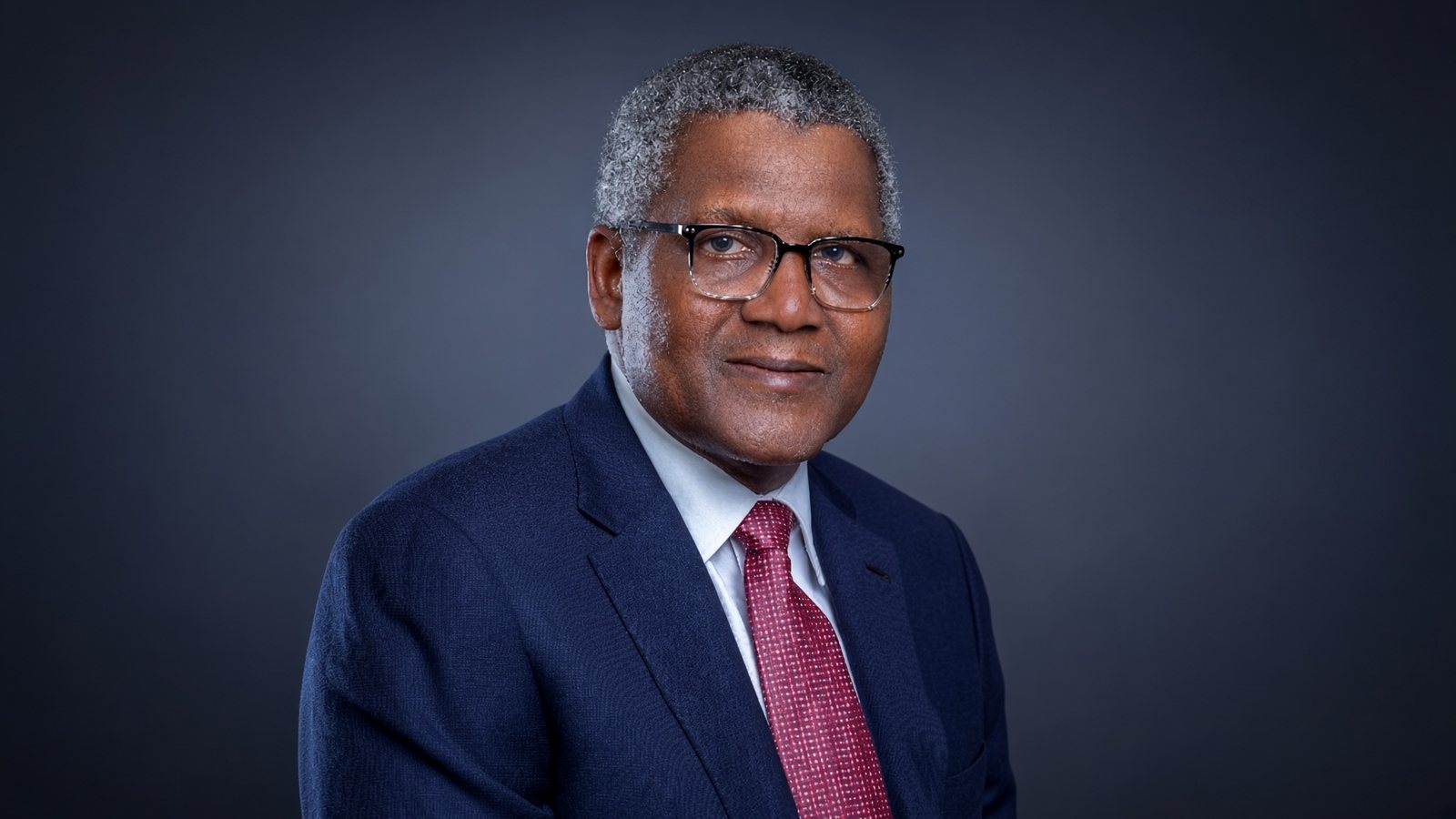
From trader to industrialist: what Aliko Dangote's model offers the Caribbean

THE CARIBBEAN. Aliko Dangote started as a trader in the late 1970s, moving rice, sugar, and cement into a market that needed them. Four decades later, he is the richest person in Africa and one of the continent's most recognized business builders. His path, from importing goods to manufacturing them, offers a lesson for any region that wants to make more of what it consumes.

This piece looks at how he built his businesses, what the Caribbean can learn from them, and what a closer Africa-Caribbean partnership could mean.

How he started

Dangote was born in Kano, Nigeria, on April 10, 1957, into a family with a long history in trade. He studied business at Al-Azhar University in Cairo, then returned home at 21 with a loan from his uncle to start a small trading firm. That firm imported rice, sugar, and cement at a time when many of those goods were in short supply. The Dangote Group is often dated to the late 1970s, and its early years were built on moving goods, not making them.

The businesses

Dangote's group now spans several industries. Cement came first in manufacturing: Dangote Cement launched in 1981 and moved into production in the early 1990s, and its shares trade on the Nigerian Exchange.

A Dangote Cement plant under construction, with tall silos and cranes
A Dangote Cement plant.

Refining is the newest and largest bet. The Dangote Petroleum Refinery has a nameplate capacity of 650,000 barrels per day, refining began in 2024, and the company plans to expand to 1.4 million barrels per day.

The group also runs sugar, flour, and salt businesses. Those lines were not checked against company filings for this piece, so their details are kept general.

The Dangote refinery complex, with tall flare stacks, process units and a large crude storage tank
The Dangote refinery complex.

The private jet at 22

Dangote has said it himself. Speaking to Nigeria's billionaires in September 2026, he said: "I had my first private jet at 22." He used the remark to urge wealthy Africans to put money into factories rather than luxury travel. The reporting also supports that he was building a trading business in his early twenties, backed by a family loan.

The business model

Three principles run through his businesses. The first is vertical integration: he moved from importing goods to manufacturing them and grew along the supply chain. The second is import substitution, where local production replaces imports and keeps foreign currency at home.

The third is scale, because large plants lower the cost of each unit and let a company compete on price while still earning a margin. The same pattern appears in cement, sugar, and refining.

Where he ranks

According to Forbes' real-time tracker, Dangote's net worth stood at $51.3 billion on September 14, 2026. That placed him 36th among the world's richest people and first in Africa. Rankings move with markets every day, so the figure is a snapshot, not a fixed position.

What the Caribbean can learn

Most Caribbean economies import much of their food, fuel, and building materials. Dangote's record suggests three lessons. Build first for local demand, so each plant has a buyer before it opens.

Move up the value chain, so more of the value created in the region stays in the region. Treat scale as a strategy, because small markets can only compete on cost when production runs at volume.

Leaders should also weigh the risks. Large projects depend on access to credit, reliable energy, and stable currencies, and many island economies have less of each than Nigeria's largest firms.

Can Caribbean investors buy in?

Some of Dangote's businesses are listed. Dangote Cement trades on the Nigerian Exchange under the ticker DANGCEM, and its shareholders approved a planned London Stock Exchange listing in July 2026. The refinery's initial public offering opened on September 14, 2026, targeting about N2.15 trillion, and was scheduled to close on October 13, 2026.

A Caribbean investor can reach Nigerian shares only through a broker with access to the Nigerian Exchange. Currency, liquidity, and tax rules should be checked first. This piece does not give investment advice, and anyone considering a position should speak with a licensed adviser.

One people

Prime Minister Mia Mottley has repeatedly tied Caribbean and African futures together. In a written message for CARICOM-Africa Day, published on September 7, 2026, she said: "Too many voices tell us what divides us. We need more voices willing to show what unites us."

Prime Minister Mia Mottley speaking at a podium in front of a green marble wall
Prime Minister Mia Mottley.

She added: "Our ancestors were denied the right to choose their destination. Our duty is to ensure their descendants can shape their destiny."

In March 2022, speaking as Ghana marked 65 years of independence, she said: "We must never, never accept that there can be first-class or second-class citizens in this world."

Her 2026 message stressed unity and shared destiny. Ghana's President, John Mahama, has backed a right of return for the African diaspora, as reported by The Gleaner on August 5, 2026.

What Afreximbank means for the link

The African Export-Import Bank, known as Afreximbank, raised its financing ceiling for CARICOM to $5 billion in March 2026. In April 2026 it signed a hosting agreement with St Kitts and Nevis for its Actif2026 trade forum, and Kenyan firms have said they are looking at a Caribbean footprint.

The Afreximbank logo in front of a bank building
Afreximbank.

For Caribbean exporters, the practical value is trade finance: credit that helps businesses ship goods, buy inputs, and carry receivables. A joint study by the International Trade Centre and Afreximbank puts the Africa-Caribbean trade potential at up to $165 billion a year by 2030. That figure describes potential, not current trade.

Is this the time to strengthen ties?

The case for acting now is practical. Financing is available, Africa's population and demand are growing, and both regions share histories that shape how trade and diplomacy are conducted. The case for caution is equally practical. Past trade between the two regions has been small relative to its potential, shipping and air links are thin, and large financing can favor governments over small businesses.

Leaders should ask four questions before committing. Who will benefit from the financing, and will small exporters reach it? Can ships and flights carry the goods and people that trade requires?

Which barriers, such as customs rules, product standards, and payment systems, can be removed first? And will the arrangement move the Caribbean beyond exporting raw goods?

Three trade opportunities

First, food and agro-processing. The Caribbean imports much of its food, and several African countries export grains, cocoa, and other farm goods. Joint ventures could process African produce in the Caribbean or source regional staples directly.

Second, trade finance through Afreximbank. Caribbean exporters, including services firms and light manufacturers, can use the CARICOM facility to fund shipments to African markets.

Third, air and shipping links. Routes and cargo capacity are the bottleneck for trade in both directions. Investment in routes, backed by regional banks, would lower the cost of moving goods and visitors.

These are opportunities, not signed deals. Each would need a feasibility study before any commitment.

A closing word

Aliko Dangote's career shows what sustained industrial investment can do for a region, and how much patience, capital, and local demand that work requires. The Caribbean does not need to copy his path to learn from it. The lesson for Caribbean leaders is that production, not only trade, builds lasting wealth.

The financing, the diplomatic signals, and the shared history are now in place. What remains is the harder work of turning them into factories, shipping routes, and contracts that serve people on both sides of the Atlantic.

Send news tips, corrections, or comments to newsroom@caribbeanledger.com.

Read more at The Caribbean Ledger ›