Bermuda tightens its transparency rules and warns the public off a bogus insurer
A new beneficial-ownership law opens the island’s private register to vetted scrutiny, while the regulator moves against a company falsely claiming a Bermuda license. Two steps, one message about the value of the name.
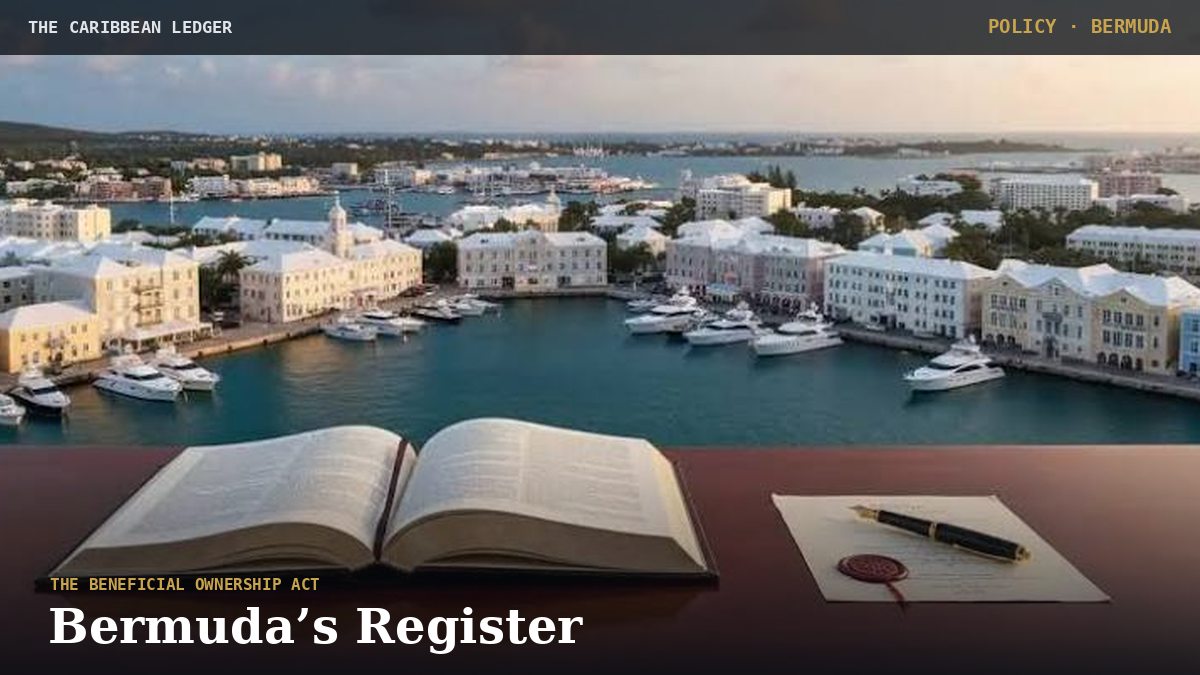
Bermuda spent the first week of October reinforcing the thing it actually sells, which is trust. Two moves, a new transparency law and a public warning from the regulator, landed within a day of each other, and together they show a jurisdiction that treats its reputation as its product and is willing to police it.
On October 5, the Government of Bermuda brought its Beneficial Ownership Amendment Act 2026 into force, together with an accompanying Exemption Order. The central register of who really owns Bermuda companies stays private, but the law opens a route for vetted, legitimate-interest access by journalists and researchers working against money laundering, subject to approval by the Registrar. The same package extends the window for companies to file ownership information from fourteen days to thirty, and is meant to bring the island into line with the standards of the Financial Action Task Force, the global body that sets anti-money-laundering norms.
The balance the law strikes is a careful one. Bermuda has long argued that privacy and transparency are not opposites, and that legitimate owners deserve confidentiality while bad actors deserve scrutiny. Opening the register to approved public-interest researchers, rather than to the entire world, is an attempt to satisfy international pressure for openness without abandoning the privacy that draws legitimate business in the first place. Whether that middle path holds will depend on how the registrar exercises the discretion the law hands it.
The second move was sharper edged. On October 6, the Bermuda Monetary Authority warned the public that a company calling itself Custody Life Bermuda Ltd was falsely claiming to be licensed by the authority and to hold a long-term, Class IILT insurance charter. The authority said plainly that the company is not registered under the Insurance Act 1978, and it placed the name on the BMA’s public warning list, the register it keeps of entities trading on a Bermuda licence they were never granted.
For a financial center, a false claim of licensing is not a nuisance. It is an attack on the brand. Bermuda’s standing as one of the world’s major reinsurance and insurance jurisdictions rests on the idea that a Bermuda license means something, that a regulated entity has cleared a real bar. A company trading on that reputation without having earned it damages every legitimate business that did. Naming the company publicly and placing it on the warning list is the regulator’s way of defending the value of its own stamp.
The two actions also speak to different audiences. The transparency law is addressed to governments and standard-setters abroad, the ones whose assessments determine whether Bermuda stays off the watch lists that can make a jurisdiction radioactive to international business. The public warning is addressed to savers and counterparties, the ones who might be tempted by an impressive-sounding name. A financial center has to satisfy both at once, because losing either the regulators’ confidence or the public’s trust is enough to do lasting damage to the franchise.
Taken together, the two moves describe a jurisdiction managing the same asset from two directions. The transparency law answers the critics who say offshore centers hide wrongdoing, by opening the register to vetted scrutiny. The public warning answers the opportunists who try to borrow the island’s credibility without submitting to its rules. Both protect the thing that makes Bermuda work, which is the belief, held by investors and counterparties around the world, that a name on a Bermuda register is one they can rely on.
Read more at The Caribbean Ledger ›