Washington Chokes Cuba's Fuel Supply as the Grid Buckles and the Peso Nears 800
A second US fuel seizure in a week deepens a blackout crisis that left the national grid short nearly 1,900 megawatts, while the informal dollar has climbed to 775 pesos.
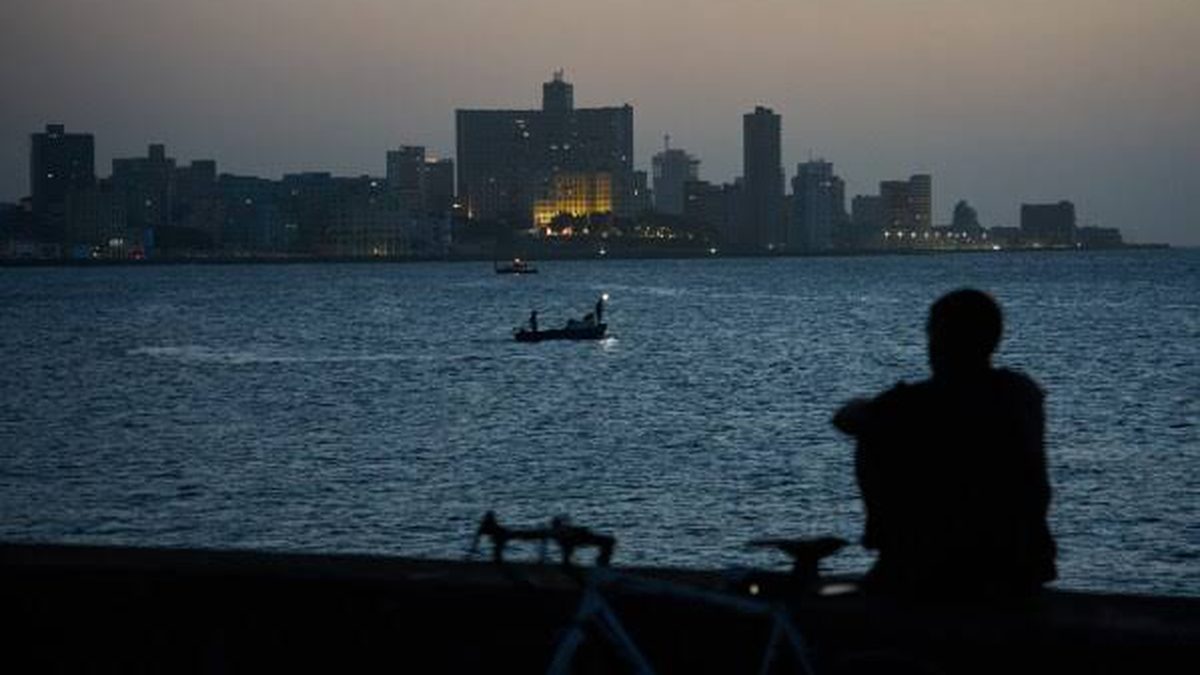
US authorities seized 90 shipments of biodiesel bound for Cuba worth close to US$3 million, Reuters reported on October 7, 2026, the second such announcement in a week and the latest turn in a campaign that is squeezing the island's already failing energy sector. In a report by Dave Sherwood, Reuters said more than 600,000 gallons of fuel were intercepted in Houston and at Port Everglades, Florida, before the vessels left US ports, according to the Department of Homeland Security.
The fuel was destined for Enetec, a Havana based, state owned company that Washington sanctioned earlier in 2026, Reuters reported. Separately, the US Coast Guard said late the previous week that it had stopped a large container ship in September carrying fuel for Cuba, a vessel it said had tried to evade the authorities by hiding fuel in its ballast tanks. The United States has not identified the exporters in either case.
"An effort of this magnitude to undermine US sanctions does not occur by accident," said Jose Figueroa, the Homeland Security Investigations special agent in charge in Miami, in remarks carried by Reuters. He warned that those who assist or profit from such shipments "should be on notice." President Donald Trump has said publicly that his aim is to topple the Cuban government. Havana has described the measures as "economic warfare," and Reuters noted that the United Nations has called the fuel blockade illegal.
A grid that cannot keep the lights on
The seizures land on a power system already in collapse. On October 5, 2026, the state electricity utility Union Electrica forecast that available generation would reach only 1,260 megawatts against peak demand of 3,150 megawatts, a shortfall of 1,890 megawatts, the Rio Times reported, citing utility bulletins carried by Cubadebate. The utility projected that it would be forced to cut about 1,920 megawatts at the evening peak, roughly three fifths of the country's demand.
The Rio Times, in a report by Iolanda Fonseca, said several thermal units were out of service, among them Felton 2 in Holguin and units 3 and 6 at the Rente plant in Santiago de Cuba, while others sat in maintenance. The outlet, drawing on the independent tracker CiberCuba, noted that Cuba had already suffered a nationwide grid collapse on September 18, 2026, the eighth of the year. Earlier daily load cuts had repeatedly topped 2,000 megawatts through late September, CiberCuba found.
A peso in free fall
The economic backdrop is just as grim. The independent outlet elToque, which compiles an informal market reference rate from classified ads and social media offers, reported on October 2, 2026 that the US dollar had settled at 770 Cuban pesos, up 10 pesos in a day, with the euro at 870 pesos. By the early hours of October 10, 2026, elToque's live table put the dollar at 775 pesos. The outlet stresses that its figures reflect advertised offers rather than completed transactions, and that the Cuban government has accused it of "speculative manipulation."
For ordinary Cubans the three crises compound one another. The fuel squeeze deepens the blackouts, the blackouts throttle production and water pumping, and the sinking peso erodes what wages can buy. Reuters reported that the blockade has worsened blackouts, water shortages and inflation, pushing the island toward what it described as a humanitarian crisis, even as Washington permits only small shipments to reach Cuba's private sector in an effort to undercut the state. There was no immediate comment from the Cuban government on the latest seizure, Reuters said.
Read more at The Caribbean Ledger ›