UEFA Moves to Prosecute FIFA's Infantino Over a Plan to Sell Off the World Cup
European football's governing body is preparing a criminal complaint in the Swiss courts against FIFA president Gianni Infantino over a failed plan to sell a stake in the World Cup to private investors. The fight over who owns the game reaches the Caribbean's doorstep.
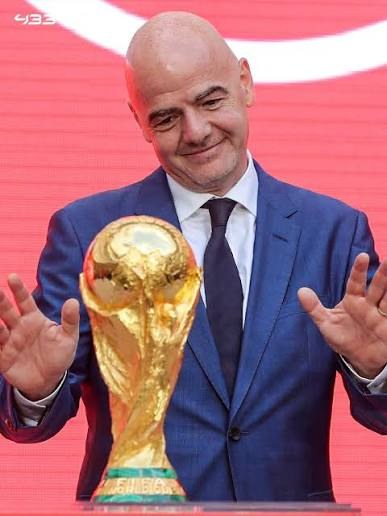
UEFA, the governing body of European football, said it is preparing a criminal complaint in the Swiss courts against the president of FIFA, Gianni Infantino, over his failed plan to sell a stake in the World Cup to private investors. UEFA has also asked courts in the United States to compel FIFA to hand over documents. Stripped of the legal language, the dispute is about the single most valuable event in sport, and whether a piece of it can be owned by outside capital.
This is the financialisation of football reaching its summit. Private capital has spent a decade buying into leagues, clubs and the rights to players themselves. A stake in the World Cup would be the trophy asset, the crown jewel of a game watched by billions. UEFA is framing the attempt as a governance breach, an effort to sign away a shared public good into private hands without the consent of the members who are supposed to own it together. Whoever prevails, the episode confirms a truth the sport has been circling for years. Global sport is now an asset class, and the people who run it and the people who own it are no longer the same.
The Caribbean has a direct stake in this, and not only because the 2026 World Cup is being played on its doorstep across North America. Caribbean football, Jamaica, Trinidad and Tobago, Haiti, Curacao and the rest, lives inside the same FIFA system, and FIFA's money, the development grants that build pitches and fund federations across the region, flows from the very revenues now being fought over. When a global body begins selling pieces of its crown jewel to investors, the smallest members are the ones with the least say over where the money ends up and the most to lose if the game's wealth is quietly captured. The Caribbean should watch this as a question about power and money, not merely about football.
Read more at The Caribbean Ledger ›