The Roti Belt: How an Indian Bread Became Caribbean
Indentured laborers brought the recipe across an ocean. Trinidad, Guyana and the southern Caribbean made it their own, and a national obsession.
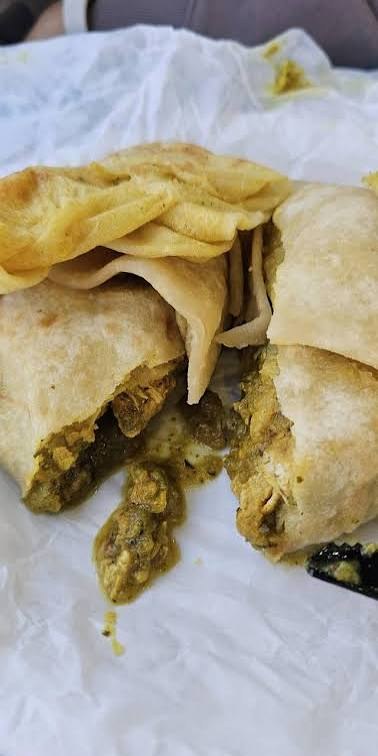
When indentured laborers arrived from India in the nineteenth century to work the cane fields after emancipation, they brought the dhalpuri and the paratha with them. In Trinidad, Guyana, Suriname and the southern Caribbean, those breads met local curries and a new appetite, and roti became a Caribbean institution.
The dhalpuri, stuffed with ground split peas and wrapped around curried chicken, goat, duck or channa and potato, is now Trinidadian street food at its most serious, argued over with the passion others reserve for religion. Guyana runs it a close and proud second.
The roti belt is a map of the region's Indian heritage, drawn in food. It is a reminder that Caribbean cuisine is a record of everyone who arrived, and that some of the most Caribbean things on the table began on the other side of an ocean.
Read more at The Caribbean Ledger ›