The Flights Home, and the Bill Haiti Cannot Pay
With Temporary Protected Status ended, deportation flights to Haiti have resumed. The question the numbers force is whether the country, and the remittances that keep it standing, can absorb the return.
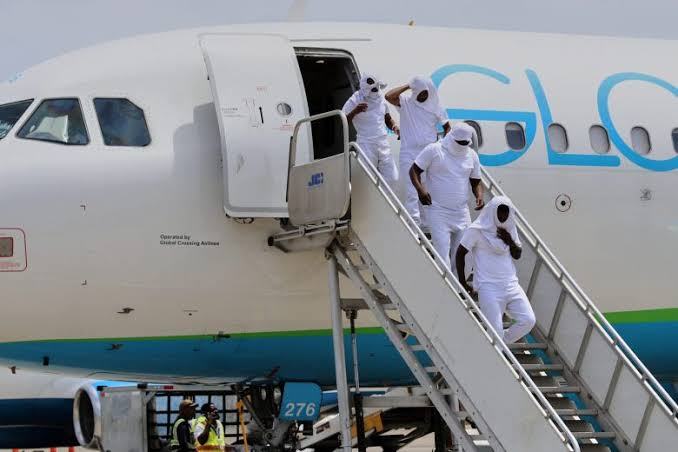
The first ICE deportation flight to Haiti since the end of Temporary Protected Status landed in Cap-Haitien this week, part of a crackdown that follows the formal termination of the status that had shielded roughly 300,000 Haitians in the United States. A court confirmed the protections are no longer in place, and reporting put more than 160 people on the recent removals.
What TPS was holding up
The status did two things at once. It kept people from being sent back to a country the United States itself had warned Americans not to visit, and it let them work legally, which meant it let them send money home. That second function is the one with a number attached, because remittances are not charity in Haiti. They are the economy.
Money sent home by Haitians abroad runs to a fifth or more of the country's output, one of the highest ratios in the world. Much of it comes from the United States, and much of that from people whose ability to earn depended on the very status that has now lapsed. Take away the work permit and you do not only change one family's fortunes. You thin the single largest inflow the Haitian economy has.
A return into a crisis
The people stepping off these flights are returning to a country still gripped by gang violence and governed by a fragile transitional authority, the same conditions the Ledger has covered as Haiti prepares for its first elections in a decade. A wave of returnees arriving with no work, into a place with little to offer them, is a humanitarian strain and an economic one at the same time.
Why the whole region is watching
This is not only a Haitian story. Across the Caribbean, hundreds of thousands of people live in the United States on statuses that can be reviewed, and the diaspora that sends money to Jamaica, to the Dominican Republic and to the Eastern Caribbean is reading Haiti's experience as a warning about how quickly the ground can shift. The remittance flows that several Caribbean economies count on more than any export are, in the end, a policy decision made in Washington. The Ledger will follow the flights, and the money, because in this region the two move together.
Read more at The Caribbean Ledger ›