A 12-month compact asks whether Haiti can reform amid the gunfire
The World Bank and Port-au-Prince unveil a reform framework with 14 commitments and hard deadlines, a bet that measurable governance gains are possible even as security forces battle gangs for control.
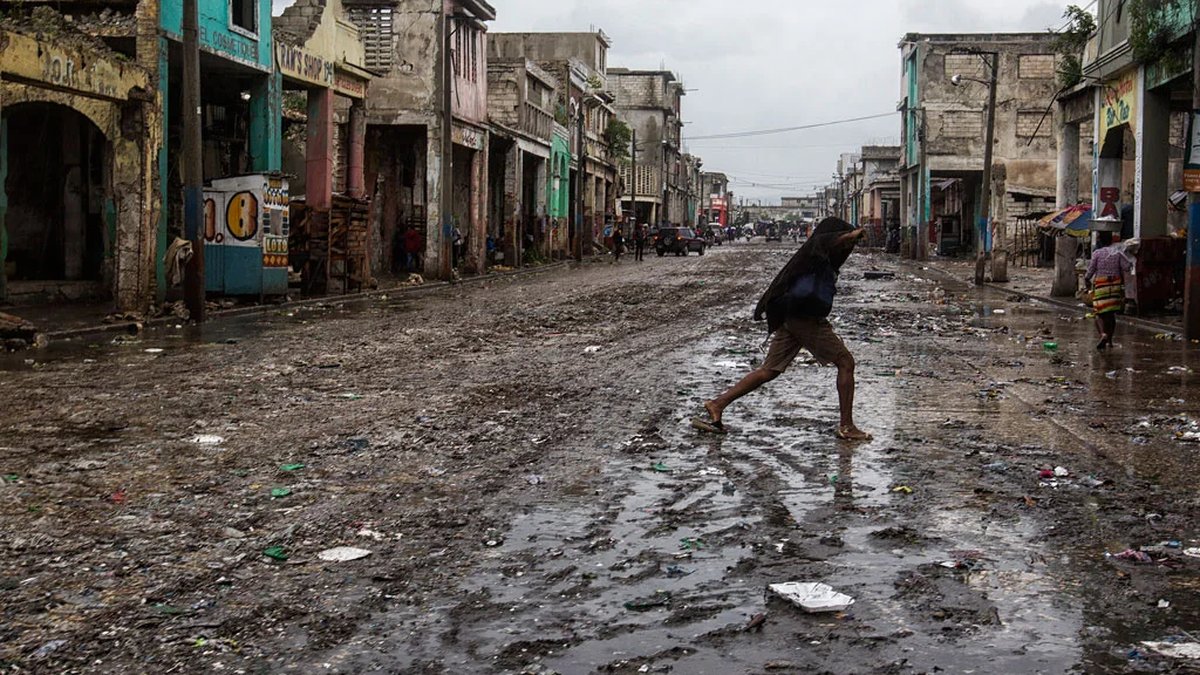
PORT-AU-PRINCE. Haiti and the World Bank have set out a 12-month reform framework intended to pull the country back toward stability, a plan that is as notable for its ambition as for the extraordinary conditions in which it must be carried out. The framework, reported by the Jamaica Observer on November 8, 2026, is called the Compact for Prevention and Recovery, and it commits the Haitian government to 14 specific reforms over a single year.
The Compact organizes those commitments under four priorities: justice and security, governance and anti-corruption, economic stability and taxation, and sustainable employment and investment. The World Bank says the framework was developed jointly by the Haitian government and international partners, and that it is designed to strengthen governance, restore public confidence, and address the root causes of the violence and instability that have gripped the country.
Deadlines, not declarations
What distinguishes the Compact from the long record of plans for Haiti is its insistence on measurement. Progress is to be assessed in two formal reviews, the first scheduled for April 2027, six months into the year. Only if that review finds satisfactory progress will the World Bank consider additional financing and a longer framework covering three further years.
The initiative is to involve the International Monetary Fund, the Organization of American States, and several United Nations agencies, binding Haiti's major external partners to a common scorecard.
Haiti's Minister of Economy and Finance, Serge Gabriel Colin, framed the Compact as a shift from intention to execution. He said it turns the government's recovery roadmap into a concrete action plan with clear targets and deadlines, adding: our focus is clear, concrete action, measurable progress and results when Haiti needs them most. Anne-Lucie Lefebvre, the World Bank's Country Manager for Haiti, welcomed the government's commitment and described the reforms as key to restoring public trust and enabling a sustainable recovery.

The condition the plan cannot ignore
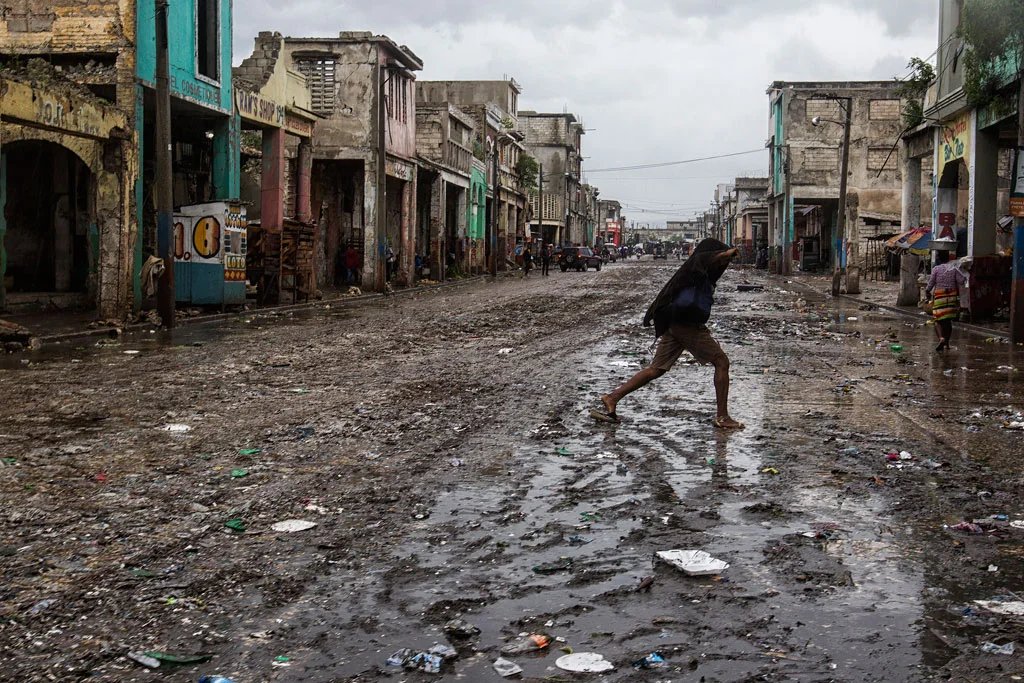
The framework arrives while Haiti's security forces, backed by an international mission, continue intensified operations against the armed gangs that control large parts of the capital and major transit routes. That context is the central fact around which every reform must bend. It is difficult to collect taxes, deliver justice, or attract investment in territory where the state's writ does not run, and the Compact's four priorities implicitly acknowledge that security and governance cannot be separated.
Justice and security sit first on the list for a reason.
This sequencing is also the plan's greatest vulnerability. Reforms to taxation and anti-corruption are achievable on paper, but their delivery depends on a degree of state control that the anti-gang campaign has not yet secured. A 12-month clock is short for institution-building in the calmest of conditions, and Haiti's are not calm.
The April 2027 review will be the first honest test of whether commitments made in a planning document can survive contact with the realities of a country still fighting for control of its own streets.
The security backdrop is not incidental to the plan but the force that will make or break it. The reform year unfolds alongside an internationally backed campaign against the armed groups that have held much of Port-au-Prince, and multilateral lenders have chosen to stay engaged through the turmoil rather than withdraw. The International Monetary Fund has kept Haiti inside a monitored program, extending its reform path, and the World Bank has built its support around partnership rather than open-ended aid, the same discipline the Compact now formalizes with deadlines and a review.
Why the structure matters
For all those hazards, the design of the Compact reflects lessons learned from years of disappointment. Haiti has not lacked for international plans, pledges, or goodwill. It has lacked follow-through, and a record of money and intentions that dissolved without measurable result.
By front-loading specific commitments, attaching deadlines, tying future financing to a review, and aligning the IMF, the OAS, and the UN behind the same targets, the framework is built to make failure visible and progress verifiable. That is a meaningful change from open-ended support with no scorecard.
It also fits a broader pattern of cautious re-engagement with Haiti by multilateral institutions, which have maintained programs through the crisis rather than abandoning the country. The IMF has kept Haiti within a monitored program, and the World Bank has structured its support around partnership rather than open-ended aid. The Compact extends that logic into a disciplined, time-bound bet.
Whether the bet pays off will not be clear for months, and the honest assessment is that the obstacles are formidable. A plan cannot disarm a gang or rebuild a courthouse by itself. But a plan with deadlines, external partners, and a public review is a better instrument than the vaguer efforts that preceded it, and for a country that has endured so much, a framework that makes its own progress measurable is at least a foundation worth testing.
The first verdict comes in April. Until then, the Compact is a promise, and Haiti has heard promises before.
Read more at The Caribbean Ledger ›