Caribbean boat strikes land on the House floor in Hegseth impeachment
Eight articles of impeachment against the United States defense secretary place the killing of more than 200 people at sea, including a strike in the waters off Trinidad, at the center of a Washington showdown.
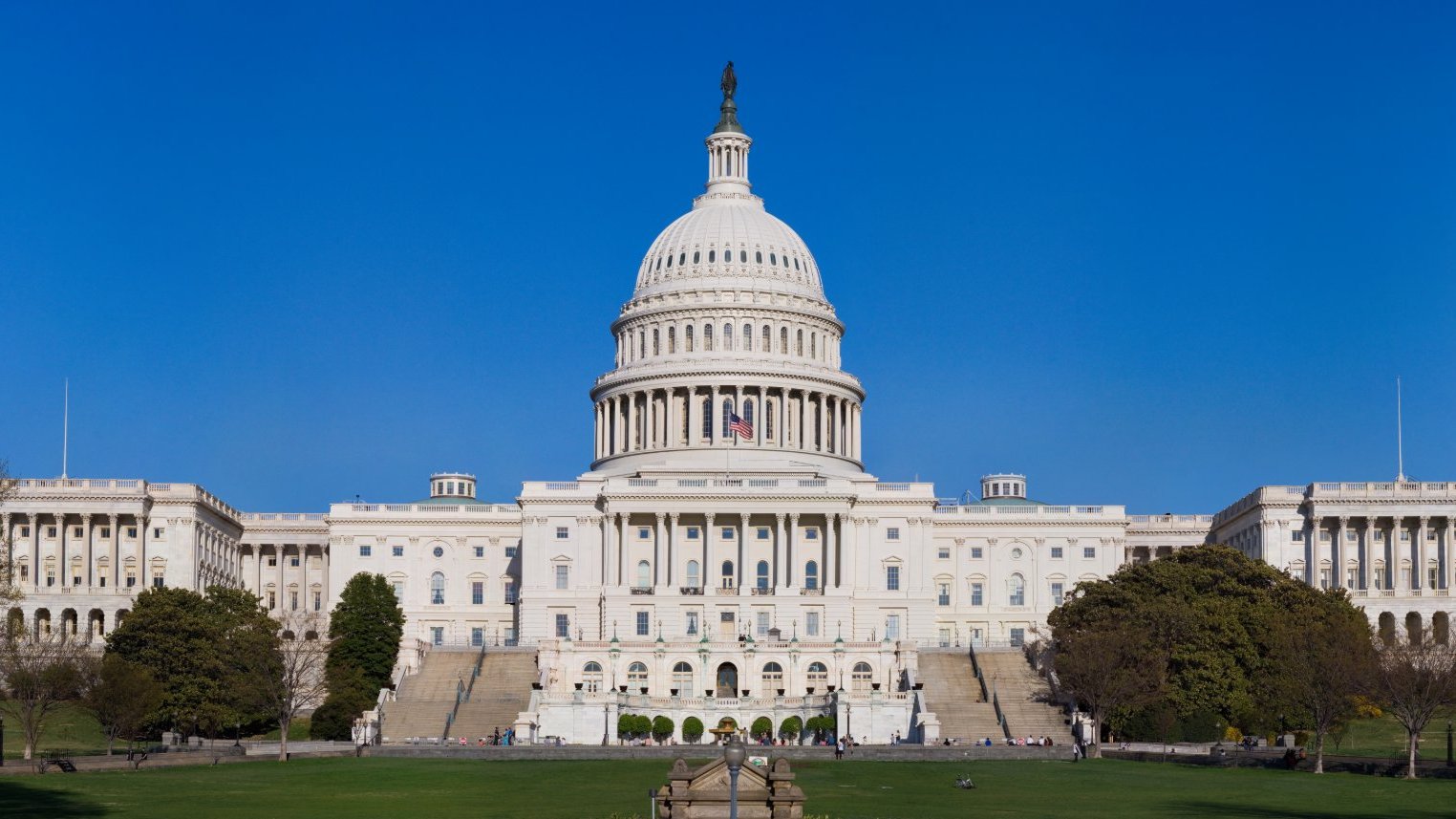
WASHINGTON. The lethal campaign the United States has waged against vessels in the Caribbean Sea has reached the floor of the House of Representatives. On Monday, November 9, 2026, Republican Representative Thomas Massie introduced eight articles of impeachment against Defense Secretary Pete Hegseth, and two of them turn on actions in waters the Caribbean knows intimately.
According to reporting by CNBC and Al Jazeera on November 9 and 10, the articles span several theaters. Four concern Iran, including the claim that Hegseth waged war without congressional approval and bears responsibility for a strike on a school in Minab that the resolution says killed 156 civilians, most of them children. One concerns a 2025 bombing campaign in Yemen.
One accuses Hegseth of trying to subject lawmakers to Pentagon discretion after he labeled several Democrats seditious. The two that matter most to this region concern Venezuela: one covering the January abduction of Nicolas Maduro, which the articles describe as an act of war aimed at controlling Venezuela's oil, and one covering the boat strikes.

The numbers at the heart of the case
The boat-strike article alleges that United States forces carried out at least 69 strikes since September 2025, killing at least 243 people, most in international waters. It further alleges that Hegseth denied quarter to shipwrecked people who posed no threat and then struck them a second time, the so-called double-tap allegation that has drawn the sharpest condemnation from legal scholars. The Trinidad Express, reporting on the Caribbean dimension, noted that the resolution characterizes the strikes as amounting to 221 summary executions.
For readers in this region, the detail that brings the case home is geography. The first strike in the campaign, on September 2, 2025, killed 11 men in the waters between the coast of Venezuela and Trinidad and Tobago, as the Express has reported, with the dead believed to have come from San Juan de Unare, a fishing community in Venezuela's Sucre state roughly 65 miles from Trinidad's northern coast. The sea where that strike occurred is not distant abstraction to Trinidadians.
It is the channel their own fishermen work.
A divided response, at home and abroad
Massie laid out his case on the House floor in blunt terms. Hegseth should not carry out illegal orders, and that's why we're impeaching him, he said, arguing that the War Powers Resolution of 1973 required congressional approval for the military actions. On the Minab strike he said there's no fog of war on the first day, and on the Maduro operation he said it was to kidnap a foreign leader so we could take their oil.

Hegseth was unsparing in return. It's a farce, and it's a stunt, he said, adding that if they want to come after the warriors, they're going to have to come through me. President Donald Trump called Massie a stone-cold loser and vowed to stand by his defense secretary.
House Democratic leader Hakeem Jeffries declared himself a hard yes, and Senate Democratic leader Chuck Schumer said Hegseth must stand trial before the Senate.
The regional politics are more complicated than a simple condemnation. Trinidad and Tobago Prime Minister Kamla Persad-Bissessar welcomed the United States action after the September 2 strike and has called for drug traffickers to be violently killed. A legal opinion prepared for her government by British King's Counsel Harish Salve reportedly held that the strikes were justified as self-defense, and officials have maintained the country was not involved in the Maduro extraction or the strikes themselves.
A Caribbean leader, in other words, has been among the operation's defenders even as the operation becomes grounds for impeaching the man who directs it.
What impeachment would, and would not, do
The arithmetic tempers the drama. Republicans control the House until January 3, so if nearly all Democrats vote yes, Massie would need only a handful of Republicans to send the articles forward, and the resolution began a two-day countdown that could produce a House vote by midweek. Removal is another matter.
Conviction in the Senate requires a two-thirds majority, 67 votes, and with Republicans holding 53 seats and Democrats expected to control roughly 54 in the next Congress, the numbers for removal are not close.
That gap between a possible House rebuke and an impossible Senate conviction is the real shape of this story. An impeachment that cannot end in removal is a political instrument, a way of forcing a formal congressional judgment on conduct the executive insists is lawful. For the Caribbean, the significance is less about whether Hegseth keeps his job and more about the precedent being argued over in Washington: whether a superpower may kill people in this region's waters, by the hundreds, without the checks its own constitution is said to require.
The vote, whatever its outcome, will put that question on the record. The sea it concerns remains very much the Caribbean's own, and the region has every reason to watch how the United States answers for what happens there.
Read more at The Caribbean Ledger ›